
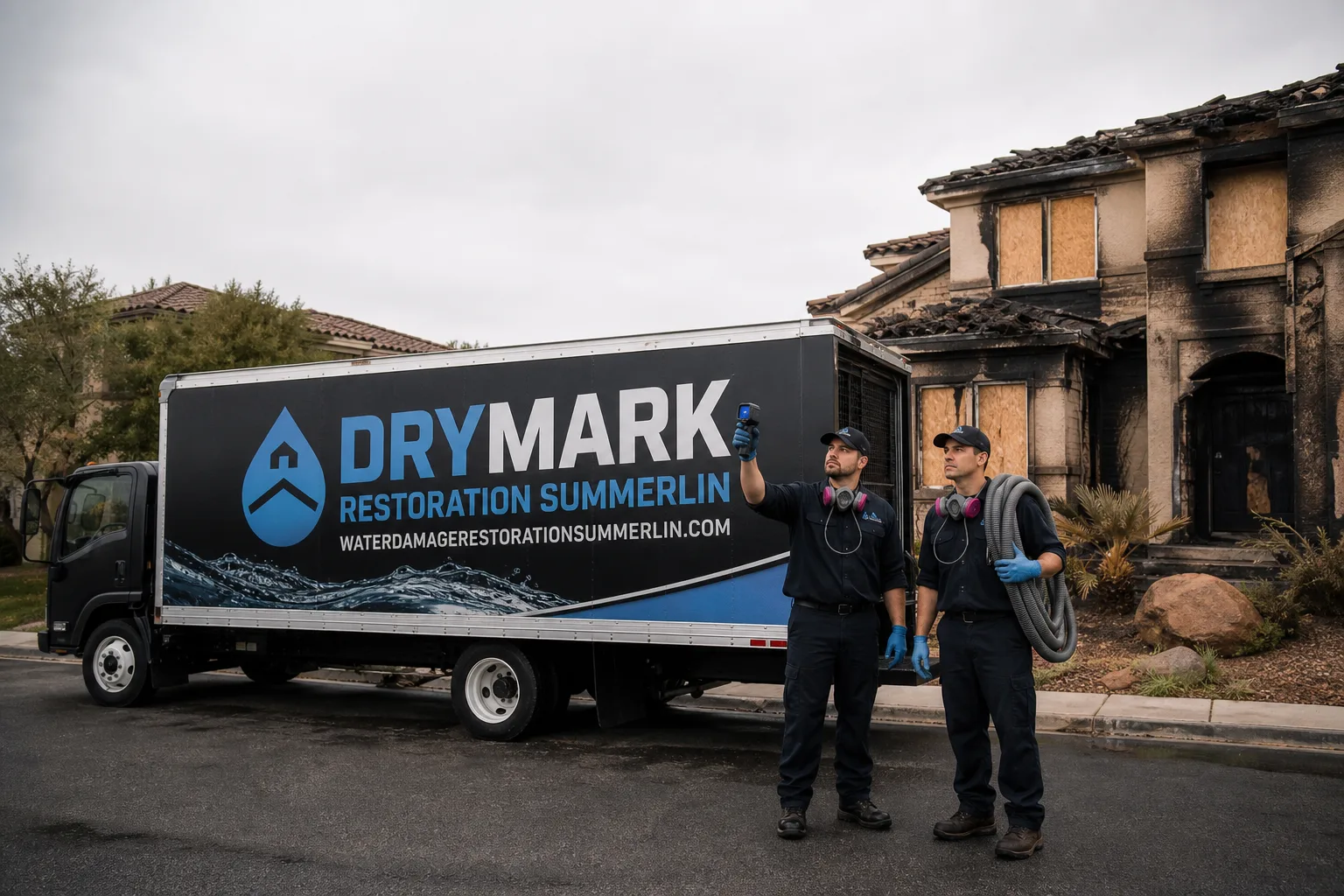
Free visual inspection and a written scope of work before any mitigation begins - photos, moisture readings, and drying logs go in your claim file
The scope we write is the scope we bill. Anything new gets shown to you, in writing, before we touch it.
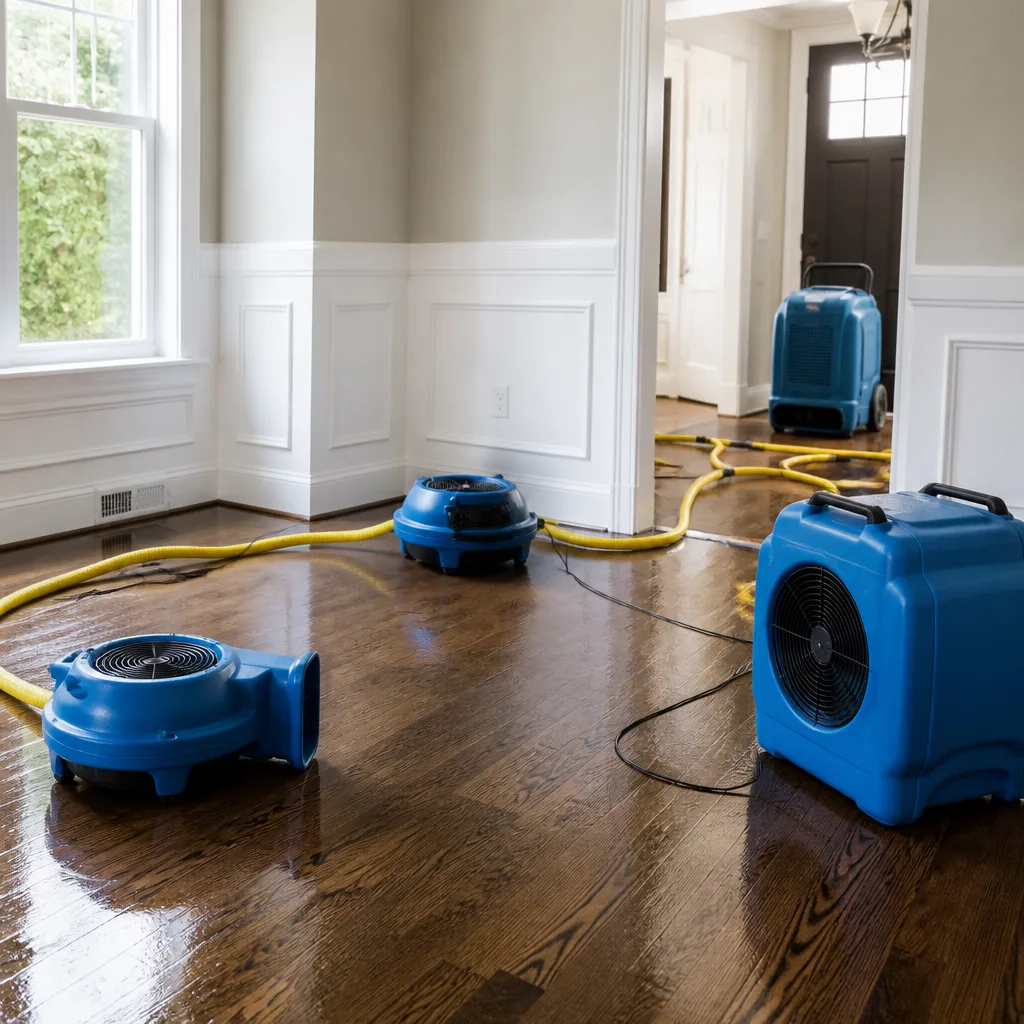
 Before
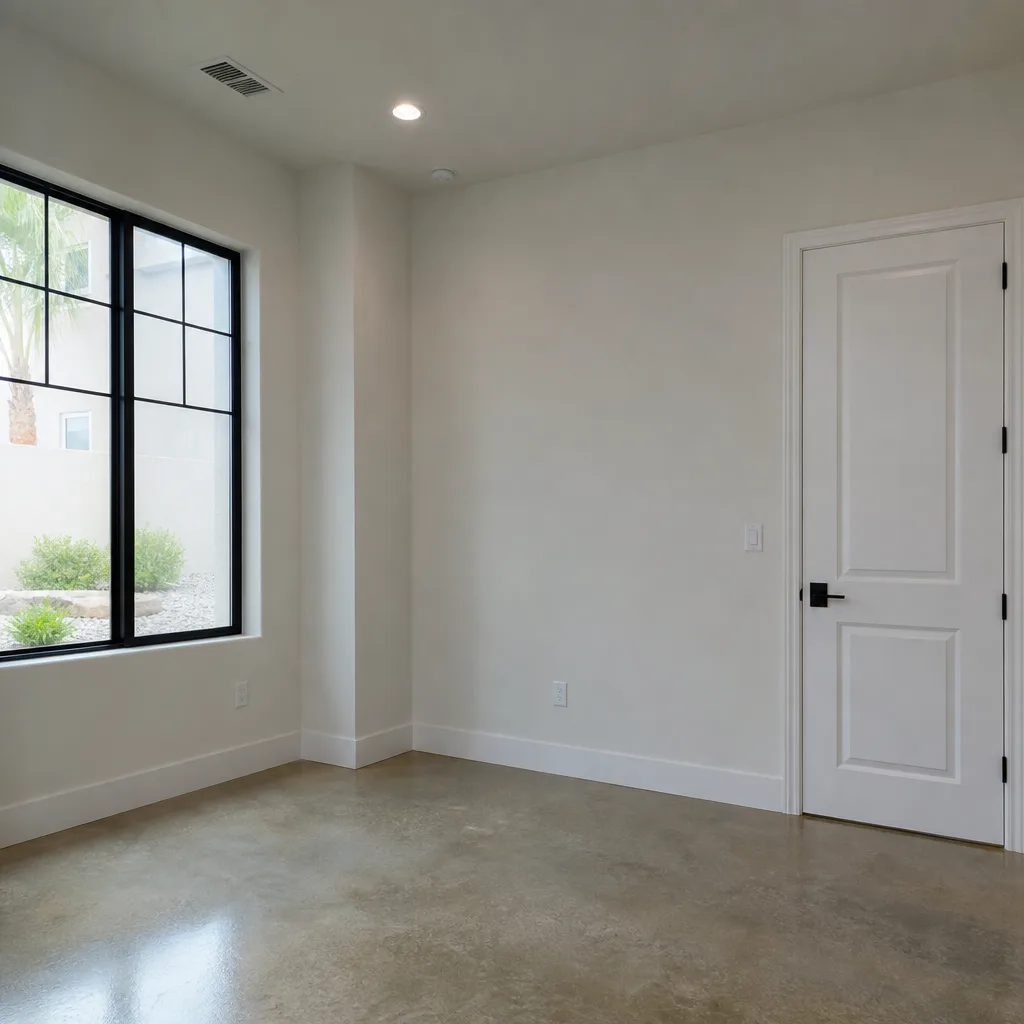 After
After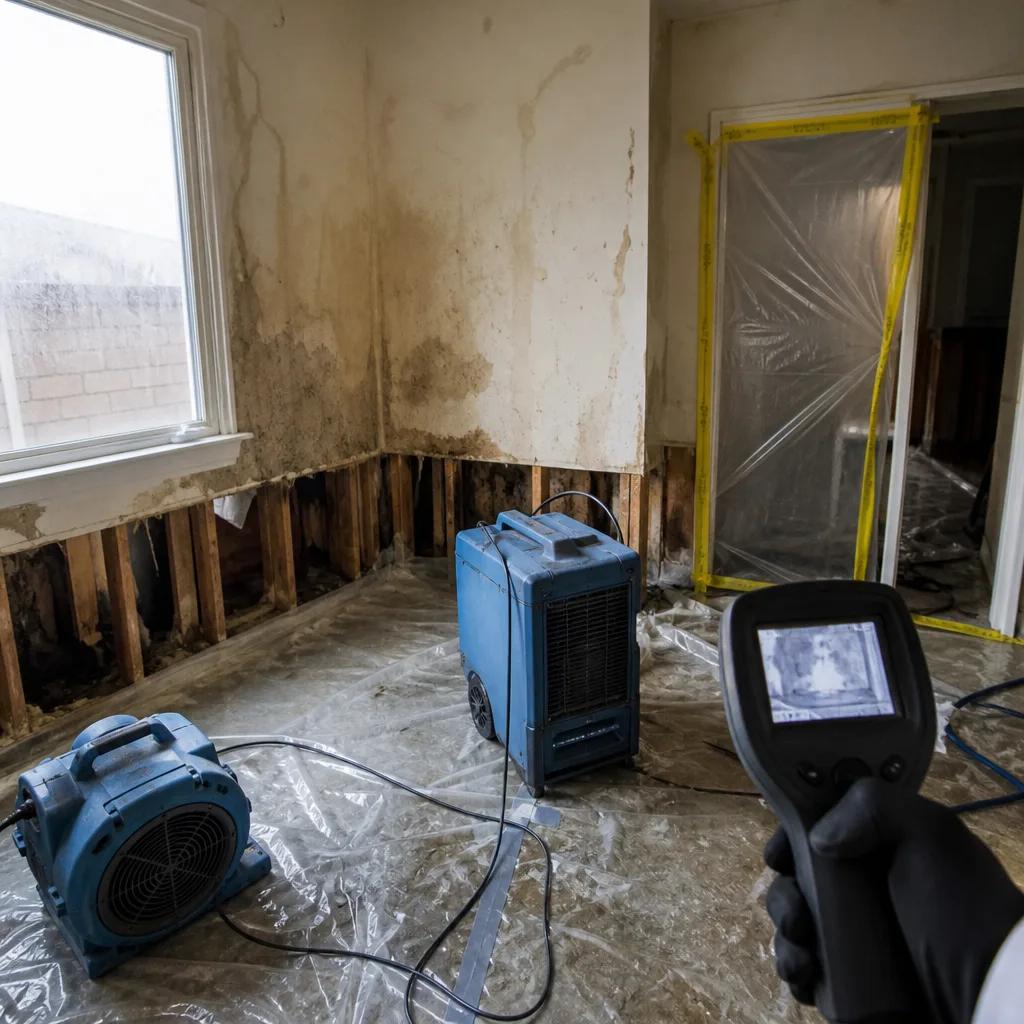 Before
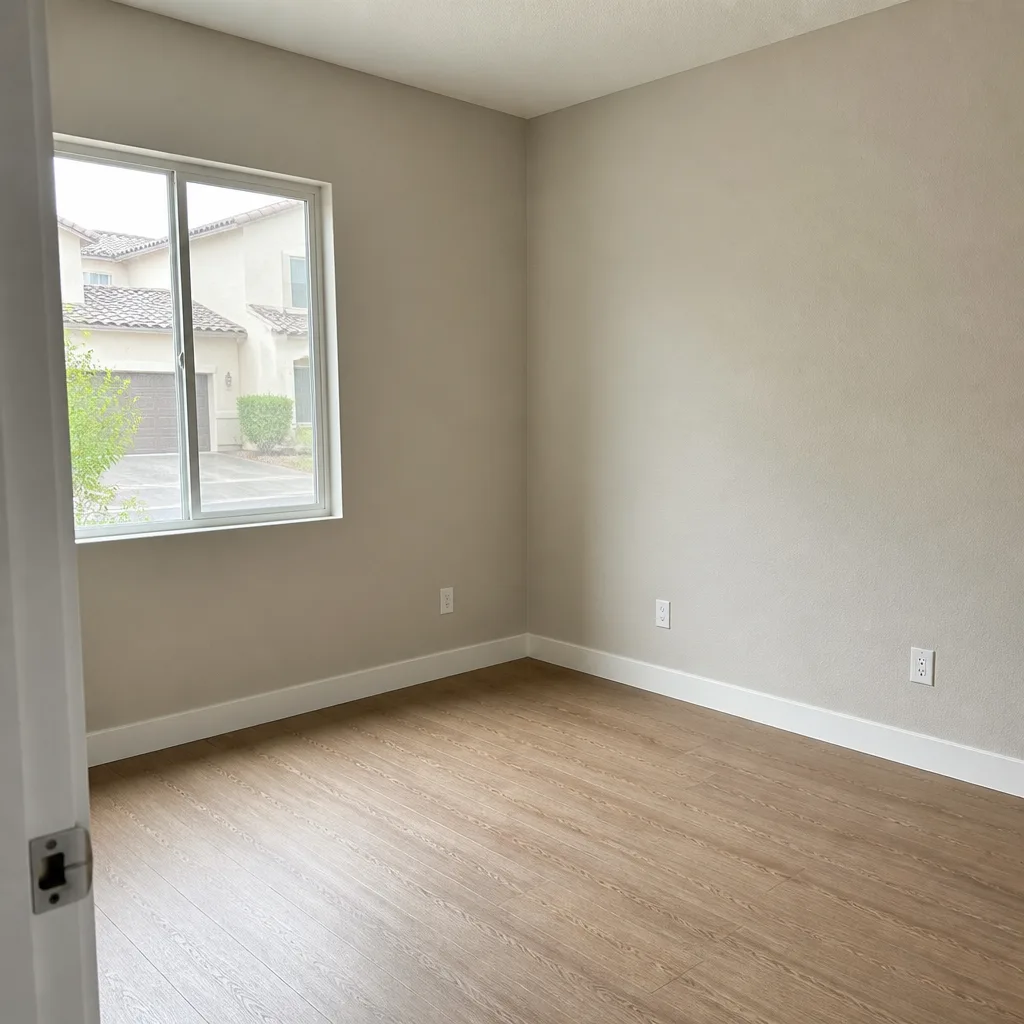 After
After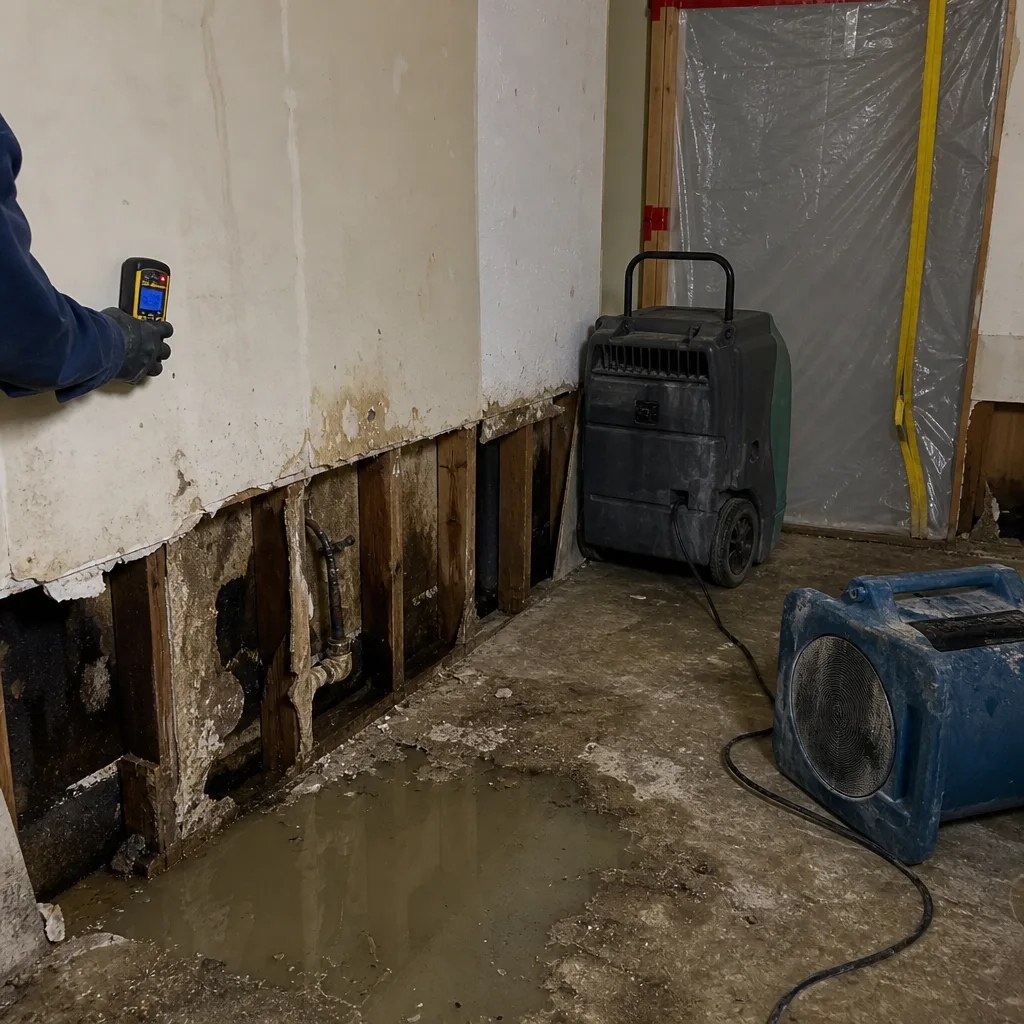 Before
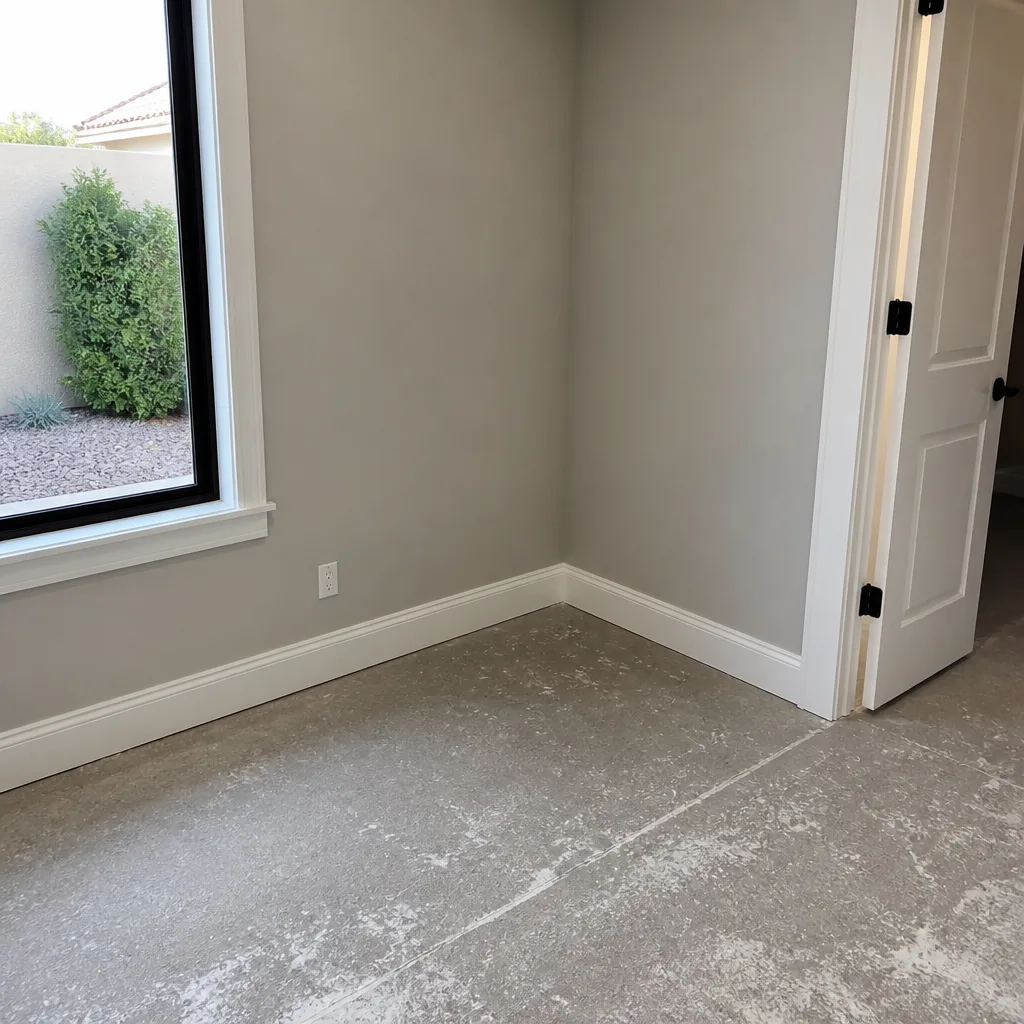 After
AfterFast, Reliable Fire & Smoke Damage Restoration Across Nellis AFB
Fire and smoke damage restoration on Nellis AFB typically costs $3,800-$12,500 for residential units, with emergency board-up and tarping starting at $850-$1,400 and full smoke and soot remediation running $2,200-$6,800 depending on square footage and HVAC involvement. Our crews carry pre-cleared base-access credentials, so we don’t lose the critical first 24 hours at the security gate while soot acids etch into cabinetry and drywall. Call (725) 216-2692 - a live person answers, 24 hours a day, 7 days a week, and we deliver a written price before any work begins, Haven Standard, Clause 1.
We’ve restored fire and smoke damage across the base’s ranch-style housing blocks, from the 1950s-era units near the main loop to the 1980s and 1990s build batches closer to the flight line. Dispatch and scheduling are coordinated from our Las Vegas office, but crews serve Nellis AFB locally with equipment staged for immediate deployment. The Mojave Desert heat that bakes the tarmac at 130°F+ in July also accelerates corrosion inside fire-damaged wall cavities - speed matters here in ways it doesn’t in cooler climates, and our documentation-first approach means every moisture reading, every photo, every drying log is recorded to IICRC and RIA standards before the housing office ever reviews the scope.
Why DryMark Restoration Summerlin Is Nellis AFB’s Preferred Fire & Smoke Damage Restoration Company
Our reputation on Nellis AFB was built one housing-office approval at a time. We’ve completed fire and smoke restoration in dozens of base units since 2011, and our 12,000+ home restoration record includes the documentation that turns military housing claims into paid invoices - not disputed line items. Residents find us because three-star reviewers mention the same thing: we showed them the photo record, we explained the moisture map, and we didn’t start until the written price was signed.
Response time to Nellis AFB runs 45-90 minutes from initial call to crew arrival at the unit, but only for contractors who’ve already cleared base-access credentialing. Techs without credentials wait at the gate for security screening that can stretch hours - by which time soot has bonded to kitchen cabinets and bathroom fixtures. Our technicians are background-checked, uniformed, and named on every work order, with license numbers documented for housing office review.
We know the base’s build-era patterns because we’ve documented them. A ranch-style unit from the 1970s off the main base loop shares the same original HVAC returns, the same flat-roof membrane, the same slab-on-grade construction as its neighbor two streets over. When fire pushes soot through that system, we don’t just treat the visible damage - we anticipate where the identical failure will propagate, because we’ve already mapped it in the adjacent block.
Our Fire & Smoke Damage Restoration Services in Nellis AFB
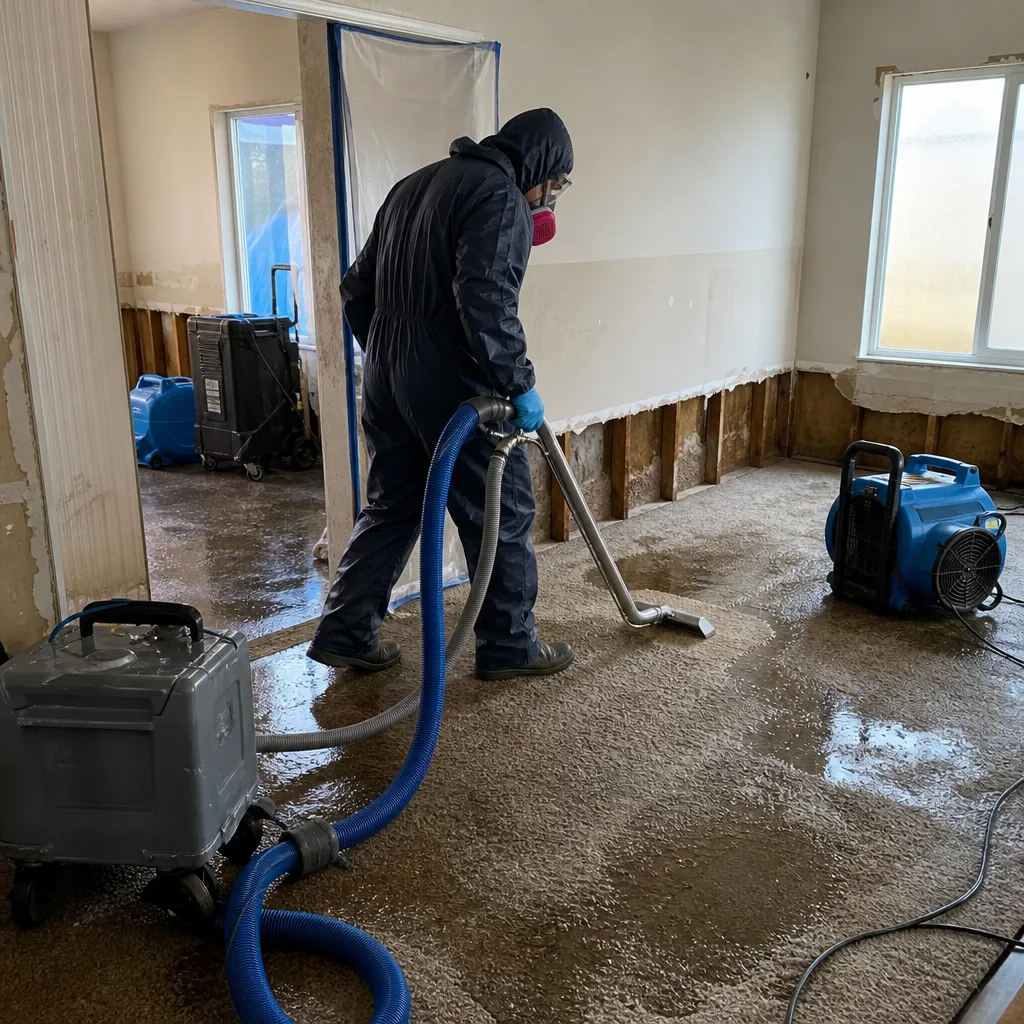
Fire Damage Cleanup
Fire damage cleanup in Nellis AFB housing starts with structural assessment and debris removal, but the real work is documentation. We photograph every affected surface before touching anything - charred framing, heat-blistered paint, compromised electrical runs - because the housing office, not the resident, approves the scope. Our crews use professional-grade extraction and cleaning systems from Dri-Eaz and Phoenix, with daily moisture logs recorded to IICRC standards. In the 1950s-1990s build clusters that dominate Nellis AFB, we often find fire has exposed pre-existing infrastructure failures: corroded drain lines, cracked condensate pans, deteriorated roof membranes. We document these separately so the housing office can route structural repairs through their maintenance channel while we handle the fire-specific mitigation.
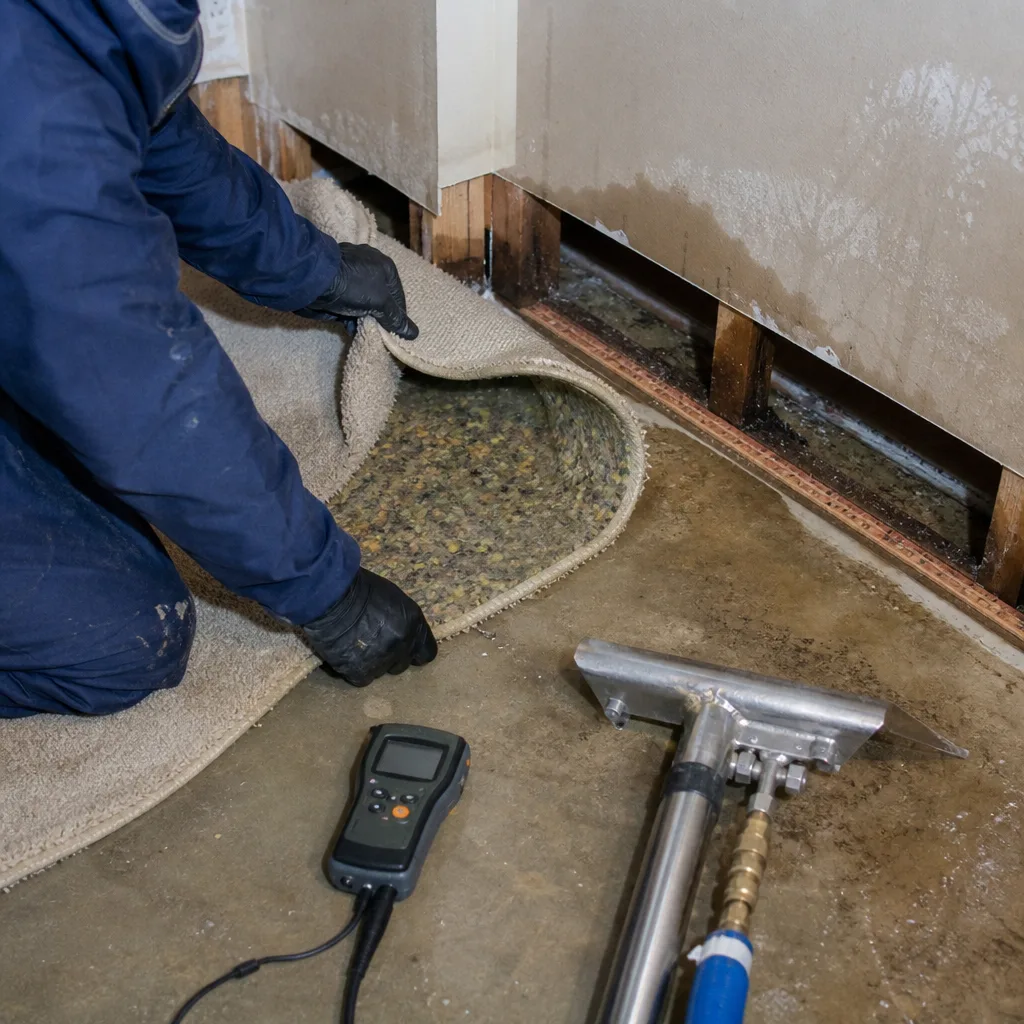
Smoke & Soot Removal
Smoke and soot removal is where most Nellis AFB fire jobs actually live - kitchen fires are the majority call, and the base’s original HVAC systems are remarkably efficient at distributing acidic soot through every room. Soot is acidic within hours; left 48 hours, it etches permanently into painted surfaces, countertops, and the plastic housings of base-issue appliances. Our techs use HEPA vacuuming, chemical sponging, and thermal fogging specific to the protein-based residues common in kitchen fires, with air scrubbers running continuous negative pressure to prevent cross-contamination. We pay particular attention to the return-air pathways in these older ranch units - the same duct runs that connect adjacent units in some build eras, meaning one kitchen fire can deposit soot in a neighbor’s living room before anyone smells smoke.
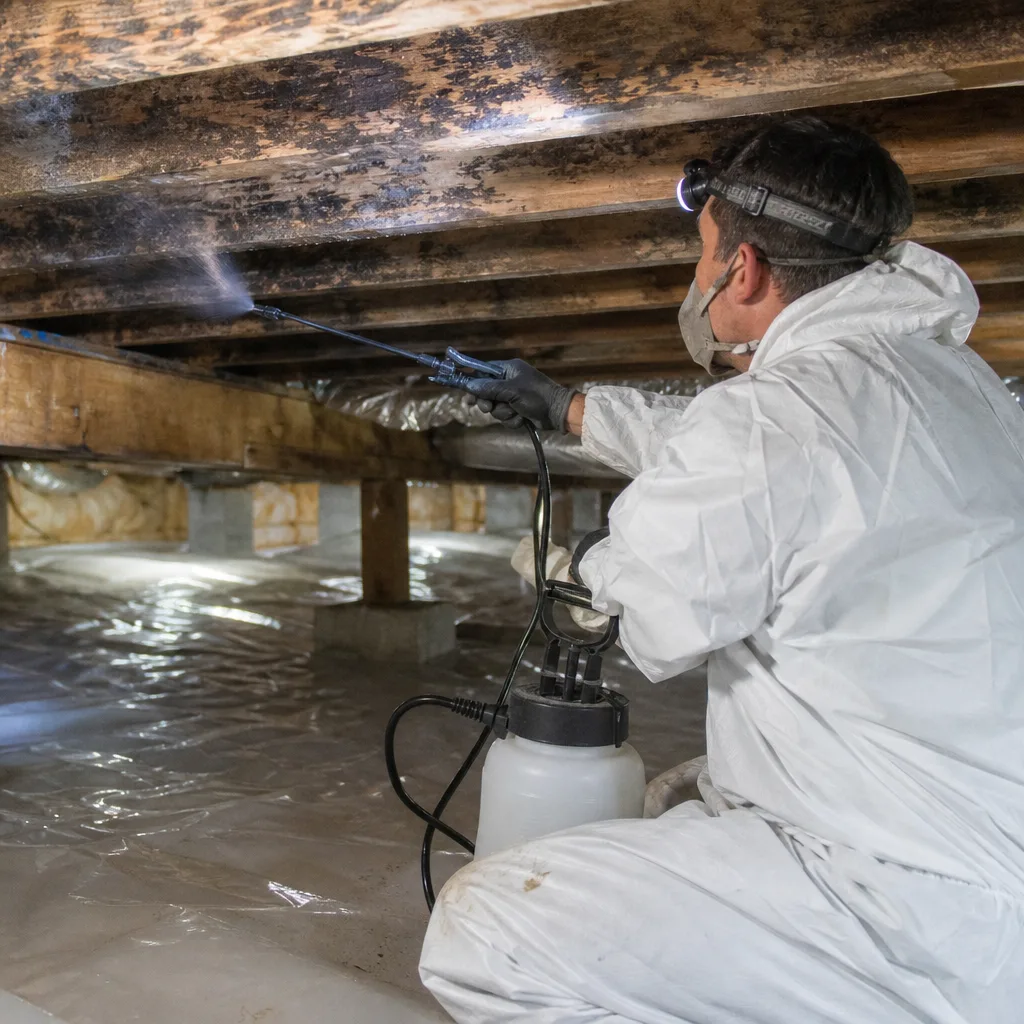
Odor Removal & Deodorization
Odor removal on Nellis AFB requires more than masking. The extreme desert heat accelerates off-gassing from fire-damaged materials, so a unit that smells manageable at 8 AM can be overwhelming by 2 PM when temperatures spike. We deploy ozone generators, hydroxyl machines, and thermal fogging in sequence, with psychrometric data - temperature, relative humidity, vapor pressure differential - recorded before and after each phase. Vapor pressure differential measures how aggressively moisture (and the odor molecules it carries) is pushing out of wet materials into the air; we explain this number in plain terms on every drying log so the housing office understands why we’re running equipment an extra day. In base housing, where residents may be reassigned before deodorization completes, we also document contents inventory with odor severity ratings for the pack-out record.
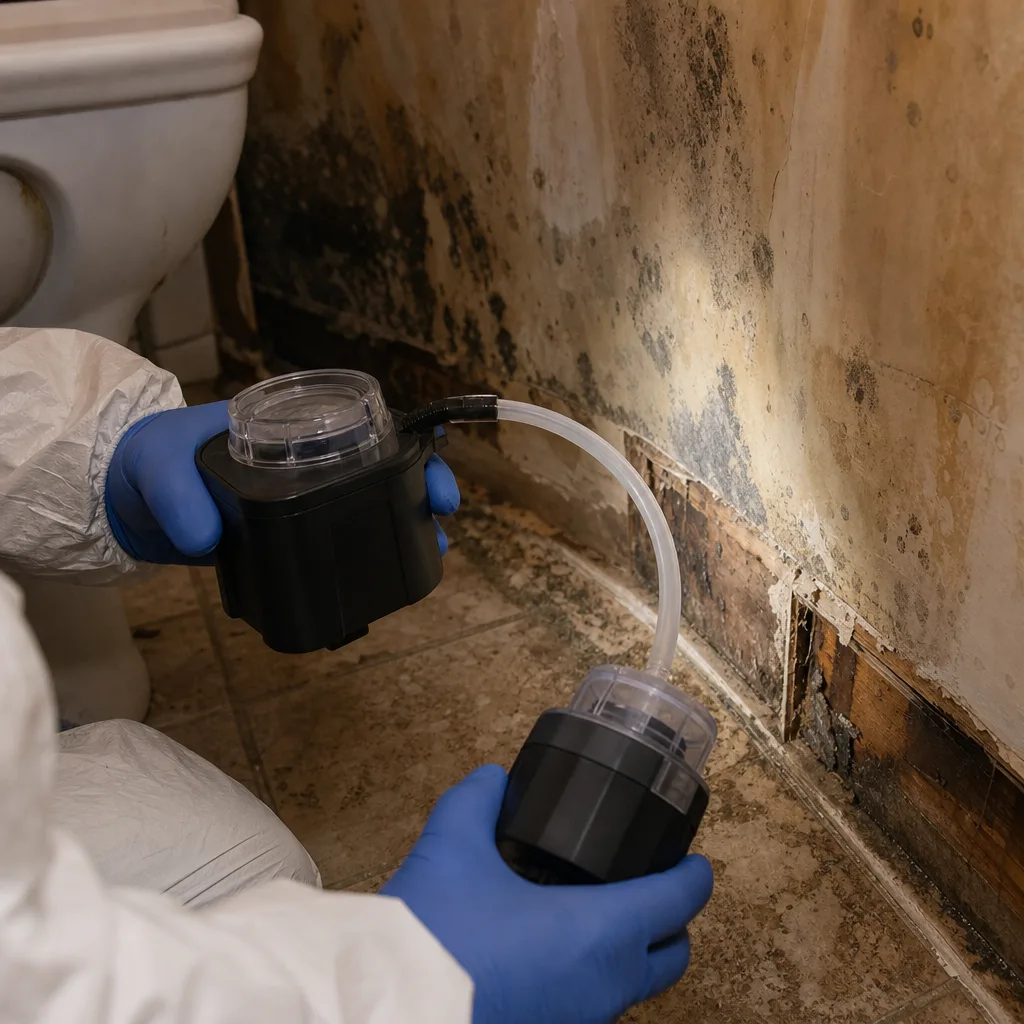
Emergency Board-Up & Tarping
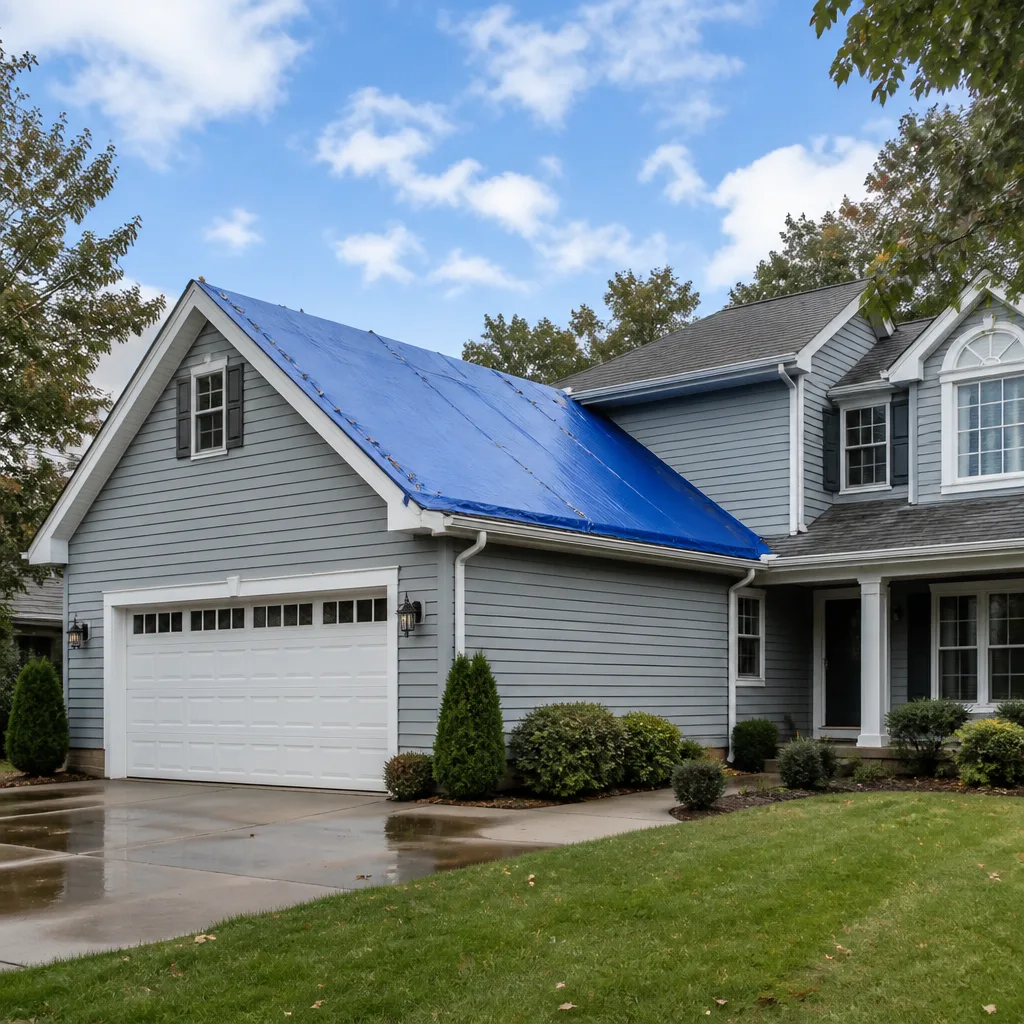
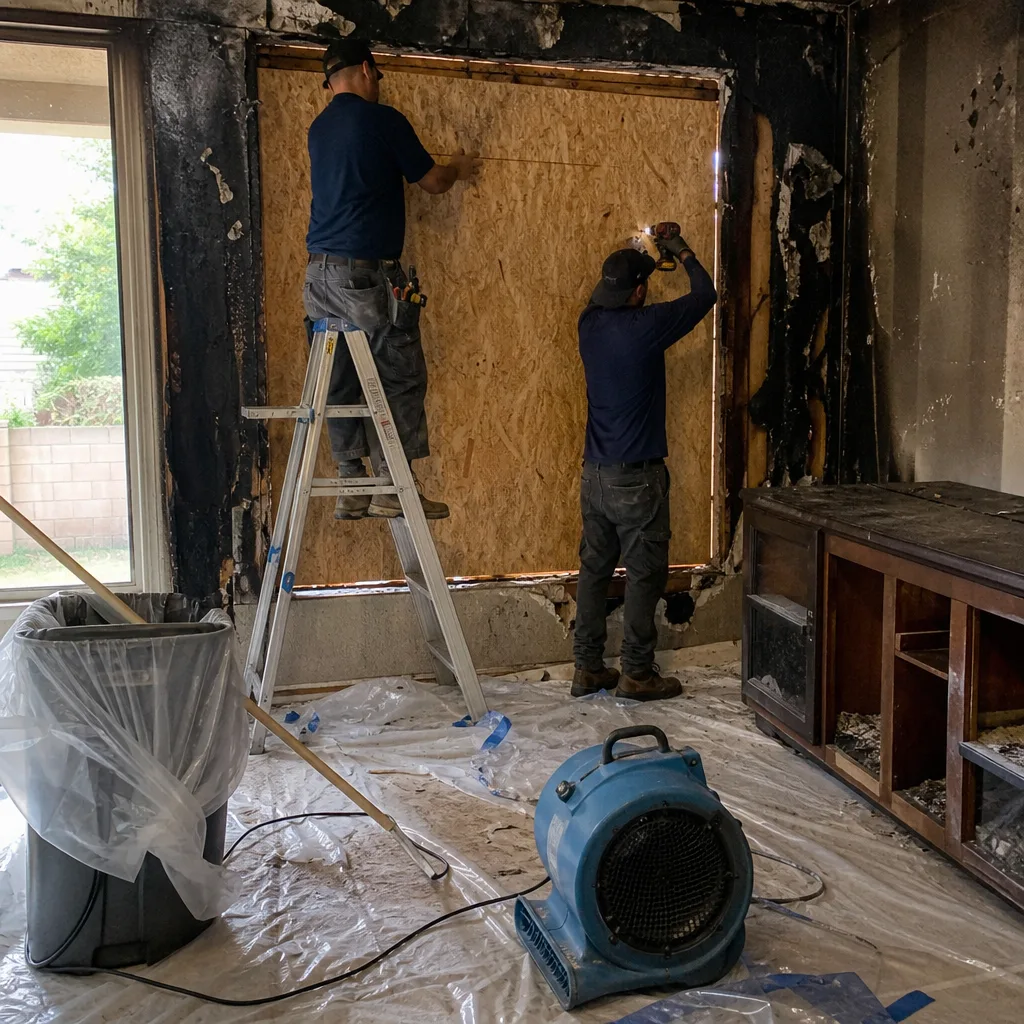
Emergency board-up and tarping on Nellis AFB must be coordinated through Balfour Beatty Communities, not the individual resident - a critical distinction from civilian Las Vegas jobs. We maintain pre-established communication protocols with the housing office so that when a fire compromises a roof membrane or blows out windows, our board-up crew arrives with credentials cleared and approval already in progress. Tarping addresses the flat and low-slope roofs common in 1970s-1990s build batches, where monsoon-driven wind can peel back temporary covers in minutes if not properly anchored to the original fascia. We use fire-resistant plywood and weather-rated tarps, photographed before installation and after, with a written scope for permanent repair submitted to the housing office within 24 hours.
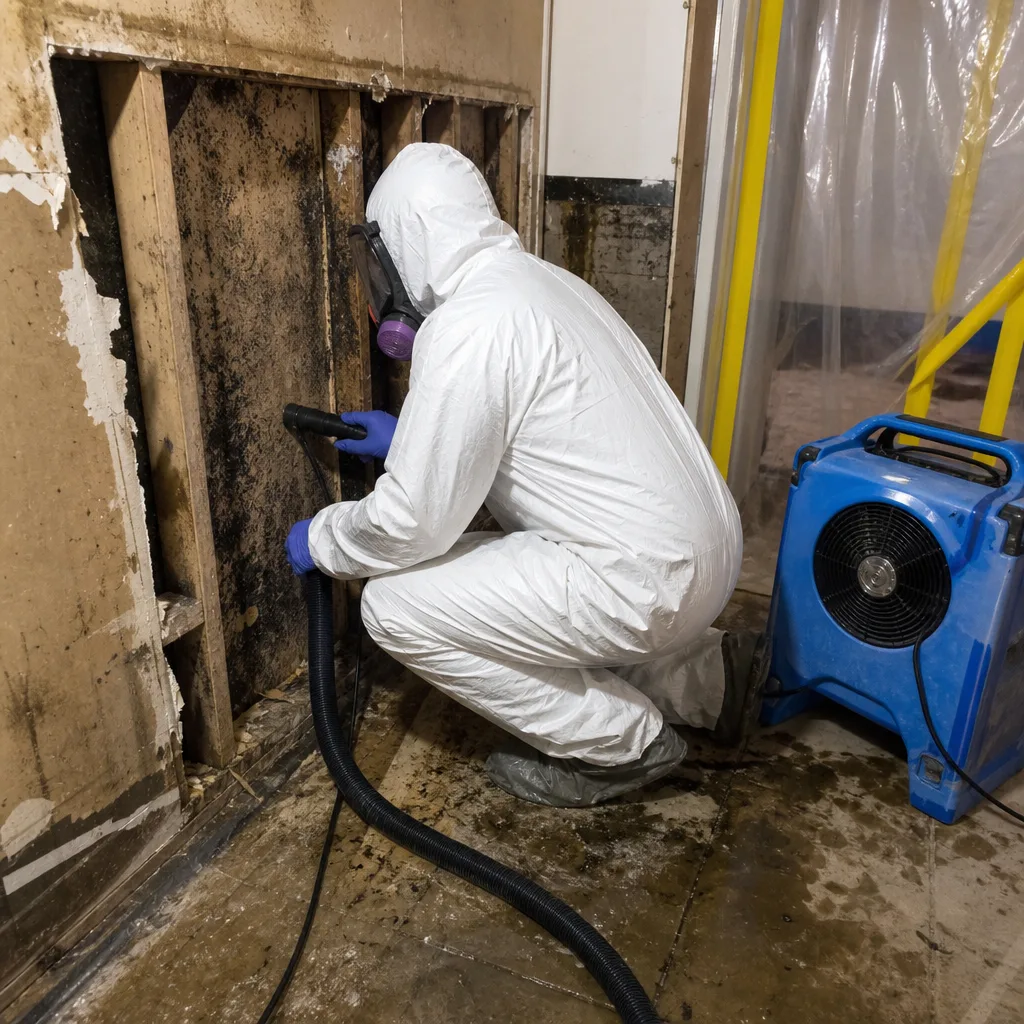
Contents Cleaning & Pack-Out
Contents cleaning and pack-out in Nellis AFB housing operates under military household goods protocols that civilian restorers often mishandle. Every item is inventoried, condition-photographed, and odor-coded before leaving the unit. Soft goods - uniforms, bedding, children’s clothing - are routed to textile restoration facilities; hard goods are ultrasonically cleaned or hand-detailed depending on soot composition. We provide the resident with a complete pack-out manifest, not just a box count, because military moves demand documentation that survives multiple inspections. For families facing reassignment timelines, we coordinate accelerated cleaning schedules and temporary storage solutions that keep household goods accessible until permanent housing is assigned.
What happens when you call
- 1
A real person answersNo phone trees - you reach a local pro.
- 2
You get an upfront price rangeHonest numbers before anyone is dispatched.
- 3
A background-checked tech heads outLicensed & insured, dispatched right away.
- 4
You approve before work beginsNothing starts until you say go.
BeforeAfterTrusted Equipment & Standards We Deploy on Nellis AFB
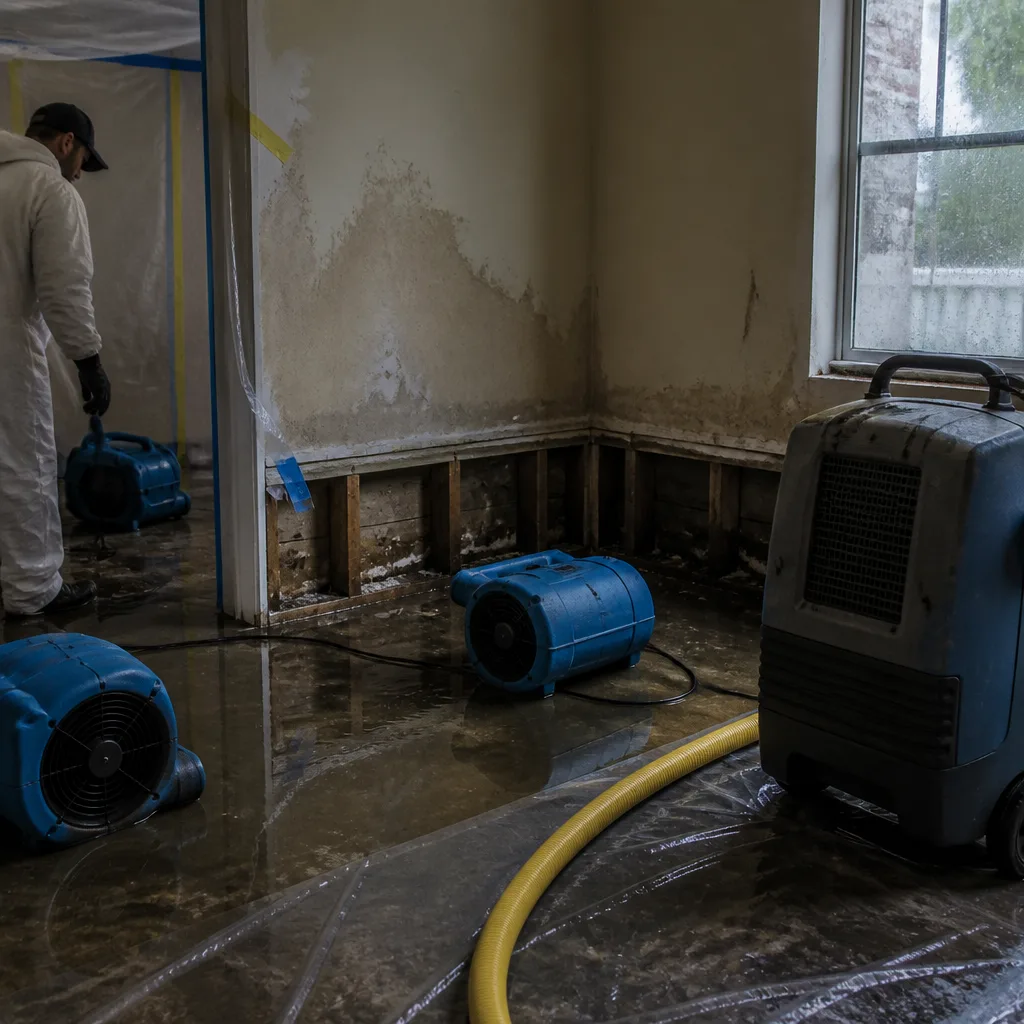
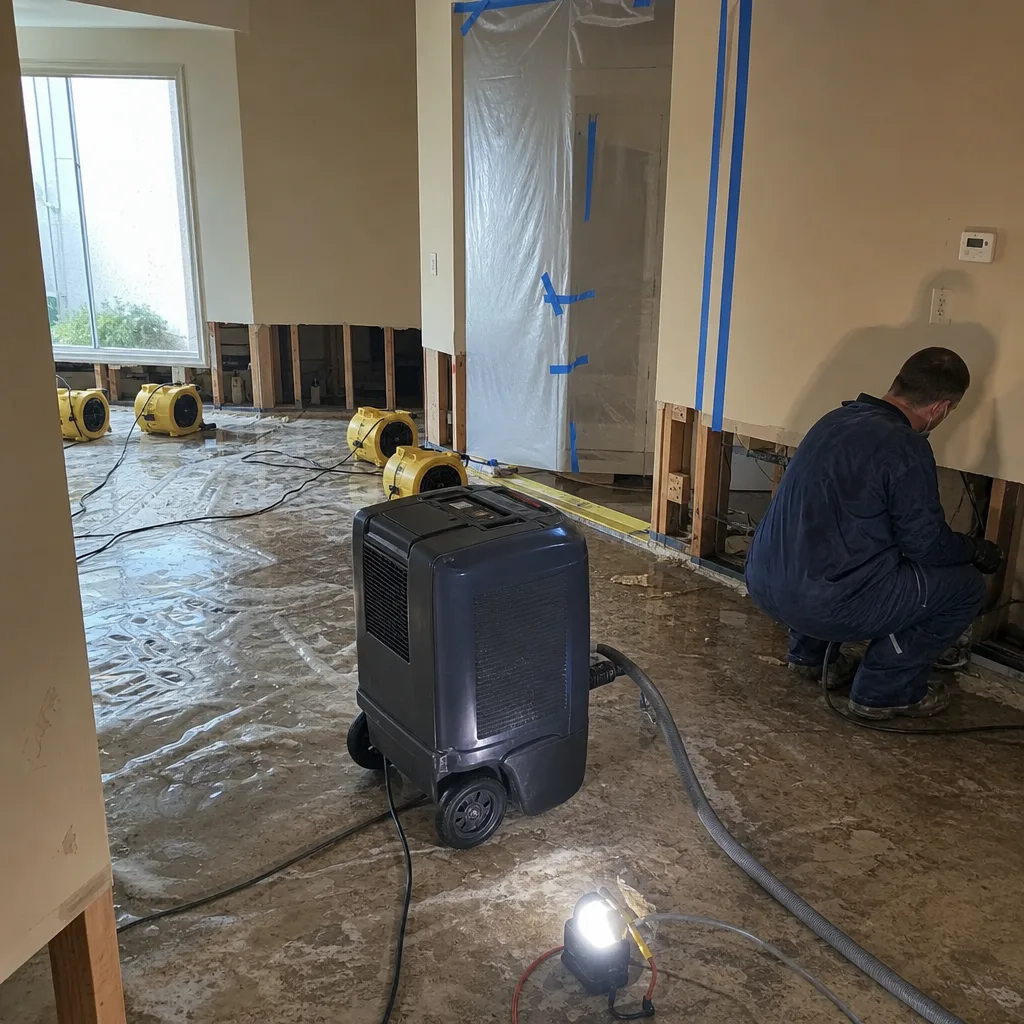
We don’t sell brands. We document their output. Our fire and smoke restoration crews deploy Dri-Eaz air movers and Phoenix dehumidifiers on every Nellis AFB job, with B-Air and XPOWER units supplementing large-loss scenarios. Injectidry systems handle cavity drying behind the original drywall and plaster common in 1950s-1970s base housing. All equipment performance is logged to IICRC, RIA, and IFA standards - the daily drying logs that turn restoration invoices into payable claims. We mention these names because adjusters recognize them, and because the housing office’s procurement reviewers ask for specification sheets we can produce on request. Every machine is photographed at placement and at removal, with runtime hours recorded for the file.
Common Fire & Smoke Damage Restoration Problems We See in Nellis AFB Homes
- Base-access credentialing delays destroy the mitigation window. Contractors without pre-cleared credentials sit at the security gate while soot acids etch permanently into kitchen cabinetry and bathroom fixtures. The 24-to-48-hour window for effective smoke remediation closes before they reach the unit. We clear credentials in advance so our clock starts when the phone rings, not when security finishes paperwork.
- Housing-office approval gaps halt work mid-stream. Crews who skip Balfour Beatty Communities routing and attempt to start on resident authorization alone face mandatory stoppage when the housing office reviews the scope. Containment gets dismantled. Pack-out pauses with contents half-inventoried. We build approval time into our response protocol and submit documentation packages that the housing office has already seen and approved on similar build-era units.
- Surface moisture readings miss hidden damage in original flat-roof assemblies. The Mojave hardpan caliche under Nellis AFB sheds water rather than absorbing it, so flash flood intrusion and fire suppression runoff travel horizontally along slab edges and wall bases. Standard surface readings show “dry” while moisture wicks behind original flat-roof membranes and under slab-on-grade. We run penetrating moisture meters and thermal imaging on every fire job, not just the ones that look wet, because mold establishes in these same build clusters within 72 hours of missed moisture.
- Cookie-cutter construction creates predictable failure cascades. A kitchen fire in one 1970s unit almost certainly exposes the same cracked condensate pan, the same deteriorated roof membrane, the same compromised HVAC return that we’ve documented two streets over. Pattern recognition across identical build batches lets us flag adjacent units for preventive inspection before those families file claims - but only if the original documentation was thorough enough to establish the pattern.
Pricing for Fire & Smoke Damage Restoration in Nellis AFB, NV
Emergency board-up and tarping on Nellis AFB runs $850-$1,400 for standard ranch-style units, with after-hours deployment adding $200-$350. Smoke and soot removal for a typical 1,200-square-foot base housing unit costs $2,200-$4,800; full fire damage restoration with structural drying, deodorization, and contents pack-out ranges $6,500-$12,500 depending on HVAC involvement and the extent of secondary water damage from suppression. Odor removal and deodorization as a standalone service runs $1,400-$3,200. Contents cleaning and pack-out is priced per-item and per-cubic-foot of storage, typically $800-$2,400 for a standard household inventory.
What moves a Nellis AFB job toward the higher end: base-access coordination fees (we absorb these, but some contractors pass them through), HVAC system contamination requiring duct sealing and mechanical cleaning, and the extended drying times that original construction with minimal vapor barriers demands. Every price is delivered in writing before work begins - Haven Standard, Clause 1 - with no scope-creep additions once our crew is inside. Bring a competitor’s written estimate; we’ll review it at no charge for a Free Second Opinion.
Call (725) 216-2692 for an exact quote on your unit. Estimates are free, and we can often begin documentation - photo record, moisture mapping, preliminary scope - while housing office approval is processing.
We Also Serve Cities Near Nellis AFB
Our Fire & Smoke Damage Restoration team responds throughout the Las Vegas valley, including Nellis AFB and the surrounding communities of North Las Vegas and Las Vegas. Crews are staged for deployment across all three jurisdictions, with base-access credentialing maintained specifically for Nellis AFB military housing.
Serving Nellis AFB, NV - Our Local Coverage Area
We’re based in the Nellis AFB area and know this community well. Use the map below to see our service coverage - if you’re nearby, we can almost certainly help.
FAQs - Fire & Smoke Damage Restoration in Nellis AFB
Because contractors must clear base-access credentialing through security screening and route scope approval through Balfour Beatty Communities, not the individual resident. This chain of authority doesn’t exist in civilian Las Vegas. We maintain pre-cleared credentials and established housing office communication protocols so our response time to Nellis AFB - 45-90 minutes from call to arrival - matches civilian-market speed despite the extra layers. Call (725) 216-2692 and a live person will confirm current credential status and deployment readiness.
Every item is inventoried, condition-photographed, and odor-coded before leaving the unit, with soft goods routed to textile restoration and hard goods ultrasonically or hand-cleaned depending on soot type. We provide a complete manifest, not a box count, because military household goods documentation must survive multiple inspections. The pack-out typically completes same-day for standard inventories, with cleaning turnaround of 5-10 business days. A written price for the full scope is delivered before any item leaves the residence, Haven Standard, Clause 1.
The base’s ranch-style housing was built in identical batches from the 1950s through the 1990s, meaning shared infrastructure - original HVAC returns, flat-roof membranes, slab-on-grade construction, corroding condensate pans - fails predictably across entire blocks. A kitchen fire in one 1970s unit exposes the same duct pathways and moisture vulnerabilities we’ve documented two streets over. This pattern recognition lets us flag adjacent units for preventive inspection, but only if our documentation from prior jobs was thorough enough to establish the correlation. It’s operational intelligence that civilian Las Vegas neighborhoods with varied construction don’t provide.
Yes, if housing office approval is pre-coordinated. We typically deploy board-up and tarping crews immediately after fire department release, then transition to smoke and soot remediation once structural security is confirmed. Same-day completion depends on unit size, fire severity, and the extent of HVAC contamination - but the documentation (photo record, moisture map, written scope) begins on arrival regardless. The key constraint is base-access credentialing, not our capacity; we stage equipment for combined deployment specifically for Nellis AFB’s approval structure.
Soot acids etch permanently into surfaces within 24-48 hours, and the Mojave Desert heat accelerates both corrosion and hidden moisture migration behind original construction. Missed moisture in flat-roof assemblies and slab edges establishes mold within 72 hours, particularly in the 1950s-1990s build clusters with minimal vapor barriers. We’ve documented cases where delayed response turned a $3,800 smoke remediation into a $12,000+ full restoration with mold remediation and structural repair. The housing office’s approval process adds time that civilian jobs don’t face - which is exactly why pre-cleared credentials and pre-submitted documentation protocols matter. Call (725) 216-2692 for immediate deployment assessment.
Written by Alicia Brennan, Owner at Back to Dry Restoration, serving Nellis AFB since 2011 under The Haven Standard.