
Last updated September 23, 2026
Free visual inspection and a written scope of work before any mitigation begins - photos, moisture readings, and drying logs go in your claim file
The scope we write is the scope we bill. Anything new gets shown to you, in writing, before we touch it.
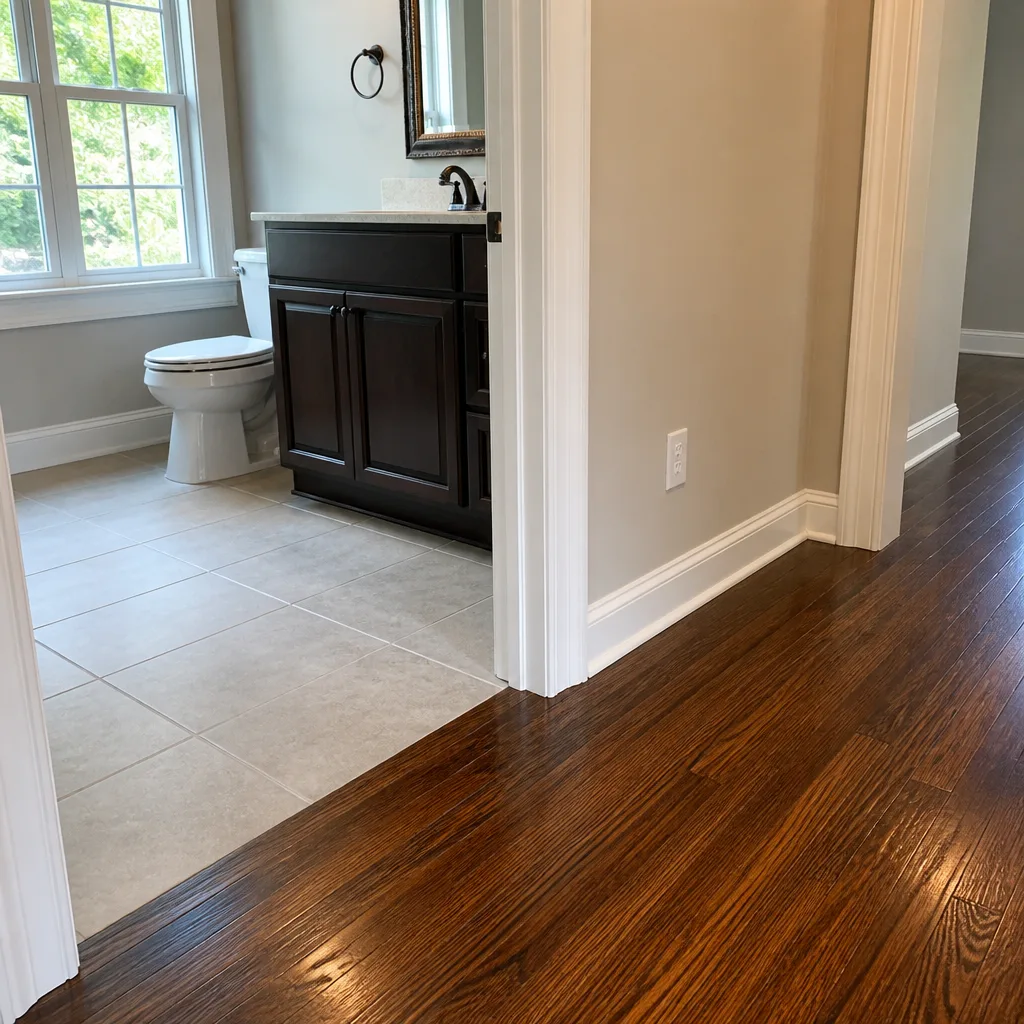
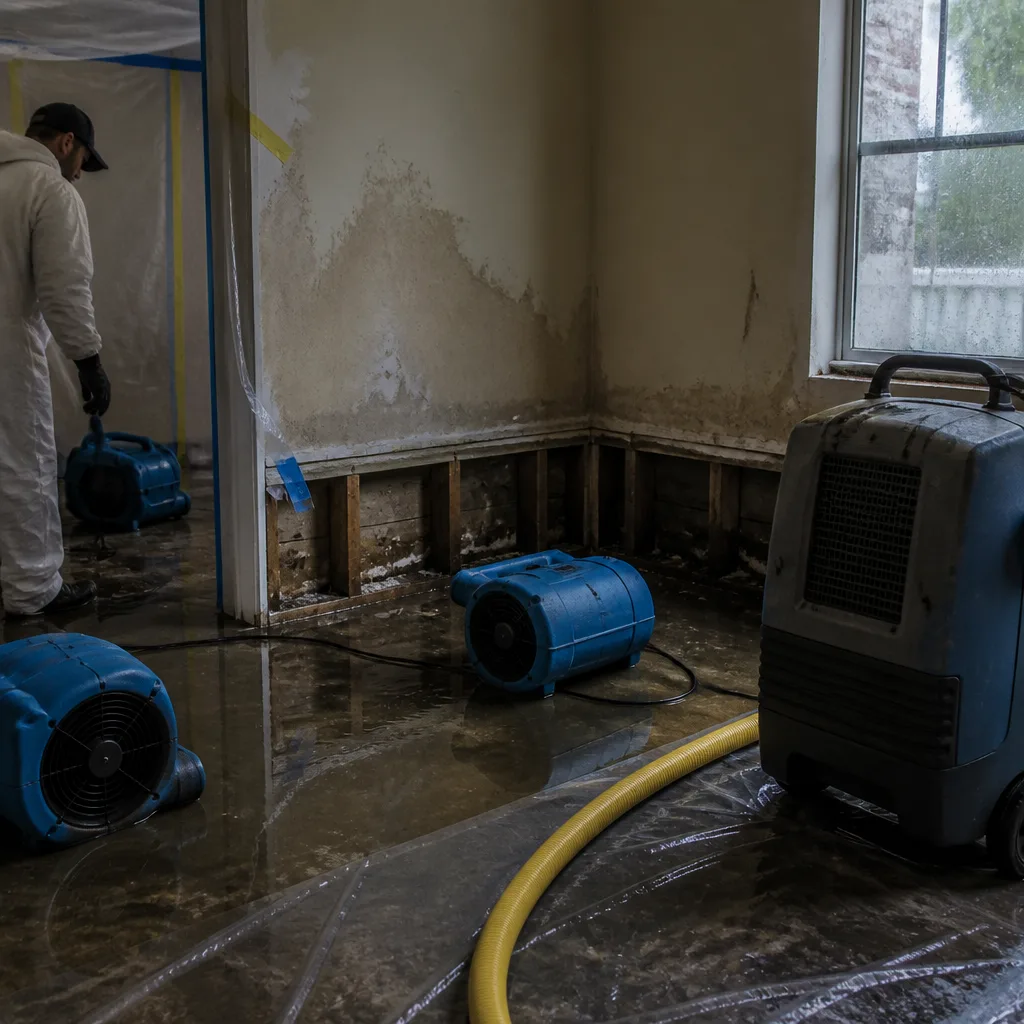 Before
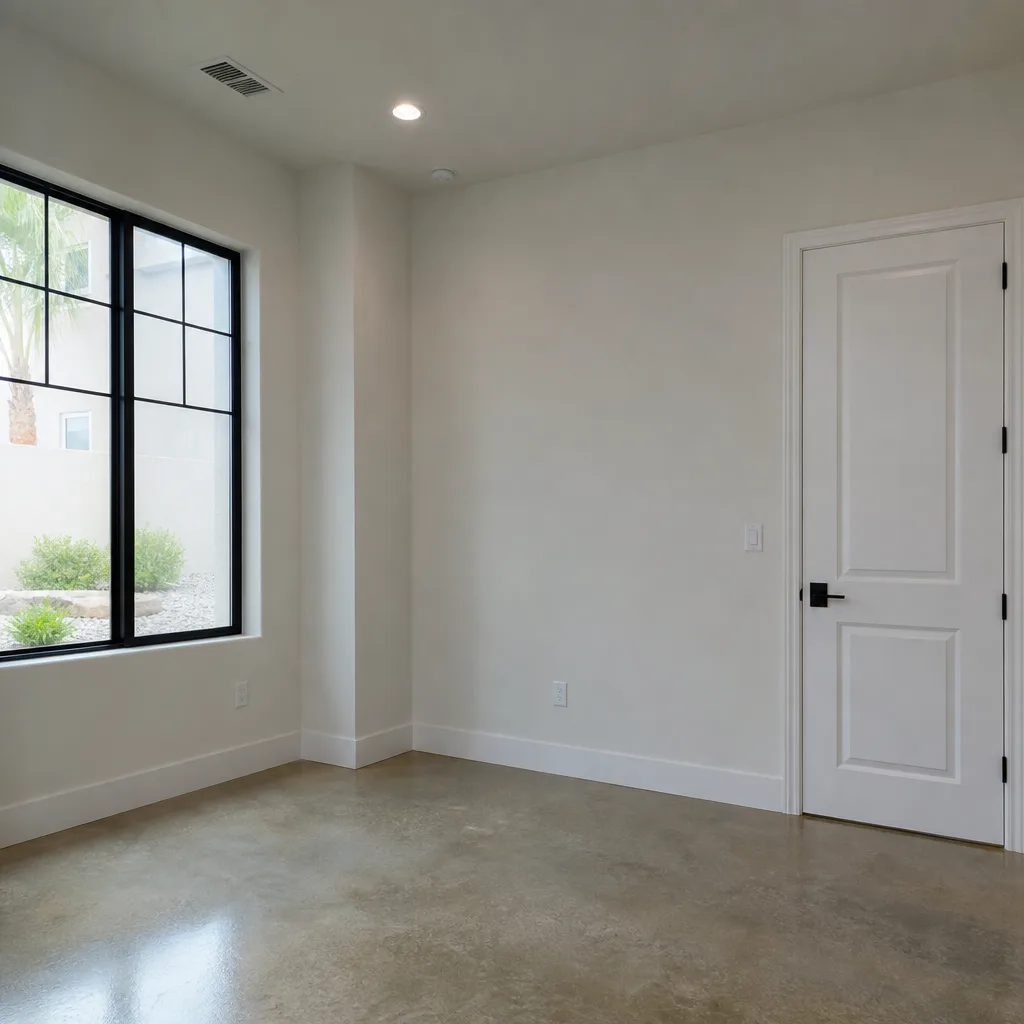 After
After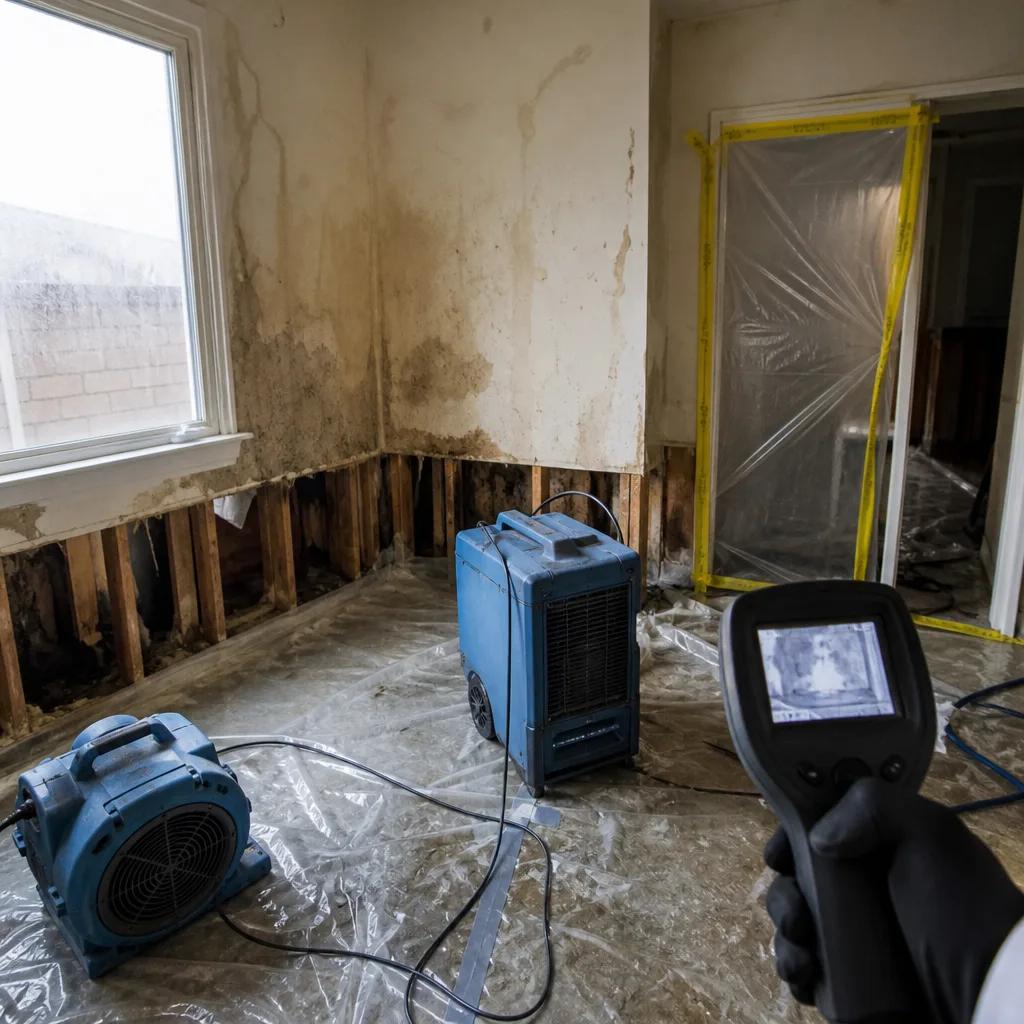 Before
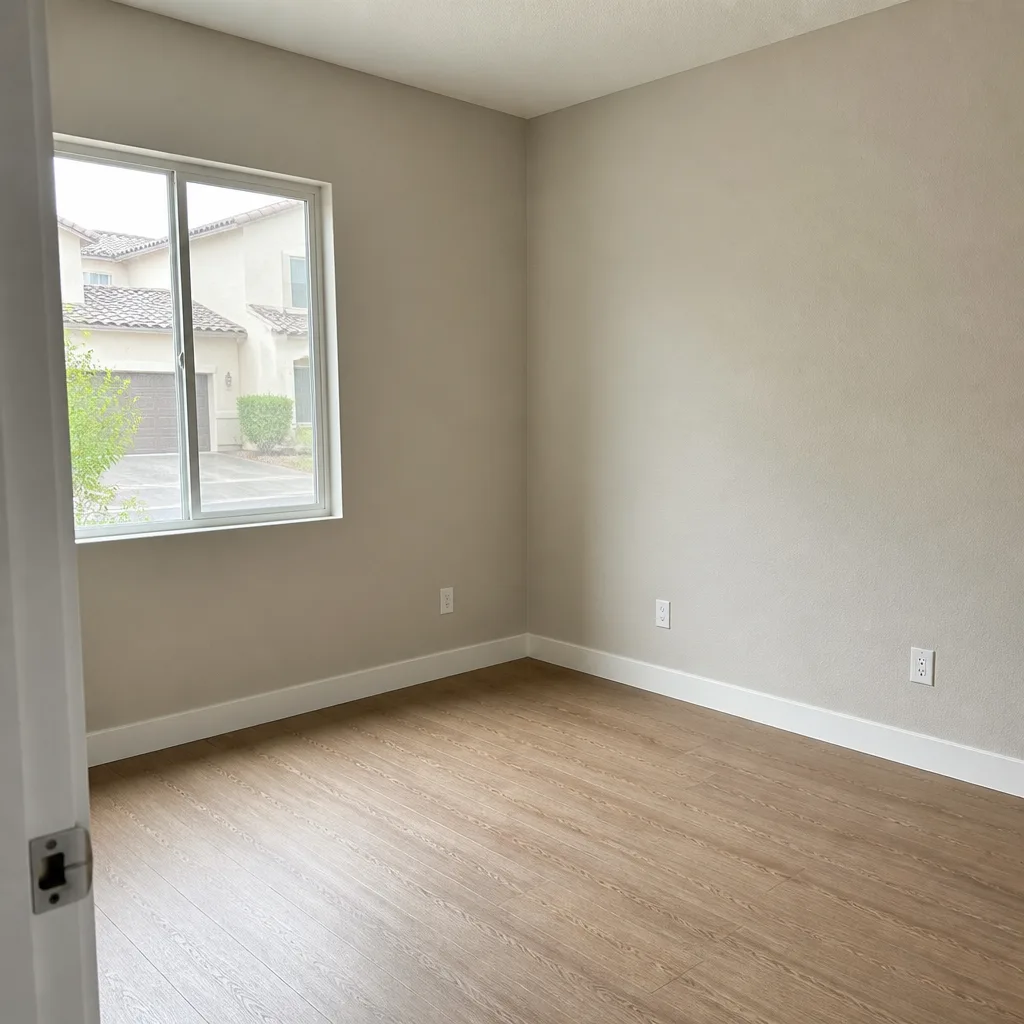 After
After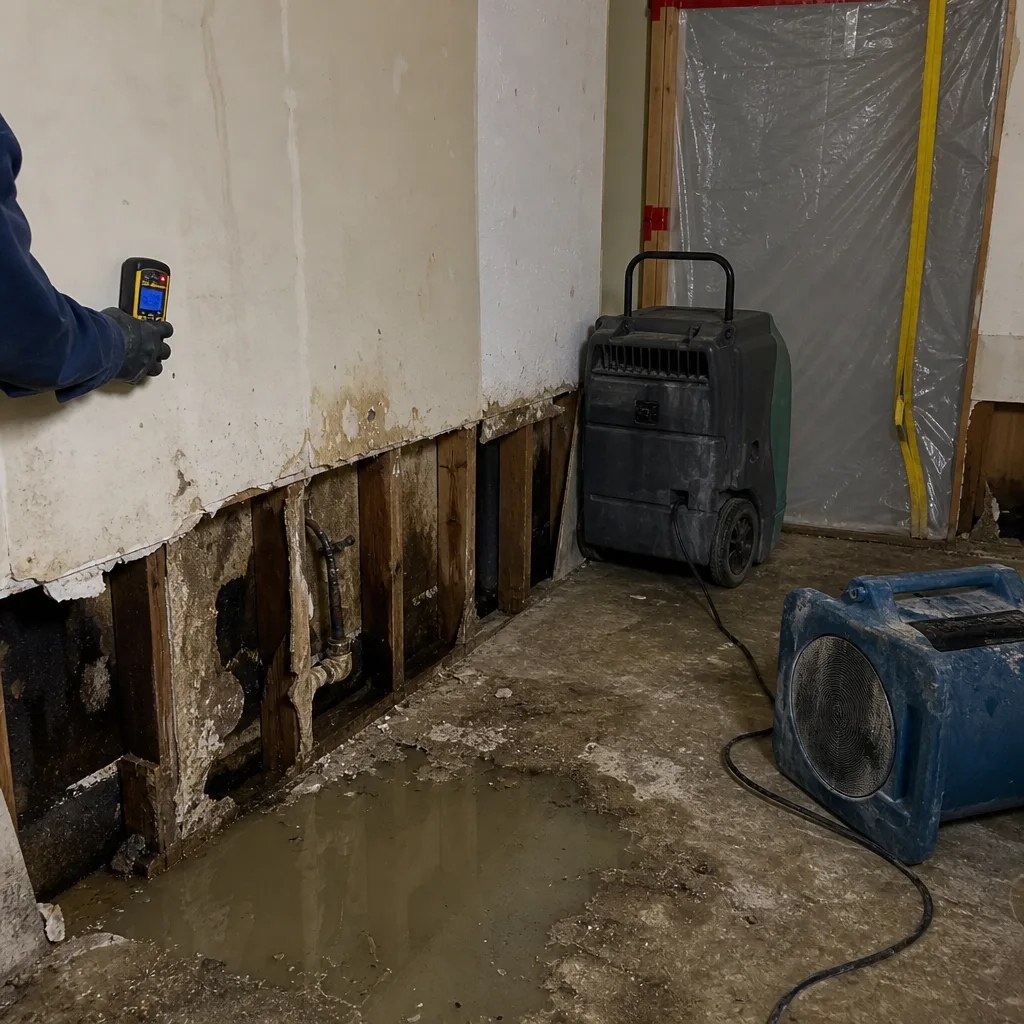 Before
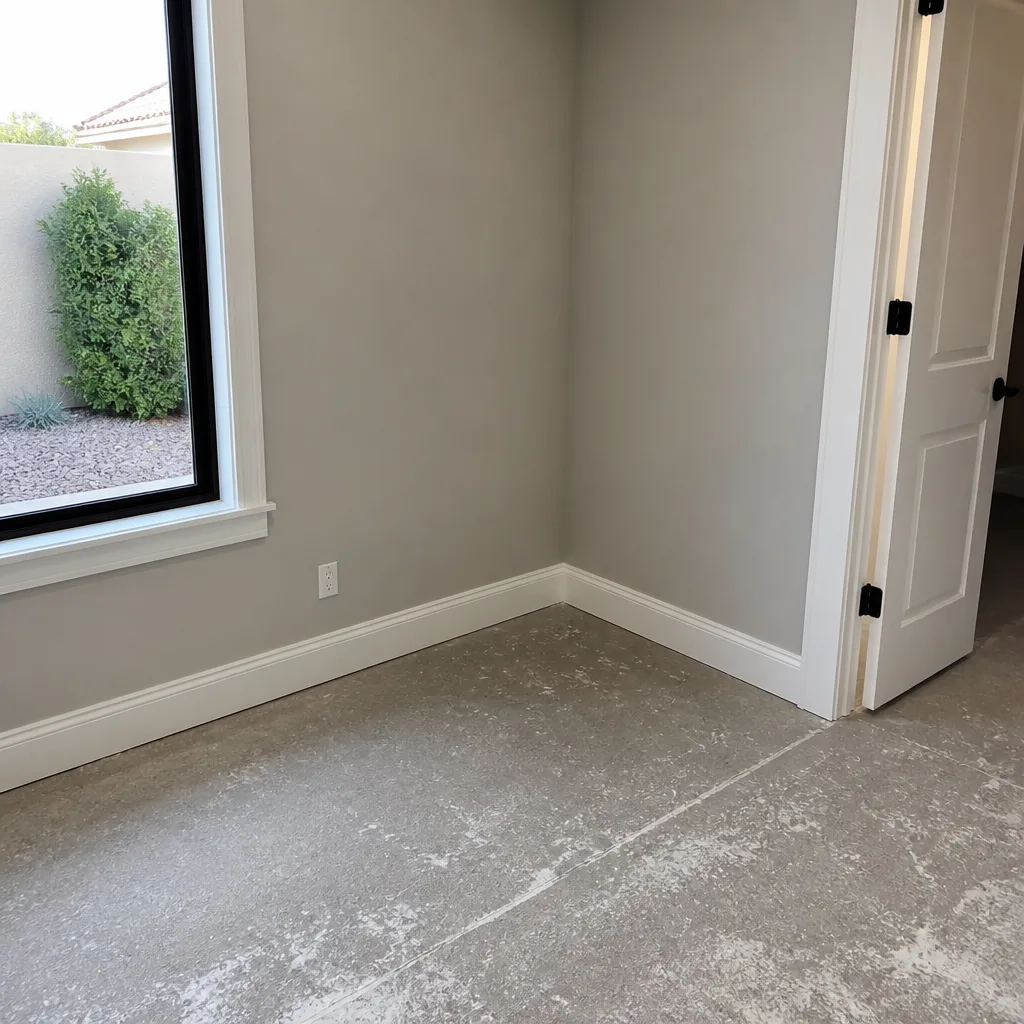 After
AfterDIY vs Professional Damage Restoration: The Summerlin Homeowner’s Decision Guide
Here’s what most Summerlin homeowners learn too late: Nevada law does not require you to hire a licensed contractor for every repair, but your insurance policy probably does, and the exclusion language is buried in the definitions section, not the exclusions page. In our experience reviewing thousands of claims since 2011, the cost of an undocumented DIY attempt in Summerlin’s climate, where hard water mineral deposits trap moisture and 115-degree attic temperatures accelerate secondary damage, frequently exceeds the original loss. This guide will show you exactly where the line falls between what you can safely handle yourself and what requires professional documentation to protect your coverage, your home’s structure, and your resale value. For a deeper dive, see our step-by-step guide on hiring a damage restoration contractor in Summerlin.
Quick Answer
Most Summerlin homeowners can safely handle Category 1 water damage under 10 square feet with no structural involvement and no insurance claim, using basic extraction and household fans. For anything larger, involving contaminated water, structural materials, or an active insurance claim, professional restoration is required to produce the moisture logs, IICRC-standard drying records, and contractor warranty documentation that insurers demand to close a claim.
Table of Contents
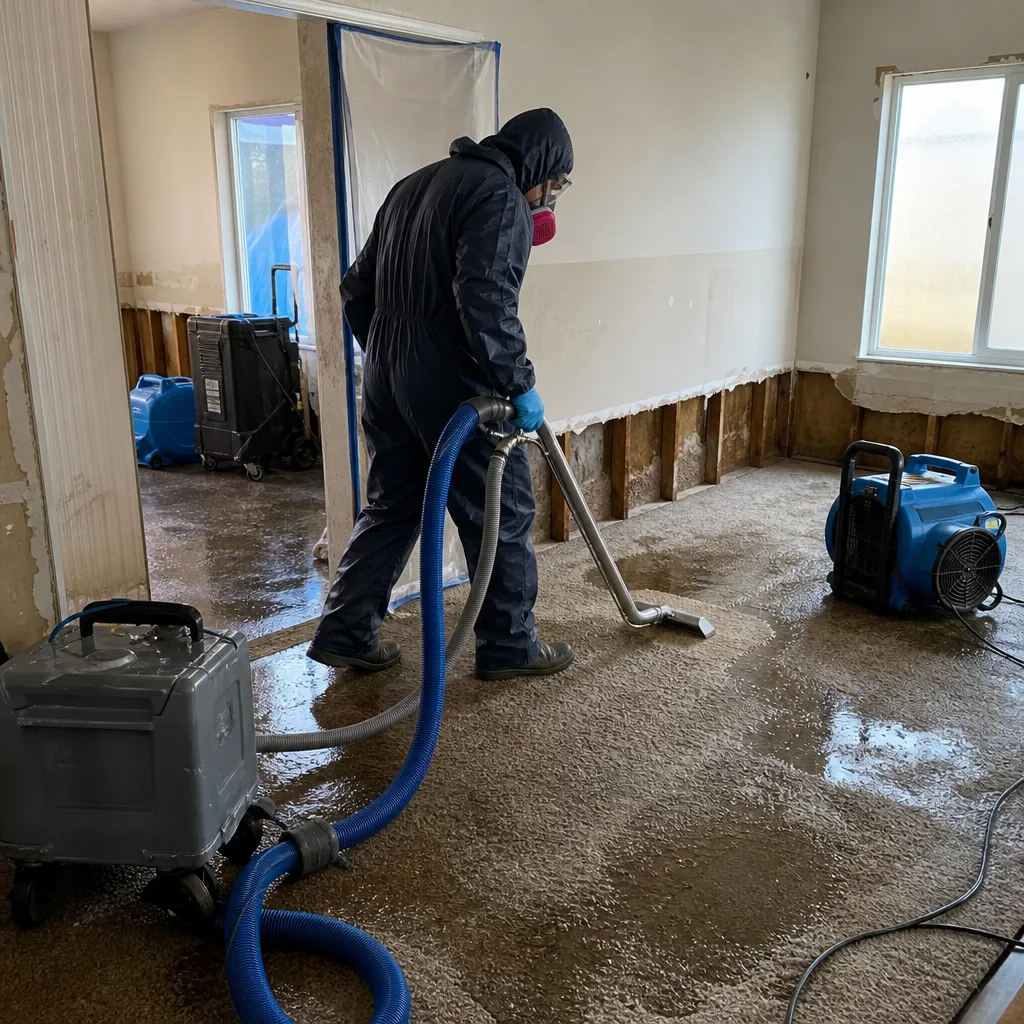
- What Nevada Insurance Policies Actually Require for Restoration Work
- The Moisture Detection Gap: What Your $40 Pin Meter Misses
- The Documentation Divide: What DIY Repairs Cannot Produce
- The Summerlin Decision Matrix: Four Inputs That Determine Your Path
- The Correct Way to Do Partial DIY in Summerlin
- Real Cost Comparison: DIY vs Professional in the Summerlin Market
- How Summerlin’s Climate Creates Hidden Damage Risks
- Common Mistakes to Avoid
- When to Call a Professional
- Frequently Asked Questions
- The Bottom Line
BeforeAfterWhat Nevada Insurance Policies Actually Require for Restoration Work
The standard Nevada HO-3 policy contains a deceptively simple requirement: the insurer will pay for “reasonable repairs” performed by “qualified persons.” The trap is in the definitions. Most Summerlin homeowners assume “qualified” means competent. In claims practice, it means licensed, insured, and able to produce documentation that satisfies the adjuster’s file requirements.
We’ve reviewed hundreds of denied or reduced claims at DryMark Restoration Summerlin home. The pattern is consistent. A homeowner in The Trails or The Ridges handles a water loss themselves, documents with phone photos, and submits receipts for wet/dry rental and drywall patch materials. The adjuster requests: daily moisture readings showing progressive drying to below 16% wood moisture content; psychrometric data proving the drying environment was controlled; and a contractor’s warranty on the finished work. The homeowner has none of these. The claim closes at 40-60% of the estimated replacement cost, or the insurer invokes the “reasonable repairs” clause to deny secondary damage that manifests six months later.
The critical distinction in standard policy language: cosmetic repairs and content cleaning are generally yours to handle. Structural drying, contaminated water handling, and any work behind finished surfaces typically trigger the “qualified persons” requirement. In Summerlin’s master-planned communities with HOA architectural review boards, this distinction has an additional layer. Many HOAs require licensed contractor documentation for any work affecting the building envelope, regardless of insurance status.
Three questions determine whether your policy requires professional work:
- Is there water behind a finished wall, ceiling, or floor? If yes, moisture documentation is required.
- Is the water source potentially contaminated (Category 2 or 3)? If yes, IICRC-standard handling and disposal records are required.
- Have you filed or do you intend to file an insurance claim? If yes, the “reasonable repairs” clause is active and enforceable.
The documentation gap that costs homeowners their claims is precisely why Back to Dry was founded by a former claims adjuster in 2011. We built our process around what adjusters actually need to see.
The Moisture Detection Gap: What Your $40 Pin Meter Misses
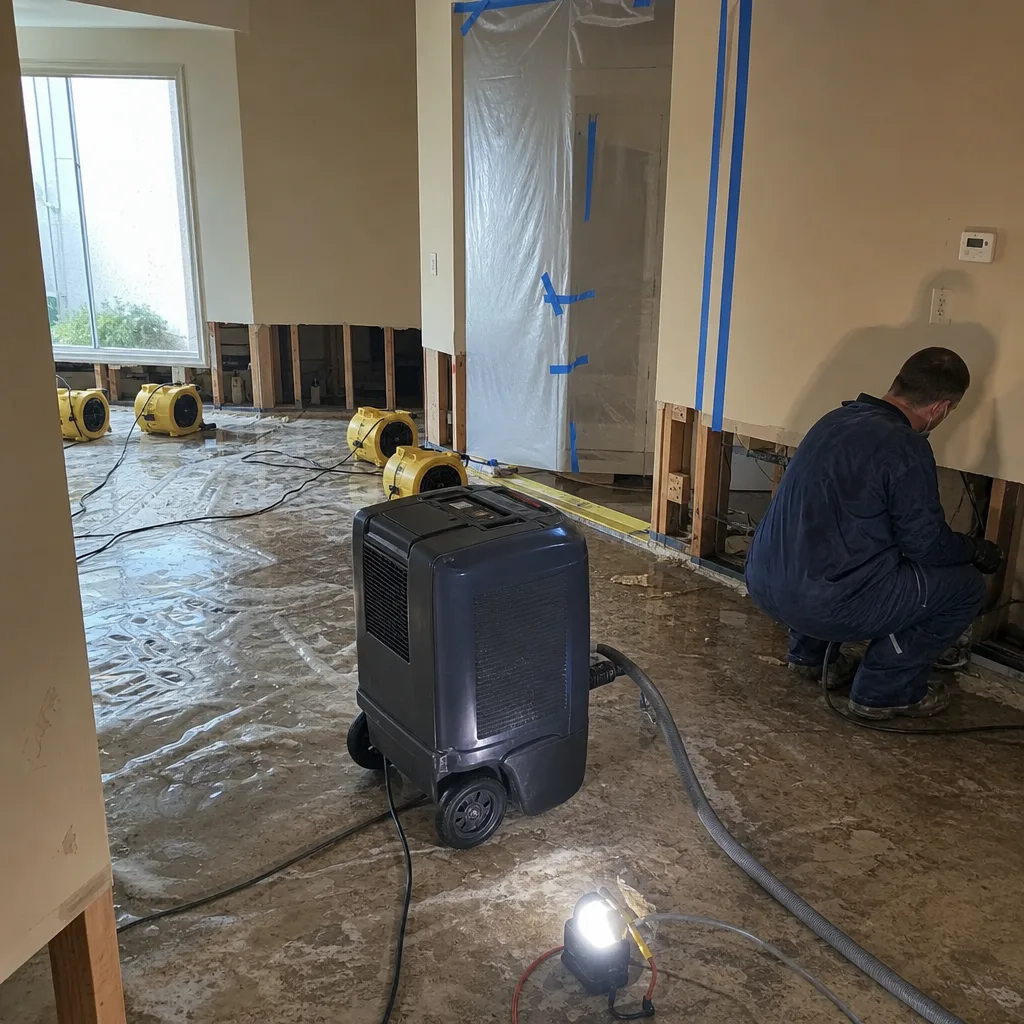
Home improvement stores in Summerlin sell pin-type moisture meters for $35-60. These tools measure conductivity between two pins pressed into a surface. They’re useful for spot-checking visible wood after a known spill. They are not useful for finding water you don’t know is there, and in Summerlin’s construction environment, the water you don’t know about is what destroys your home.
Here’s what a pin meter cannot do:
- Detect moisture behind ceramic tile, which is electrically non-conductive and common in Summerlin’s Mediterranean and desert contemporary builds
- Map the full extent of a water migration path, which often travels 15-20 feet along slab conduits or wall cavities before appearing visually
- Distinguish between active moisture and historical humidity fluctuations, critical in homes near Red Rock Canyon where seasonal humidity swings are extreme
- Identify vapor pressure differentials, the invisible force that drives moisture from wet framing into apparently dry drywall
Professional-grade detection uses thermal imaging cameras (FLIR or equivalent, $3,000-8,000), non-penetrating electromagnetic sensors, and thermo-hygrometers that measure the relationship between air temperature, relative humidity, and vapor pressure. In a typical Summerlin home, this equipment reveals water migration that pin meters miss in 70-80% of cases where visible damage appears limited to one room.
The cost of this gap is structural. We regularly find moisture trapped in Summerlin’s common construction: steel stud framing with paper-faced drywall, which wicks water horizontally; slab-on-grade foundations with no vapor barrier, where groundwater wicks upward during monsoon season; and stucco exteriors with inadequate weep screeds, where exterior moisture enters wall cavities and remains undetected for months.
When drywall goes back up over wet framing, three outcomes follow: mold amplification within 48-72 hours in Summerlin’s warm conditions; structural fastener corrosion that compromises shear walls; and eventual drywall failure that requires complete removal and reinstallation. The $200 saved on professional detection becomes $4,000-8,000 in reconstruction.
The Documentation Divide: What DIY Repairs Cannot Produce
Insurance claims adjusters work from documentation, not trust. A file with proper documentation processes in 10-14 days. A file without it lingers for 60-90 days, or closes with reduced payment and reservation of rights for future claims. The documentation that separates these outcomes is not complex, but it is specific and not available to DIY repairs.
Third-party moisture logs: Daily readings of affected materials, taken with calibrated equipment, recorded with date, time, location, and technician signature. These logs show progressive drying to IICRC S500 standards, typically 15-16% wood moisture content or 4-5% dry standard for drywall. Adjusters use these to confirm that drying was achieved before reconstruction began, protecting against future mold claims.
IICRC-standard drying records: Documentation of equipment placement, air movement calculations, dehumidifier capacity relative to affected volume, and psychrometric data showing that the drying environment was controlled throughout the process. This is not a log of “ran fans for three days.” It is a technical record that demonstrates professional competence and provides a defensible position if the insurer questions the scope.
Contractor warranty language: A written guarantee on the finished work, with specific terms, duration, and conditions. Water Damage Restoration in Summerlin through DryMark Restoration Summerlin includes our 365-Day Done Right Promise under The Haven Standard, a signed warranty document, not a verbal assurance. This warranty is transferable to subsequent buyers, a significant resale advantage in Summerlin’s active real estate market.
Photo documentation with metadata: Date-stamped, geotagged images of each phase: pre-loss condition, affected materials, equipment placement, progressive drying, and post-restoration verification. Not phone snapshots. Professional documentation systems produce images with embedded metadata that adjusters can verify.
The Haven Standard, Clause 1 requires a written price before work begins on every job. This documentation, combined with the photo record and drying logs, produces what we call a “clean file”: a claim that processes without dispute because the documentation answers every question before it is asked.
The Summerlin Decision Matrix: Four Inputs That Determine Your Path
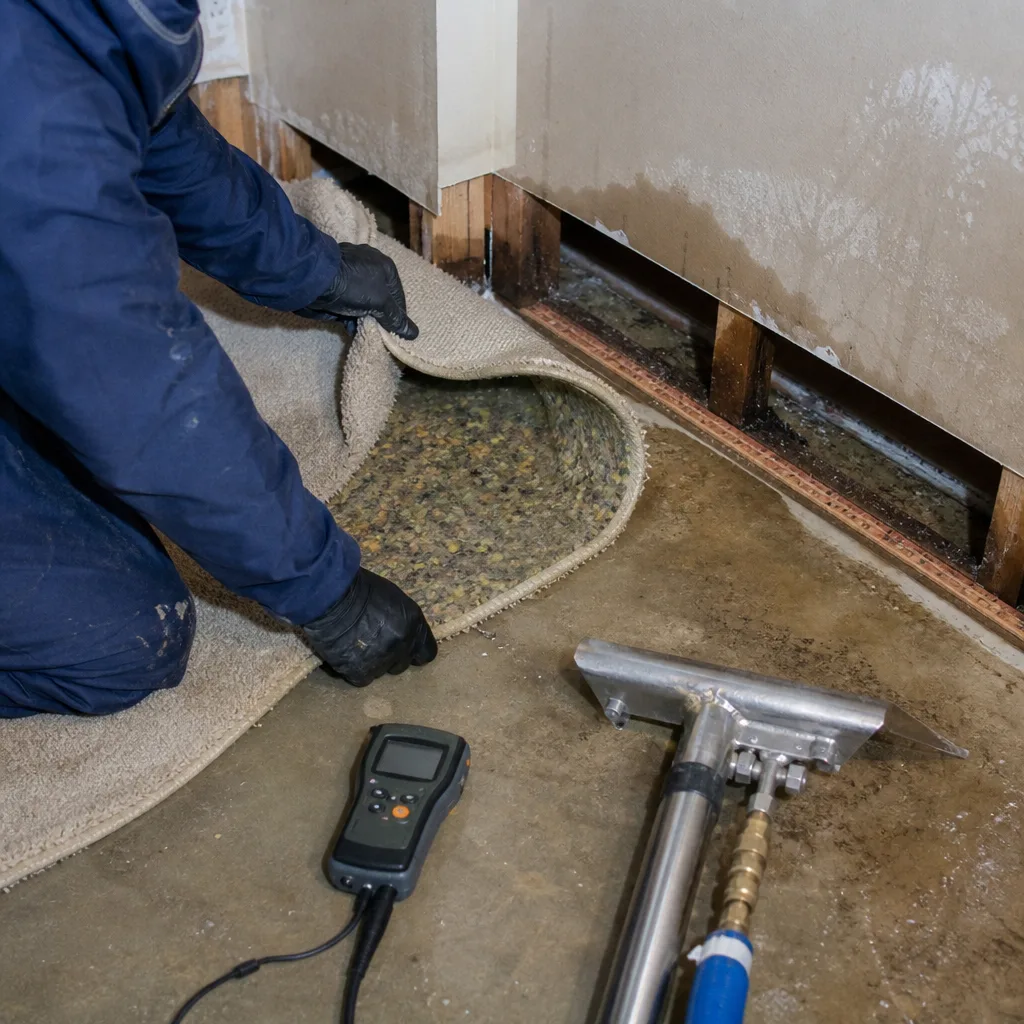
After twelve years and 12,000 homes, we’ve distilled the DIY versus professional decision to four inputs. Each combination produces a clear recommendation. This is not “it depends.” It is a decision framework.
| Loss Category | Square Footage | Structural Involvement | Insurance Claim | Recommended Path |
|---|---|---|---|---|
| Category 1 (clean water) | Under 10 sq ft | No | No | DIY: extract, dry with household fans, monitor 48 hours |
| Category 1 | 10-50 sq ft | No | No | Partial DIY: handle extraction and surface drying; hire professional for moisture verification |
| Category 1 | Any | Yes | No | Professional: structural drying requires equipment and documentation |
| Category 1 | Any | Any | Yes | Professional: insurance requires qualified person documentation |
| Category 2 (gray water) | Under 10 sq ft | No | No | Professional recommended: contamination requires proper handling and disposal records |
| Category 2 | Any | Any | Any | Professional: IICRC-standard cleaning and documentation required |
| Category 3 (black water) | Any | Any | Any | Professional mandatory: health hazard, regulated disposal, no safe DIY path |
Loss category definitions: Category 1 is clean water from a broken supply line or overflow. Category 2 is gray water with contamination potential, dishwasher or washing machine discharge. Category 3 is black water: sewage, floodwater, or any water with confirmed pathogenic content. In Summerlin, Category 2 and 3 losses are more common than national averages due to hard water scale buildup in appliances and monsoon-related flooding in lower-elevation neighborhoods.
Structural involvement means water has reached wall cavities, ceiling assemblies, subflooring, or framing. If you can see the water and wipe it up, there is no structural involvement. If you need to remove a baseboard to see where the water went, there is structural involvement.
The most expensive mistake we see in Summerlin’s Stonebridge, Queensridge, and The Pueblo neighborhoods: homeowners correctly identify Category 1 water, correctly assess under 10 square feet, miss the structural involvement because the water traveled along slab conduits into a wall cavity, and proceed with DIY drying. Six months later, mold remediation in a luxury kitchen costs $15,000-25,000, and the insurer denies coverage because the initial drying was not documented.
The Correct Way to Do Partial DIY in Summerlin
Partial DIY is not a compromise. It is a legitimate, cost-effective approach when structured correctly and documented in writing. The key is scope separation: what you handle, what the professional handles, and a written agreement that defines the boundary.
What homeowners can safely and effectively handle:
- Content removal: moving furniture, electronics, and personal items from affected areas. Document with photos before moving.
- Surface water extraction: using a wet/dry vacuum on standing water from hard surfaces. Do not attempt carpet extraction without professional equipment; household vacuums lack the lift to extract from pad and backing.
- Initial ventilation: opening windows when outdoor conditions permit, running household fans to promote air movement. In Summerlin, this is effective only when outdoor absolute humidity is lower than indoor, typically early morning hours in dry months.
- Content cleaning: washing non-porous items with appropriate cleaners. Porous items that have absorbed Category 2 or 3 water should be discarded, not cleaned.
What must remain with the professional:
- Moisture measurement and mapping: thermal imaging, non-invasive sensors, and pin verification in suspected areas
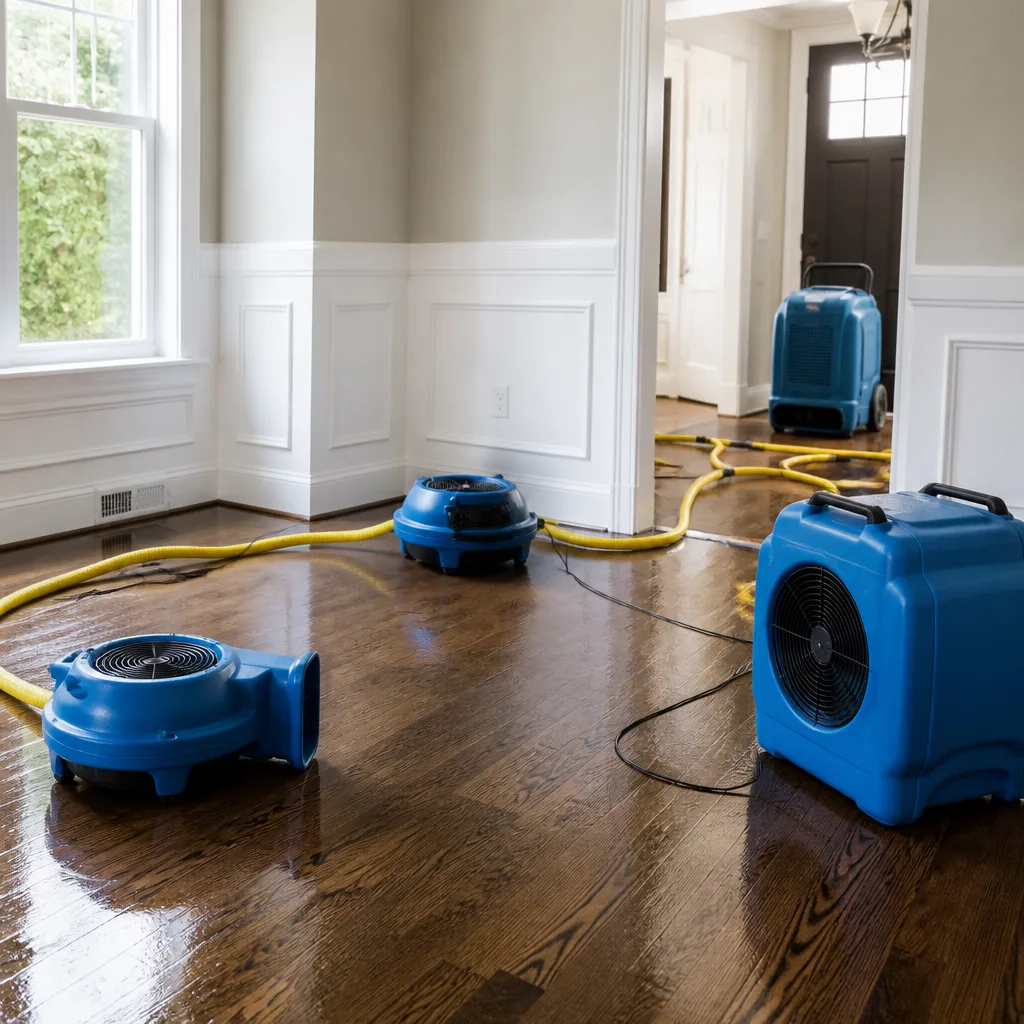
- Structural drying: placement and monitoring of commercial dehumidifiers (Dri-Eaz, Phoenix), air movers (XPOWER, B-Air), and specialized systems like Injectidry for wall cavity drying
- Material removal decisions: determining what must be removed versus what can be dried in place, based on IICRC S500 standards
- Documentation: daily moisture logs, photo records, equipment readings, and the written scope that satisfies insurance requirements
How to contract for limited scope in writing:
Request a written estimate that explicitly separates “homeowner scope” from “contractor scope.” The contractor should inspect, measure moisture, and provide a written price for professional services only. Haven Standard, Clause 1 applies: the written price must be delivered before any work begins. The contractor’s warranty should cover only the work they perform, not your DIY components. This is standard practice for reputable firms and should not be difficult to obtain.
At DryMark Restoration Summerlin, we regularly write limited-scope agreements for Summerlin homeowners who prefer to handle content and initial extraction. The professional component, moisture verification and structural drying, is documented to IICRC, RIA, and IFA standards, producing the clean file that protects your claim and your home.
Real Cost Comparison: DIY vs Professional in the Summerlin Market
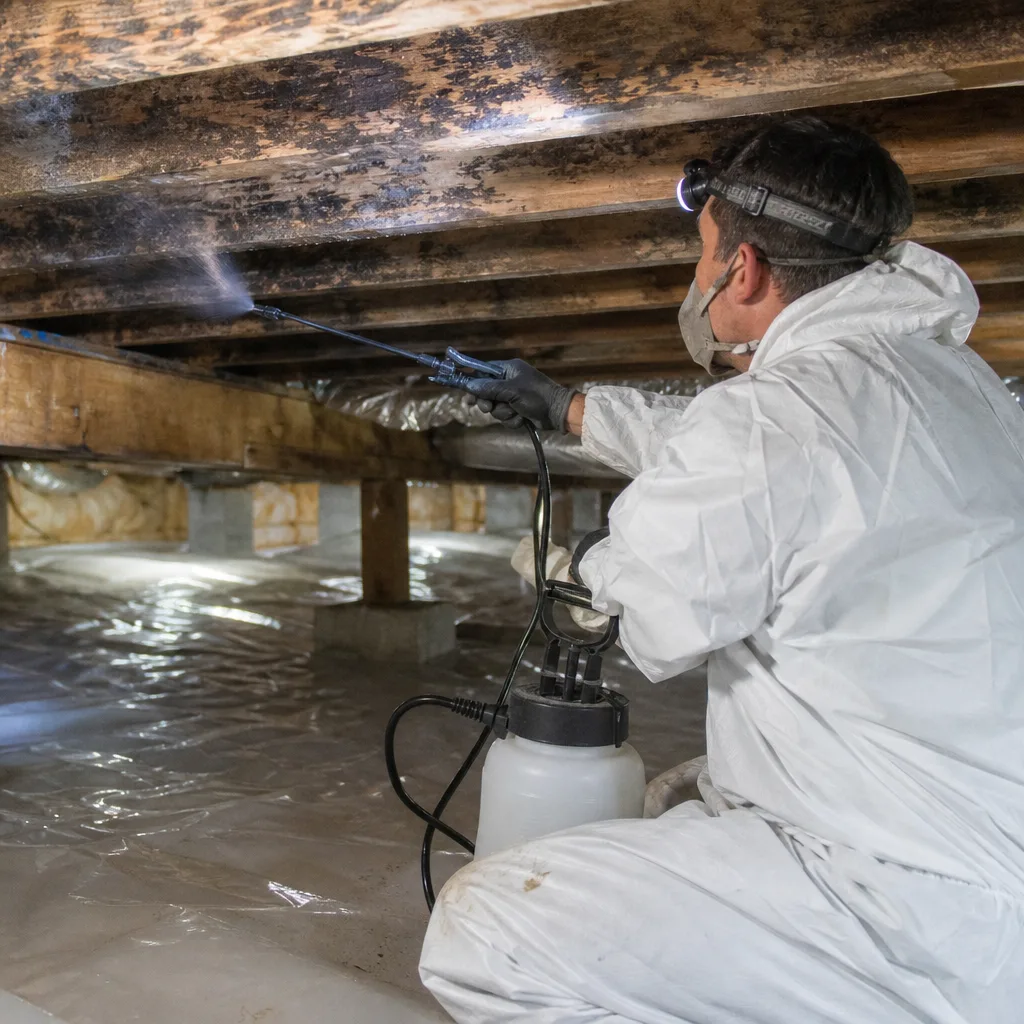
These figures reflect Summerlin’s market conditions as of 2024, including equipment rental availability, labor rates, and the specific construction types common in Summerlin’s master-planned communities.
| Scenario | DIY Cost Range | Professional Cost Range | DIY Hidden Costs/Risks |
|---|---|---|---|
| Category 1, under 10 sq ft, no structure | $80-200 (rental equipment, fans, cleaning supplies) | $350-600 (minimum service call, moisture verification) | None significant if monitored properly |
| Category 1, 10-50 sq ft, no structure | $200-400 (rental dehumidifier, additional fans, possible pad replacement) | $800-1,800 (extraction, drying, verification) | Undetected moisture migration; no documentation for future claims |
| Category 1, any size, structural involvement | $400-800 (equipment, materials, possible drywall repair) | $2,500-6,000 (containment, structural drying, reconstruction) | Mold amplification; structural fastener corrosion; claim denial; resale disclosure issues |
| Category 2, any size | $300-600 (equipment, PPE, cleaning agents, disposal) | $3,000-8,000 (contaminated water protocol, disposal records, verification) | Health hazard from improper handling; no disposal documentation; claim denial |
| Category 3, any size | Not recommended | $5,000-15,000+ (sewage protocol, regulated disposal, full documentation) | Serious health hazard; regulatory violation; no insurance coverage |
The professional ranges include documentation that satisfies insurance requirements. The DIY ranges do not. When insurance is involved, the relevant comparison is not DIY cost versus professional cost, but DIY cost plus uncovered losses versus professional cost with full coverage.
In Summerlin’s market, where median home values exceed $600,000 and luxury properties in The Summit and The Ridges exceed $2 million, the financial exposure of an uncovered secondary damage claim far exceeds the cost of professional restoration. A $5,000 professional drying job that preserves full coverage is less expensive than a $25,000 mold remediation that the homeowner pays entirely because the initial drying was undocumented.
We also offer a Free Second Opinion on any competitor’s written estimate. Bring another firm’s quote and we will review the scope and pricing at no charge. This is Haven Standard practice, not promotion.
How Summerlin’s Climate Creates Hidden Damage Risks
Summerlin’s environment is not neutral background. It is an active factor that changes the math on every restoration decision. Our Seasonal Damage Restoration Care for Summerlin covers how to adapt year-round. Three conditions specific to this market accelerate damage and complicate DIY assessment.
Hard water mineral deposits: Las Vegas Valley water hardness averages 280-350 ppm, among the highest in the nation. When water evaporates from building materials, calcium and magnesium deposits remain. These deposits are hygroscopic, meaning they attract moisture from humid air. A surface that reads dry in morning conditions may re-wet by afternoon as the deposits pull humidity from monsoon air. Professional moisture meters distinguish between free water and bound mineral moisture; household tools do not.
Extreme heat differential: Summerlin’s summer temperatures reach 110-115°F, but attic temperatures in dark-roofed homes can exceed 160°F. This creates powerful vapor pressure differentials. Moisture in wall cavities is driven outward toward cooler interior surfaces, or inward toward air-conditioned spaces, depending on time of day and sun exposure. The direction of moisture movement reverses daily. Without continuous monitoring, a DIY drying plan that works at 9 AM fails by 3 PM.
Monsoon moisture intrusion: July-September monsoons bring brief, intense rainfall and high humidity. Summerlin’s terrain, sloping from the Spring Mountains toward the valley floor, concentrates runoff in lower neighborhoods. Homes in The Pueblo, The Trails village centers, and areas near Tule Springs experience hydrostatic pressure against slab foundations that drives moisture upward through concrete. This is not a leak that DIY extraction addresses. It is a groundwater condition requiring professional sub-slab drainage assessment and vapor barrier evaluation.
In The Ridges and Summerlin Centre, where newer construction features tighter building envelopes for energy efficiency, these factors are amplified. Less air exchange means moisture that enters stays longer. Mechanical drying is not optional; it is required to overcome the reduced natural ventilation.
Mold Remediation in Summerlin addresses the consequences of these conditions when moisture is not properly controlled. Fire & Smoke Damage Restoration in Summerlin includes similar climate-specific protocols for thermal tracking and odor neutralization in high-heat environments.
Common Mistakes to Avoid
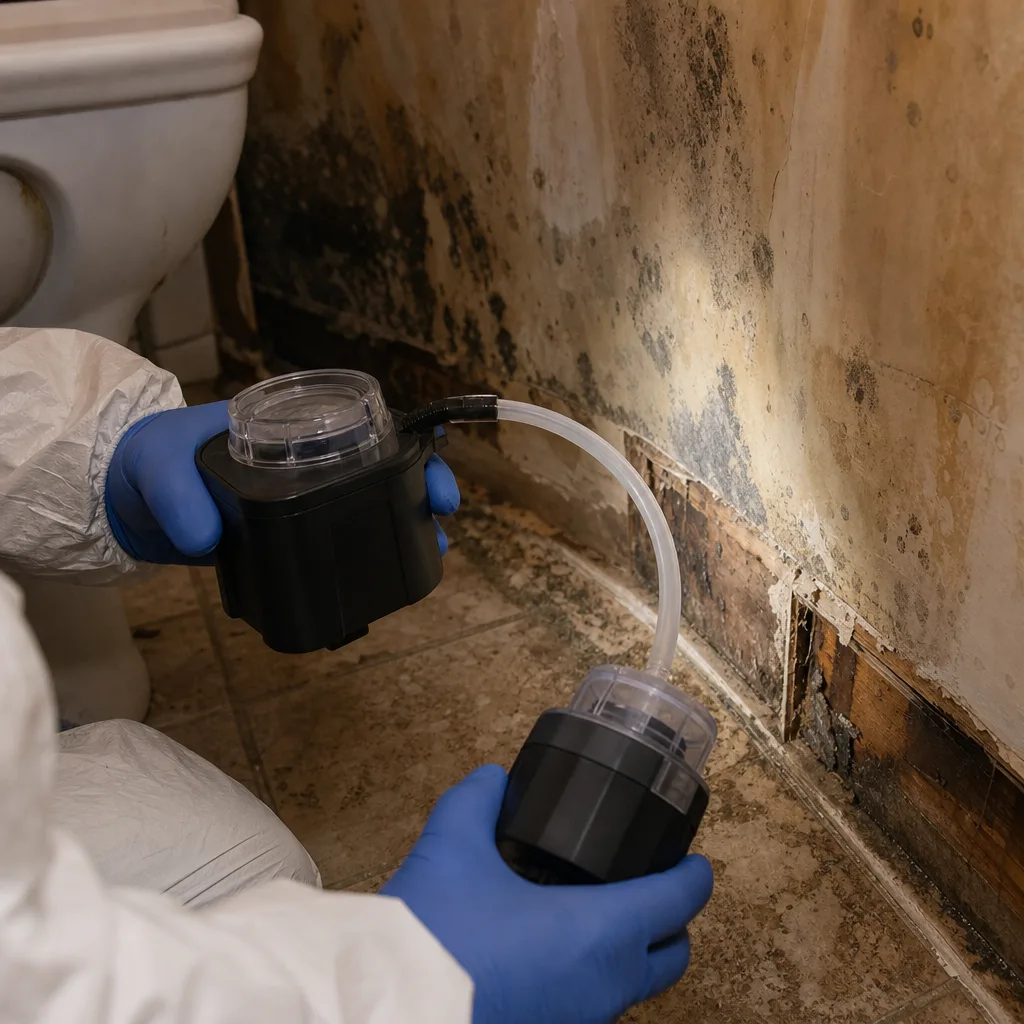
- Assuming visible dryness equals actual dryness. In Summerlin’s climate, surfaces dry rapidly while cavities remain wet. We regularly find 20%+ wood moisture content behind drywall that appears and feels dry to touch. The only valid assessment is instrumented measurement.
- Using household bleach on mold. Bleach is 90% water and can worsen mold problems by adding moisture without killing hyphae in porous materials. In Summerlin’s warm conditions, this accelerates rather than controls amplification. Proper remediation requires containment, negative air, and appropriate biocides.
- Filing an insurance claim after beginning DIY repairs. Once you’ve removed materials or dried surfaces without documentation, you’ve destroyed the evidence adjusters need to scope the loss. The correct sequence: document, notify insurer, obtain professional assessment, then proceed with approved scope.
- Ignoring HOA notification requirements. Summerlin’s master associations and village associations have varying requirements for restoration work affecting building exteriors, common walls, or visible from the street. Failure to notify can result in stop-work orders and fines that complicate insurance coordination.
- Renting inadequate dehumidification. Big-box store dehumidifiers remove 30-50 pints per day. A professional LGR (low-grain refrigerant) dehumidifier removes 130-200 pints per day, and is required to reach the low specific humidity that Summerlin’s tight construction demands for true drying.
- Rebuilding before verification. The most expensive single mistake: installing new drywall, flooring, or cabinets over materials that have not been verified dry to IICRC standards. When moisture manifests later, everything installed must be removed and replaced at full cost.
- Accepting verbal assurances instead of written scope. Any contractor who will not provide a written price before work begins, with specific line items and warranty terms, is not operating to the standard your insurance requires. Haven Standard, Clause 1 exists precisely to end this practice.
When to Call a Professional
Call a professional immediately when: the water source is unknown or potentially contaminated; water has reached wall cavities, ceilings, or subflooring; you have filed or intend to file an insurance claim; the affected area exceeds 10 square feet; or anyone in the home has respiratory conditions, immune compromise, or chemical sensitivity. These are not judgment calls. They are conditions where documentation requirements, health risks, or structural exposure make professional handling mandatory. Use our Water Damage Restoration Maintenance Checklist for Summerlin Homeowners to stay prepared.
DryMark Restoration Summerlin offers free estimates in Summerlin. Our process begins with a documented inspection, instrumented moisture mapping, and a written scope with pricing before any work begins. Call (725) 216-2692. A live person answers every call, 24 hours a day, 7 days a week, with no voicemail on emergency lines. Every job is covered by our 365-Day Done Right Promise under The Haven Standard, and we provide a Free Second Opinion on any competitor’s written estimate at no charge.
Frequently Asked Questions
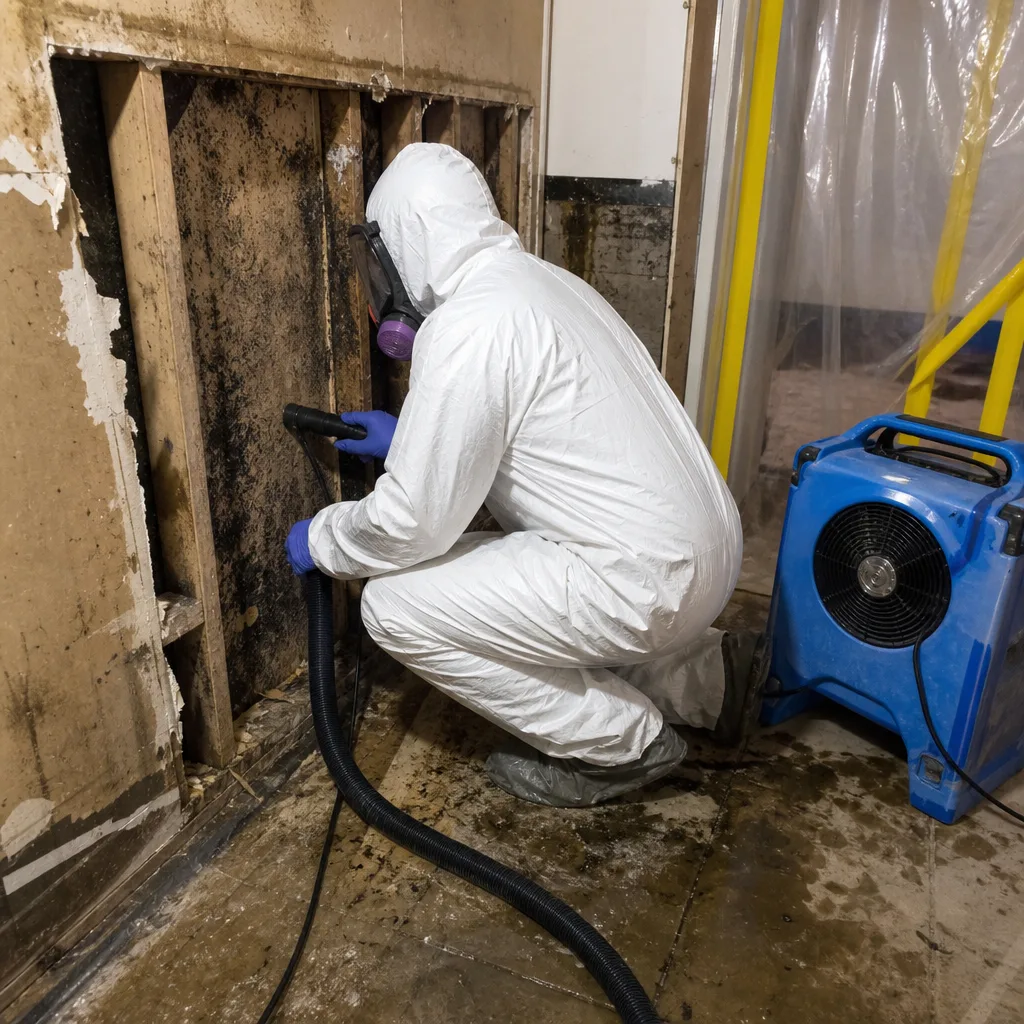
Your insurer will know if you file a claim and cannot produce the documentation they require. Standard HO-3 policies do not prohibit DIY work, but they do require “reasonable repairs by qualified persons” for structural and contaminated water losses. Without moisture logs, drying records, and contractor warranty, your claim will be reduced or denied, and you will be asked to sign a reservation of rights for future related claims. Call (725) 216-2692 for a free estimate - our documentation produces clean files that process without dispute.
Our live dispatch answers immediately, and we typically arrive within 60-90 minutes for emergency calls in Summerlin’s core villages. Response time to outlying areas like The Ridges or The Summit may extend to 2 hours depending on traffic and time of day. The critical factor is not our arrival time but what happens when we arrive: immediate moisture mapping with thermal imaging, containment to prevent spread, and a written scope before any equipment runs. For non-emergency assessments, we schedule within 24 hours.
This depends on three measurable factors: the contamination category, the affected square footage, and whether materials are porous or non-porous. Category 1 water on hard surfaces requires cleaning and drying. Category 2 or 3 water, or any water affecting porous materials like drywall, insulation, or carpet pad, requires remediation with documented disposal. We provide a written assessment that specifies exactly which materials must be removed, which can be dried in place, and the IICRC standard that governs each decision. Estimates are free - call (725) 216-2692.
We do, as a standard part of every job. Our documentation, photo records, and daily moisture logs are formatted for direct adjuster submission. We coordinate site visits, answer scope questions, and provide supplemental documentation if the adjuster’s initial estimate is insufficient. This is not an add-on service. It is built into our process because we were founded by a former adjuster who understands what closes claims efficiently. Haven Standard documentation turns restoration invoices into payable claims.
Sometimes, if done correctly and documented properly. Remove only what is clearly damaged and within your skill level. Stop at structural elements, electrical, or plumbing. Document everything with date-stamped photos before and after removal. The professional then handles moisture verification of remaining materials, structural drying, and reconstruction. We will write a limited-scope agreement for this approach, with our warranty covering only the work we perform. Call for a written scope and pricing.
Extreme heat accelerates surface evaporation but can trap moisture in cavities by creating steep vapor pressure differentials. A surface that reads dry at 10 AM may re-wet by 4 PM as attic heat drives moisture inward. Professional drying uses continuous monitoring, not spot checks, and adjusts equipment based on psychrometric data rather than clock time. In Summerlin’s climate, “three days of drying” is meaningless without readings that prove materials have reached IICRC standards at multiple times of day.
The Bottom Line
The DIY versus professional decision in damage restoration is not about your competence with tools. It is about whether your finished work will produce documentation an insurer will accept, a buyer’s inspector will trust, and your own future self will not regret. In Summerlin’s specific climate, where hard water, extreme heat, and monsoon moisture create conditions that accelerate hidden damage, the cost of getting this wrong compounds rapidly. Explore more guides & resources to protect your home.
Small, clean, contained, uninsured losses are appropriate for careful DIY handling with proper monitoring. Everything else requires professional documentation to protect your coverage, your structure, and your home’s value. The framework is simple: know your loss category, measure your square footage honestly, assess structural involvement accurately, and understand your insurance policy’s requirements before you lift a tool.
We have restored 12,000 homes since 2011, every one with a written price before work started and a documented record when the crew left. That documentation is not paperwork. It is the difference between a closed claim and a disputed one, between a dry home and a future mold problem, between a confident sale and a failed inspection.
Written by Alicia Brennan, Owner at DryMark Restoration Summerlin, serving Summerlin since 2011.