
Last updated September 23, 2026
Free visual inspection and a written scope of work before any mitigation begins - photos, moisture readings, and drying logs go in your claim file
The scope we write is the scope we bill. Anything new gets shown to you, in writing, before we touch it.
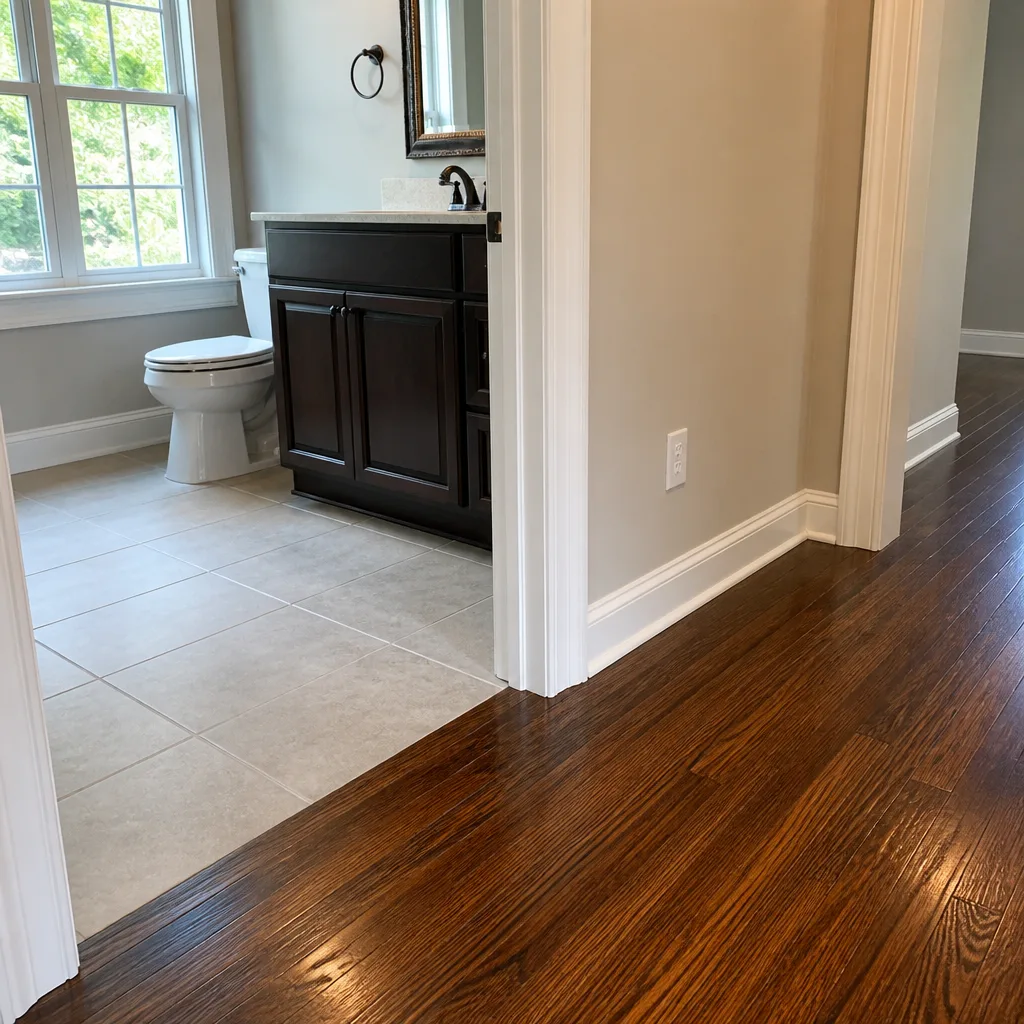
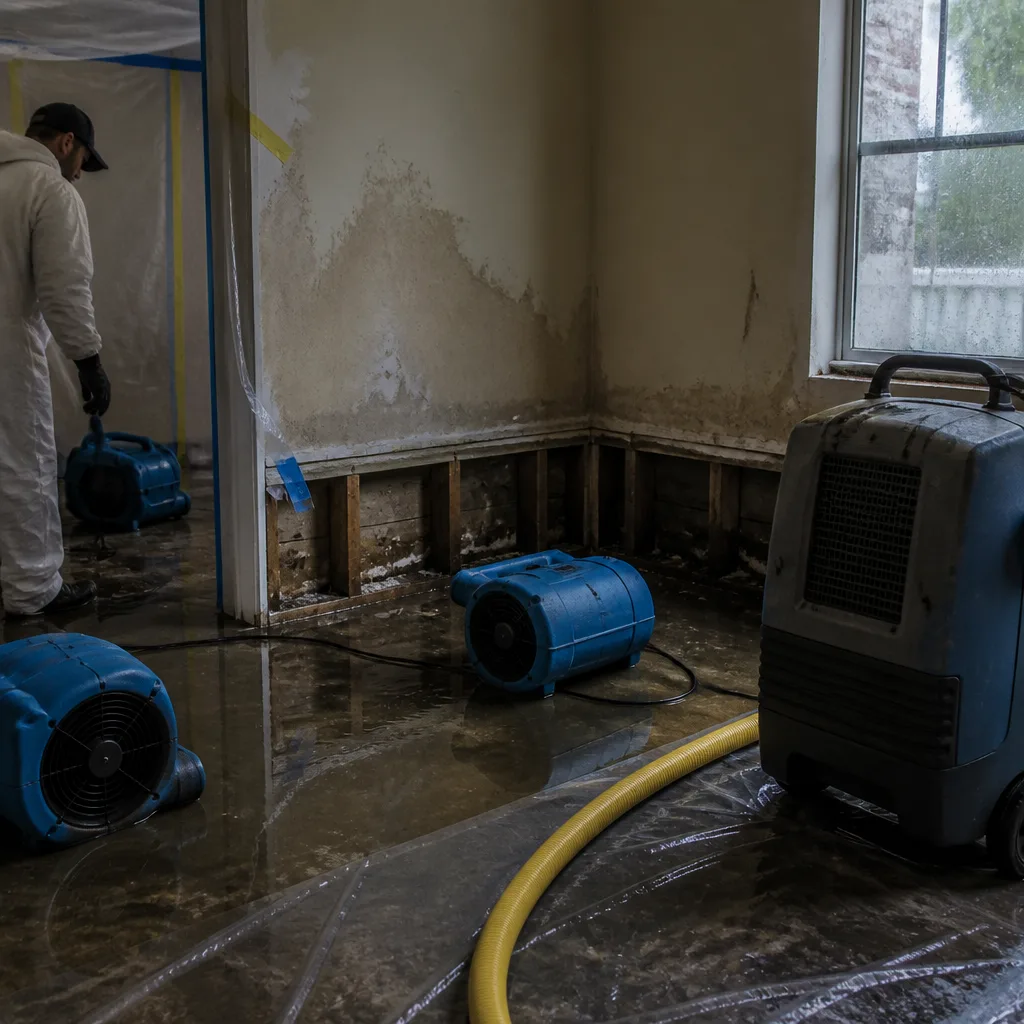 Before
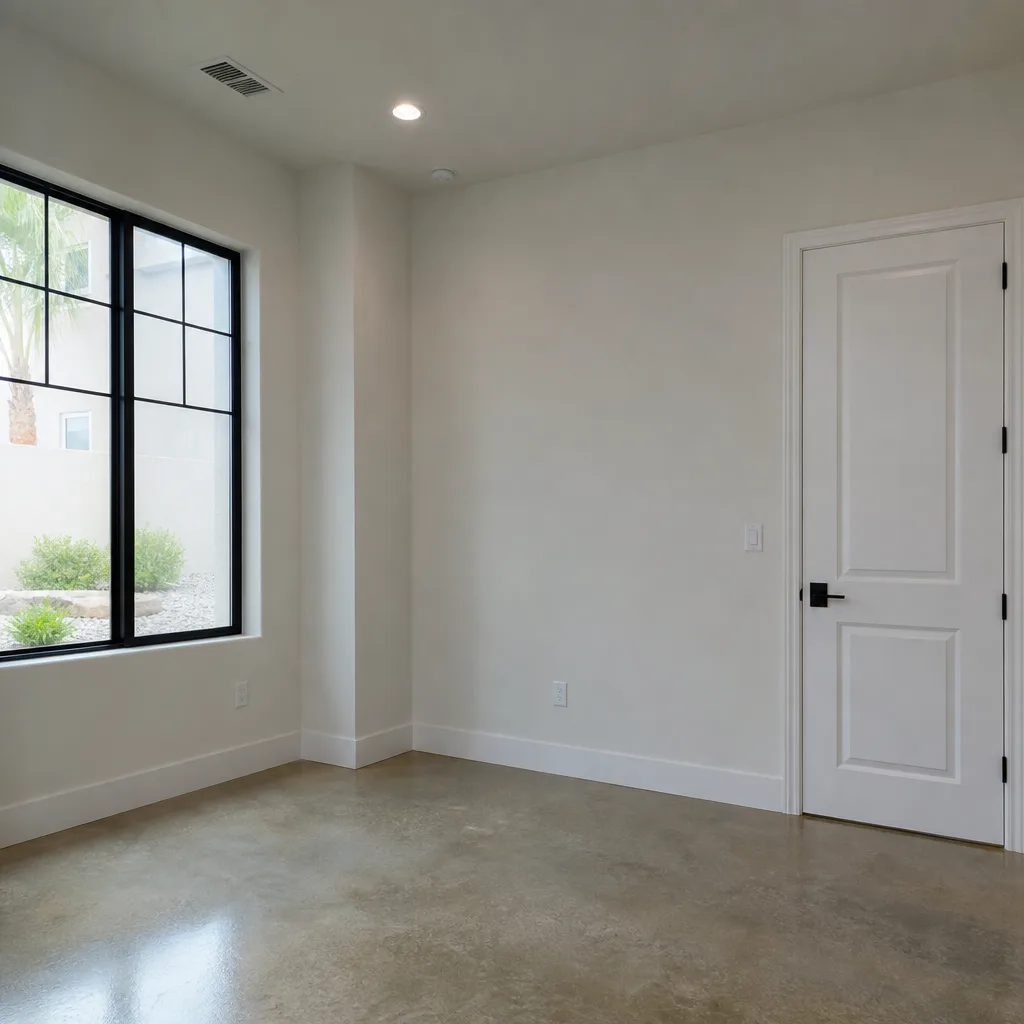 After
After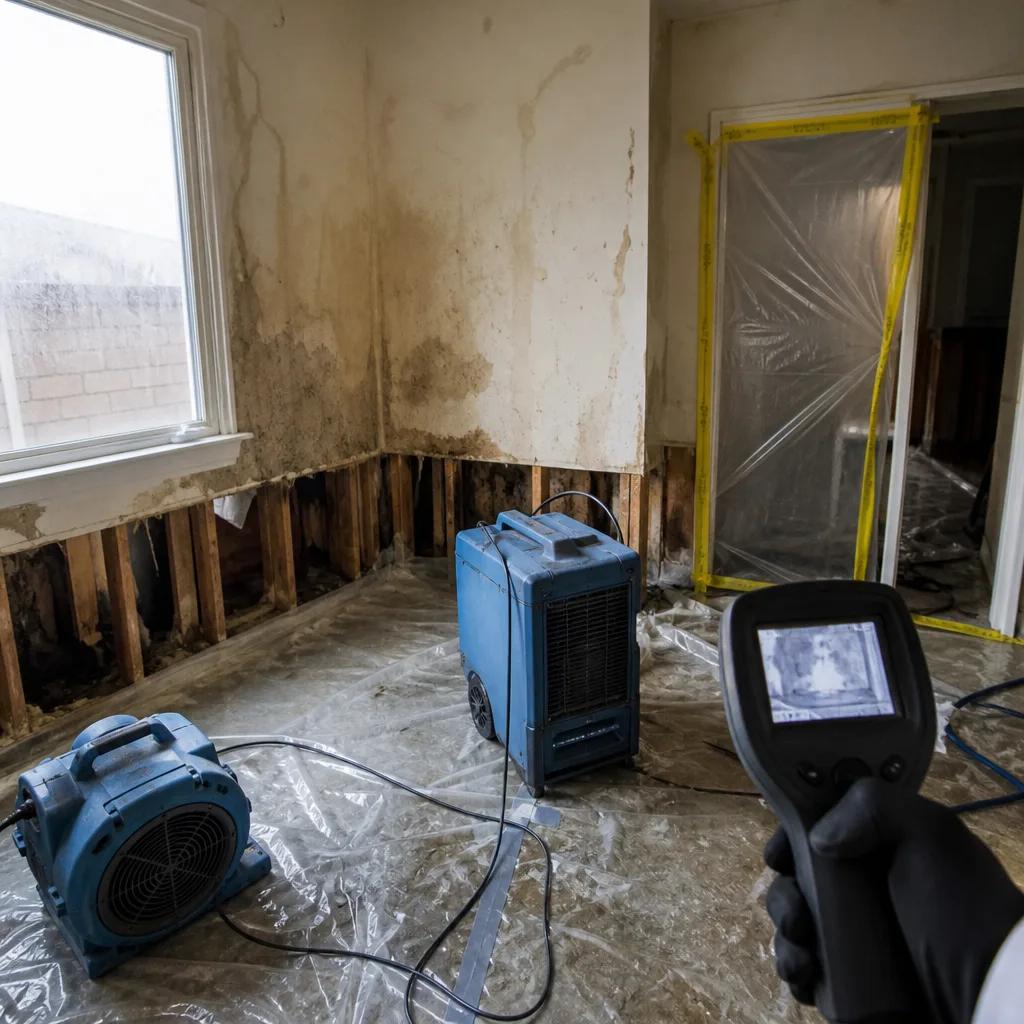 Before
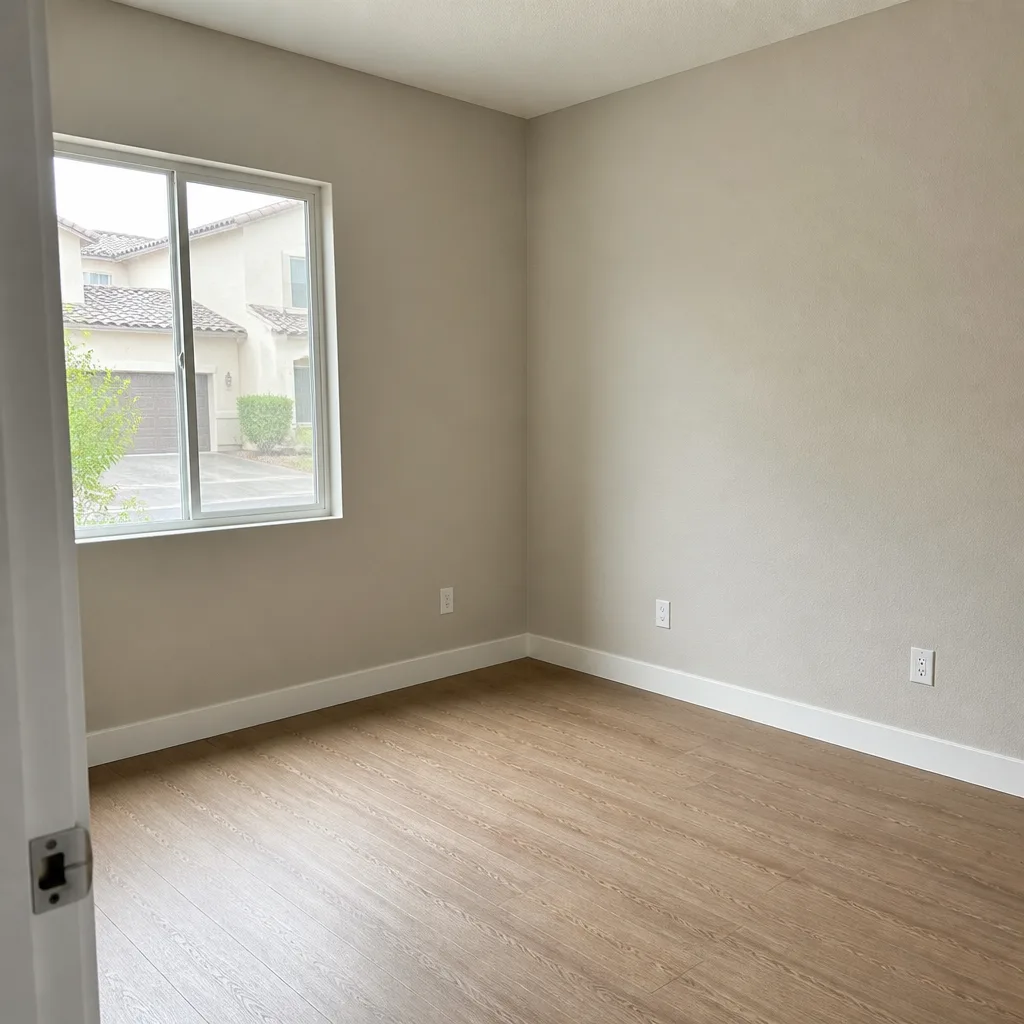 After
After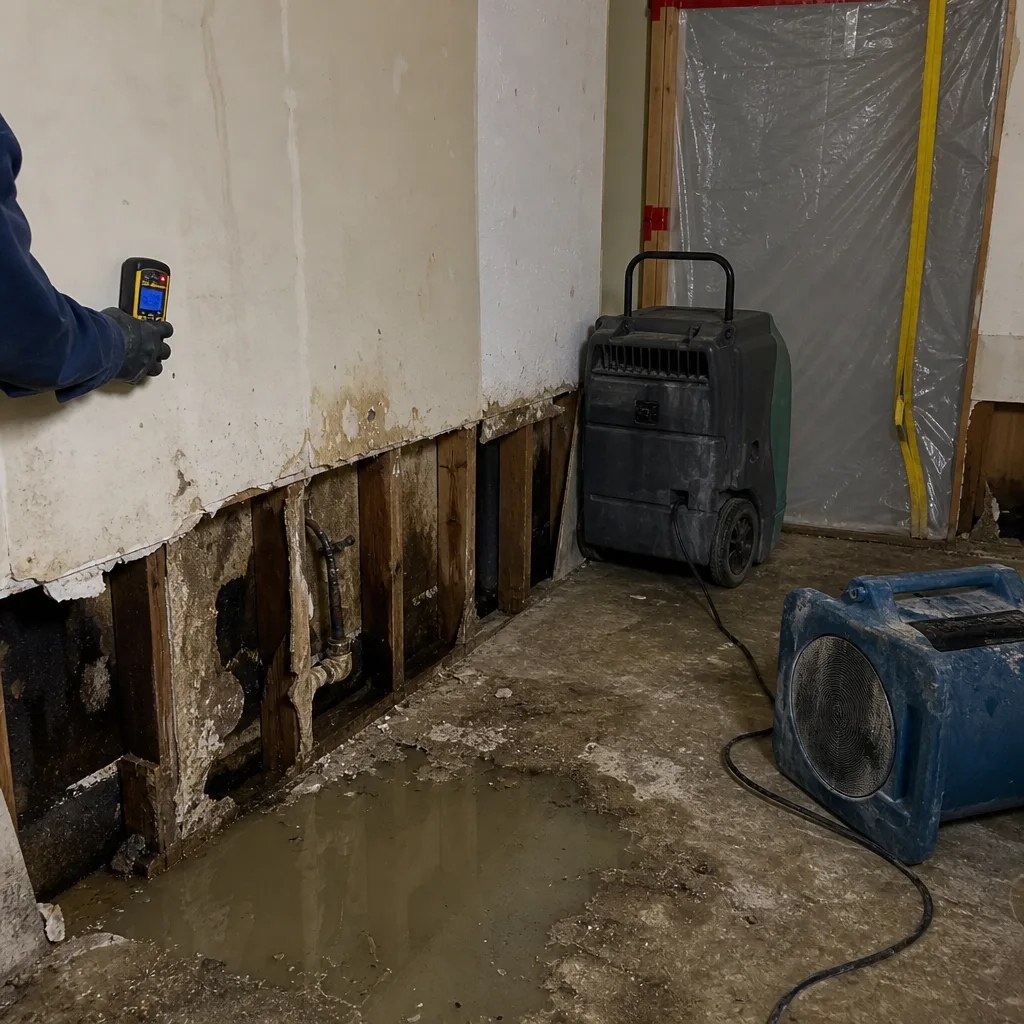 Before
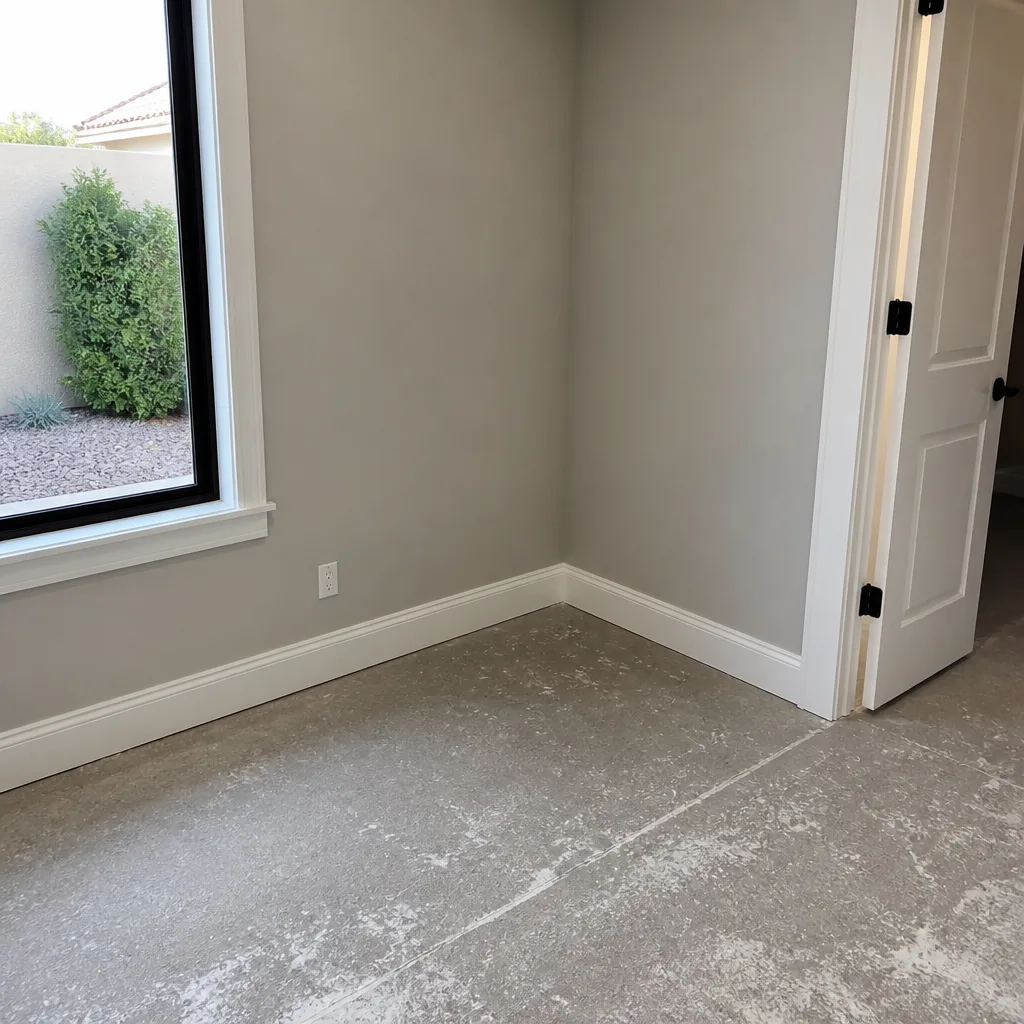 After
AfterDamage Restoration Cost Breakdown: The Summerlin Homeowner’s Reference for 2026
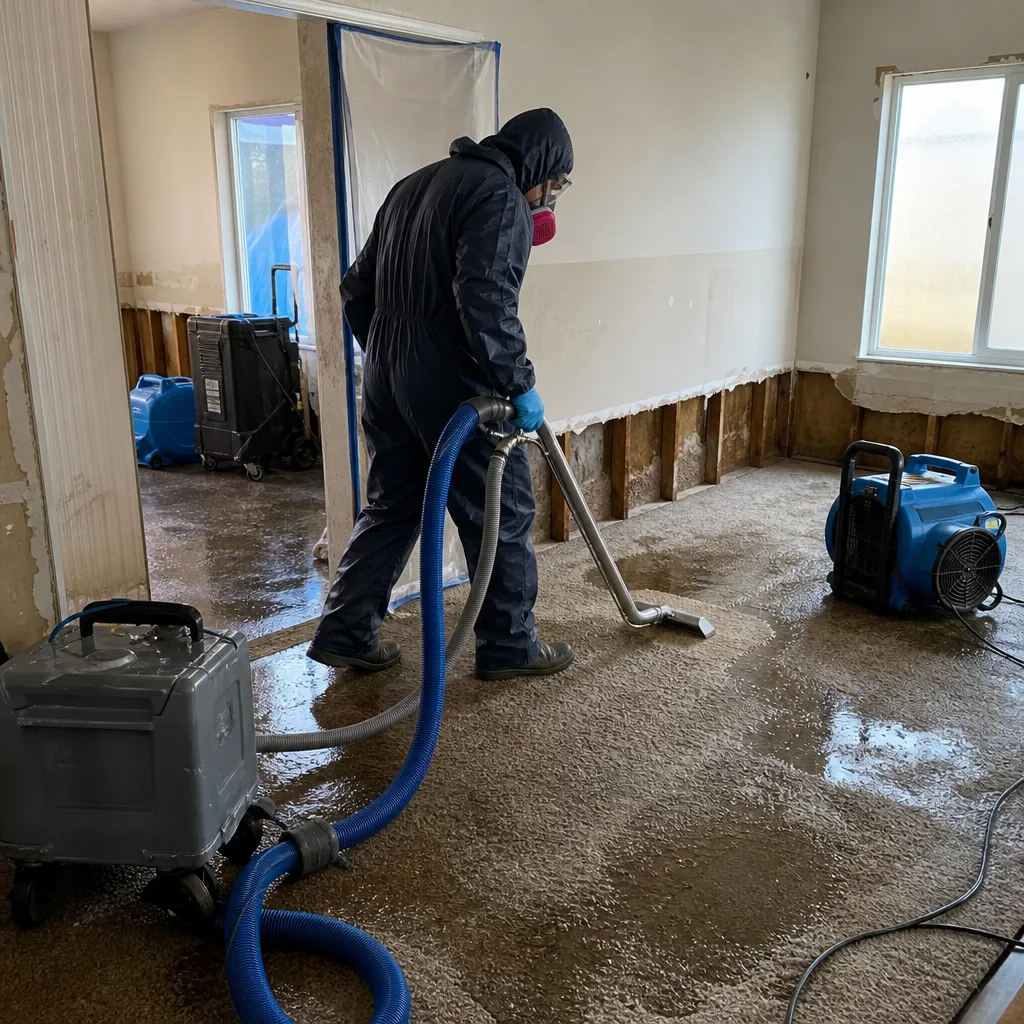
The most expensive line on a restoration invoice is rarely the one that gets disputed. In our experience handling claims across Summerlin, adjusters zero in on drying equipment charges - the line items where contractors without daily logs have no defense. A $2,400 equipment bill can get cut to $800 overnight if the psychrometric readings aren’t documented. This guide breaks what restoration actually costs in Summerlin’s market, phase by phase, and shows which documentation turns each line item into a paid claim rather than a phone fight with your insurer. For damage restoration warning signs every Summerlin homeowner should know, see our companion reference.
Quick Answer
Water damage restoration in Summerlin typically runs $3,200-$8,500 for a standard single-family mitigation and drying job, with reconstruction adding $12-$28 per square foot depending on finish level. Fire and smoke restoration starts around $4,500 for light damage and exceeds $25,000 for structural involvement. The final invoice depends on water category, affected square footage, and whether your contractor produces daily drying logs and photo documentation that satisfy Nevada insurance review standards.
Table of Contents
- Why Summerlin Restoration Costs Differ from National Averages
- Phase-by-Phase Cost Breakdown: From Emergency Call to Final Walkthrough
- The Equipment Billing Standard: What IICRC S500 Actually Requires
- Category 1 vs. Category 3: The Real Cost Gap at Identical Square Footage
- Which Line Items Nevada Insurers Flag Most - and How to Document Them
- Reading a Restoration Invoice: Fields That Get Paid vs. Fields That Get Cut
- Reconstruction Pricing in Summerlin’s Desert Construction Market
- Common Mistakes to Avoid
- When to Call a Professional
- Frequently Asked Questions
- The Bottom Line
BeforeAfterWhy Summerlin Restoration Costs Differ from National Averages
Summerlin sits at the edge of the Mojave Desert with construction norms shaped by extreme heat, low humidity, and building codes written for flash-flood and wildfire exposure. These factors push restoration pricing in directions that national cost databases rarely capture accurately.
Labor rates in Clark County run 12-18% above the national median for skilled trades, driven by union scale requirements in many commercial buildings and the tight residential contractor pool. Material costs reflect desert-specific specifications: moisture barriers, vapor retarders with perm ratings suited to 4% ambient humidity, and fire-resistant sheathing that exceeds standard OSB pricing by 20-30%. When we scope a job in The Ridges versus one in Summerlin Centre, the same square footage can yield different material specifications based on HOA architectural requirements and the original builder’s grade.
Insurers operating in Nevada - particularly those handling high-value Summerlin properties - have developed documentation expectations that exceed what we see in Phoenix or Tucson markets. The Nevada Division of Insurance has issued multiple bulletins on water damage claim handling since 2019, and adjusters here are trained to request daily moisture logs, equipment serial numbers, and photo timestamps before approving extended drying periods.
Climate also affects drying strategy. Summerlin’s 110°F July days and 15% relative humidity can accelerate surface drying while masking trapped moisture in wall cavities. We’ve seen contractors declare jobs “dry” based on exterior readings while interior vapor pressure differential readings still show active migration. That mistake - skipping the invasive probing that IICRC S500 requires in low-humidity climates - leads to callbacks, mold claims, and reconstruction costs that dwarf the original invoice.
The bottom line: a restoration estimate built on national averages will misbudget your actual cost by 15-40% in this market. The sections below use Summerlin-specific labor and material benchmarks from our 2025-2026 project data.
Phase-by-Phase Cost Breakdown: From Emergency Call to Final Walkthrough
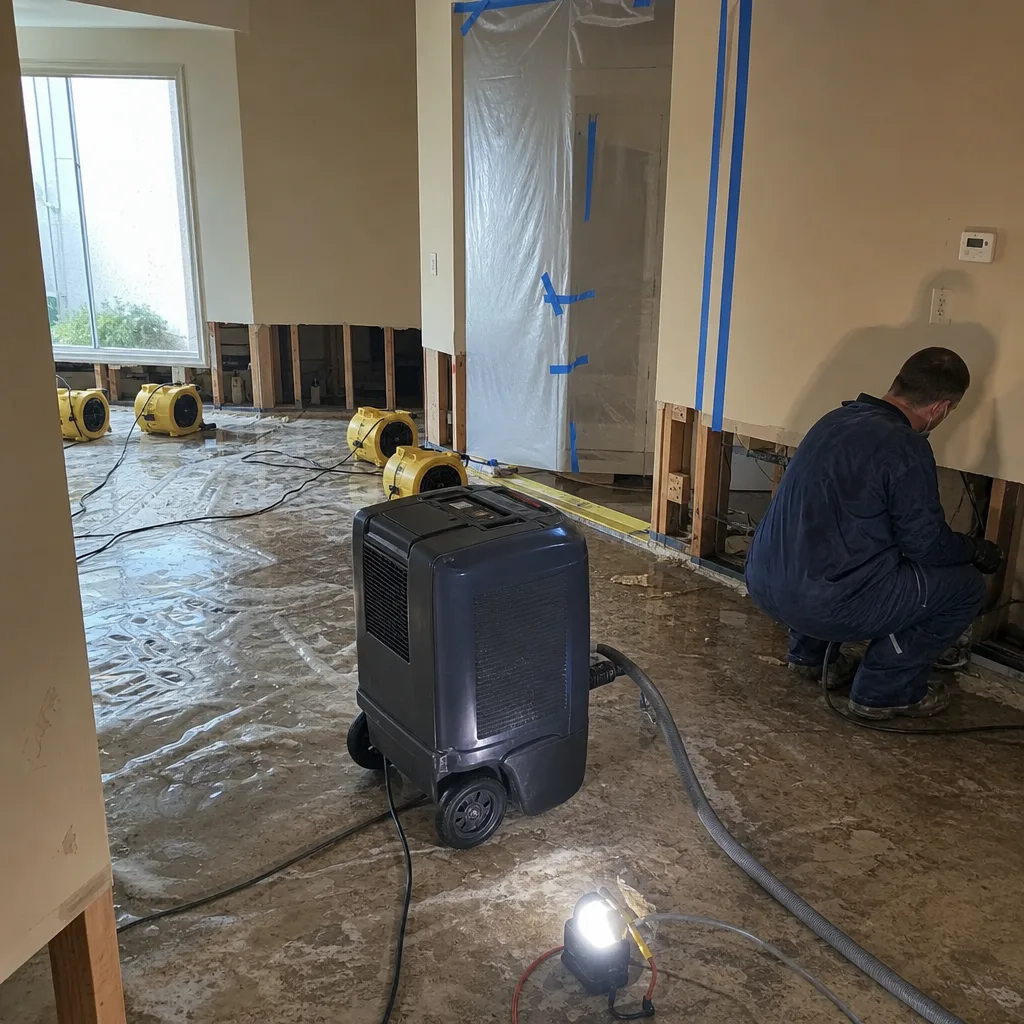
Restoration invoices divide into distinct phases, each with its own pricing logic and documentation requirements. Understanding where your money goes - and what paperwork justifies each phase - prevents the sticker shock that leads homeowners to accept underbids from undocumented contractors. Our DIY vs professional damage restoration guide for Summerlin homeowners explains when self-help stops being safe.
Phase 1: Emergency Mitigation (Hours 0-24)
This is extraction, containment, and initial stabilization. Pricing in Summerlin runs:
- Water extraction (standing water): $1.20-$2.10 per square foot, depending on depth and contamination level
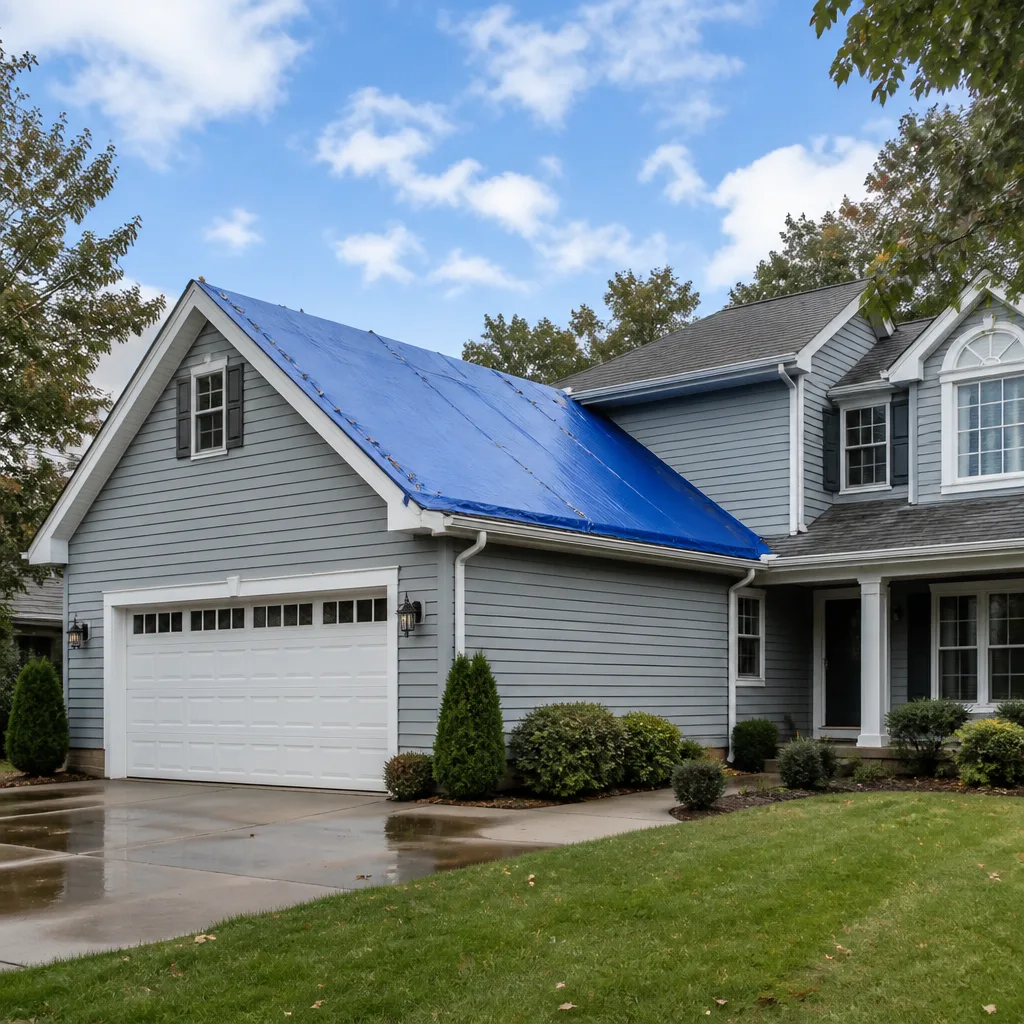
- Emergency board-up/tarping (storm or fire): $350-$850 per opening, including materials
- Containment barrier installation (mold or Category 3): $2.50-$4.00 per linear foot of poly barrier
- Initial moisture mapping and documentation: $280-$450 flat fee
- After-hours emergency callout premium: $180-$320 (applies to calls between 8 PM and 6 AM)
Mitigation is where speed matters, and where undocumented contractors often cut corners. A proper moisture map in Summerlin’s climate requires thermal imaging to identify evaporative cooling patterns that indicate hidden moisture, plus penetrating probes at 16-inch intervals on suspect walls. The $280-$450 documentation fee buys the baseline data that justifies every subsequent line item.
Phase 2: Drying and Dehumidification (Days 1-5, typically)
This is where equipment charges accumulate and where adjusters focus their scrutiny. Summerlin pricing:
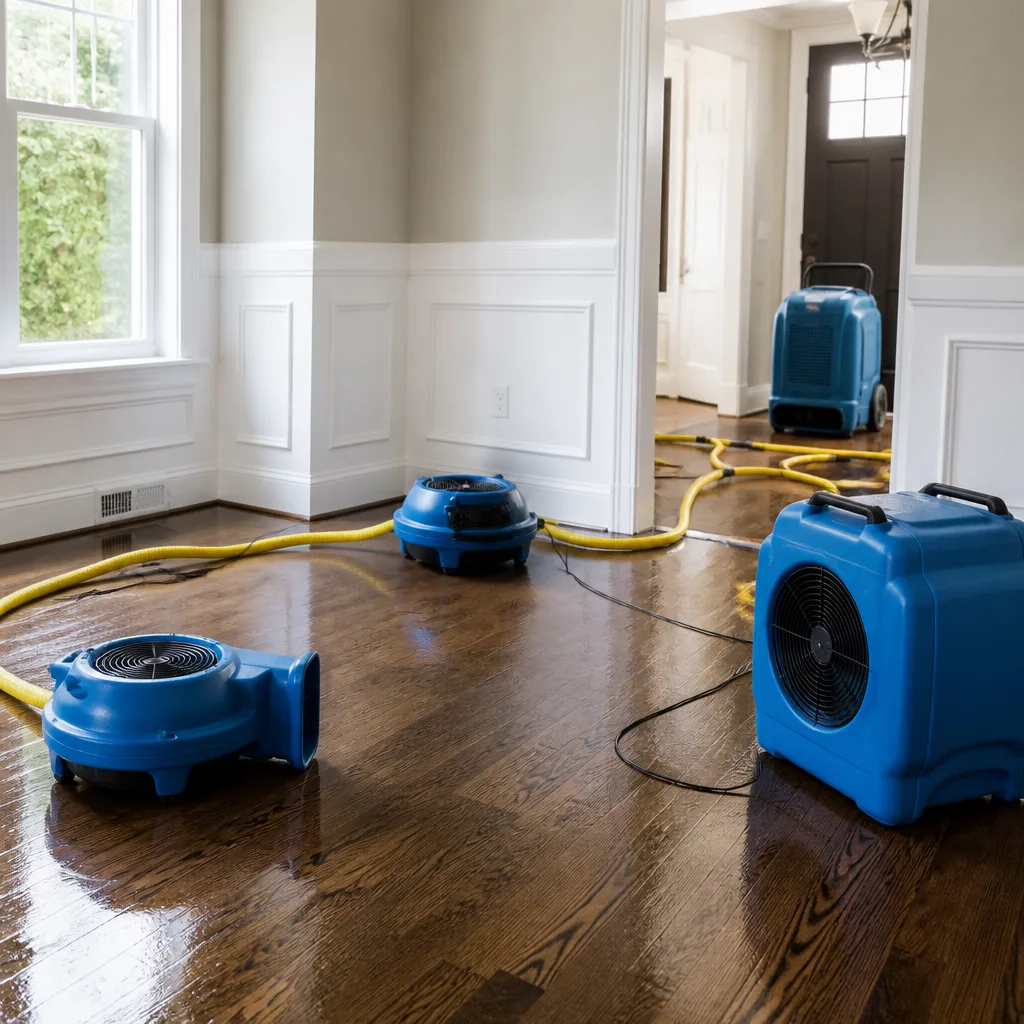
- Air movers (Dri-Eaz Velo or Phoenix AirMax): $28-$38 per unit, per day
- Low-grain refrigerant dehumidifiers (Dri-Eaz LGR 7000XLi or equivalent): $55-$75 per unit, per day
- Desiccant dehumidifiers (needed for hardwood or low-permeance assemblies): $85-$120 per unit, per day
- Injectidry hardwood floor drying system: $145-$195 per day, plus $45-$65 per panel
- Air scrubbers/negative air machines (HEPA): $35-$48 per unit, per day
- Daily monitoring and psychrometric logging: $95-$140 per visit
A typical 2,000-square-foot Summerlin home with Category 1 water damage requires 6-8 air movers, 2-3 LGR dehumidifiers, and daily monitoring for 3-4 days. Equipment and monitoring alone: $1,800-$3,200. Without daily logs showing specific humidity, temperature, and vapor pressure readings, adjusters routinely cut this phase by 30-50%.
Phase 3: Demolition and Disposal (Days 2-4, overlapping with drying)
Selective demolition removes unsalvageable materials while preserving structural elements and finish materials that drying can save. Summerlin costs:
- Controlled demolition (drywall, insulation, flooring): $2.80-$4.50 per square foot of affected area
- Contents manipulation and protective storage: $450-$750 per room
- Hazardous material disposal (Category 3 or fire residue): $85-$140 per cubic yard
- Post-demolition HEPA vacuum and antimicrobial application: $1.20-$1.80 per square foot
In Summerlin’s 1990s-2000s housing stock - particularly in neighborhoods like The Trails and Willow Creek - we regularly find asbestos-containing texture coats on ceilings installed before 1990. Testing adds $180-$280 per sample with 24-hour turnaround, and abatement, if needed, runs $15-$25 per square foot. Contractors who skip testing to save time create liability that can void insurance coverage.
Phase 4: Reconstruction and Final Finish (Weeks 2-6)
Reconstruction is scoped, scheduled, and priced in writing before work begins - never rushed like emergency mitigation. Summerlin pricing by finish level:
- Basic reconstruction (builder-grade materials, minimal matching requirements): $12-$16 per square foot
- Mid-grade reconstruction (matching existing Summerlin standard finishes): $18-$24 per square foot
- High-grade reconstruction (custom finishes, The Ridges/Red Rock Country Club standards): $26-$38 per square foot
Material lead times in Summerlin currently run 2-4 weeks for custom cabinetry and 1-2 weeks for flooring that matches existing installations. These timelines affect temporary living expense coverage, so we document them in writing for adjuster review.
The Equipment Billing Standard: What IICRC S500 Actually Requires
The Institute of Inspection, Cleaning and Restoration Certification (IICRC) S500 Standard sets the protocol for water damage restoration, including equipment deployment and billing justification. Most disputes we see stem from contractors who deploy equipment without following the standard’s documentation requirements, then bill for days when the equipment was running but not actively contributing to drying.
IICRC S500 requires equipment billing to follow these principles:
- Initial deployment is justified by moisture mapping. The number of air movers must follow the standard’s formula: one per 50-60 square feet of affected wet floor area in Class 1 and 2 losses, with adjustments for Class 3 and 4 based on evaporation potential. We document this calculation in our written scope.
- Dehumidifier capacity must match the dehumidification requirement in pints per day. This is calculated from the cubic feet of affected space, the Class of water loss, and the specific humidity differential. We show this math in our drying logs.
- Equipment remains billable only while it is actively reducing moisture content. Daily psychrometric readings - specific humidity, temperature, vapor pressure, and material moisture content - must demonstrate progress. If readings plateau, equipment must be reconfigured or removed.
- Each piece of equipment is identified by serial number in the daily log. This prevents the common fraud of billing for equipment that was never on site, or billing for the same dehumidifier across multiple jobs simultaneously.
The legitimate billing structure is per unit, per day, with daily readings. We see two common overbilling patterns in Summerlin: charging “per job” flat rates that exceed what per-day billing would produce, and continuing to bill equipment after readings show the drying goal has been achieved. Both patterns are detectable in documentation review and both get denied in Nevada insurance audits.
Our drying logs, produced to IICRC, RIA, and IFA standards, include: equipment serial numbers, placement diagrams, daily specific humidity and temperature readings, material moisture content at probe points, vapor pressure differential calculations, and technician signature with license number. This is the documentation that turns equipment charges from disputed line items into paid claims.
Category 1 vs. Category 3: The Real Cost Gap at Identical Square Footage
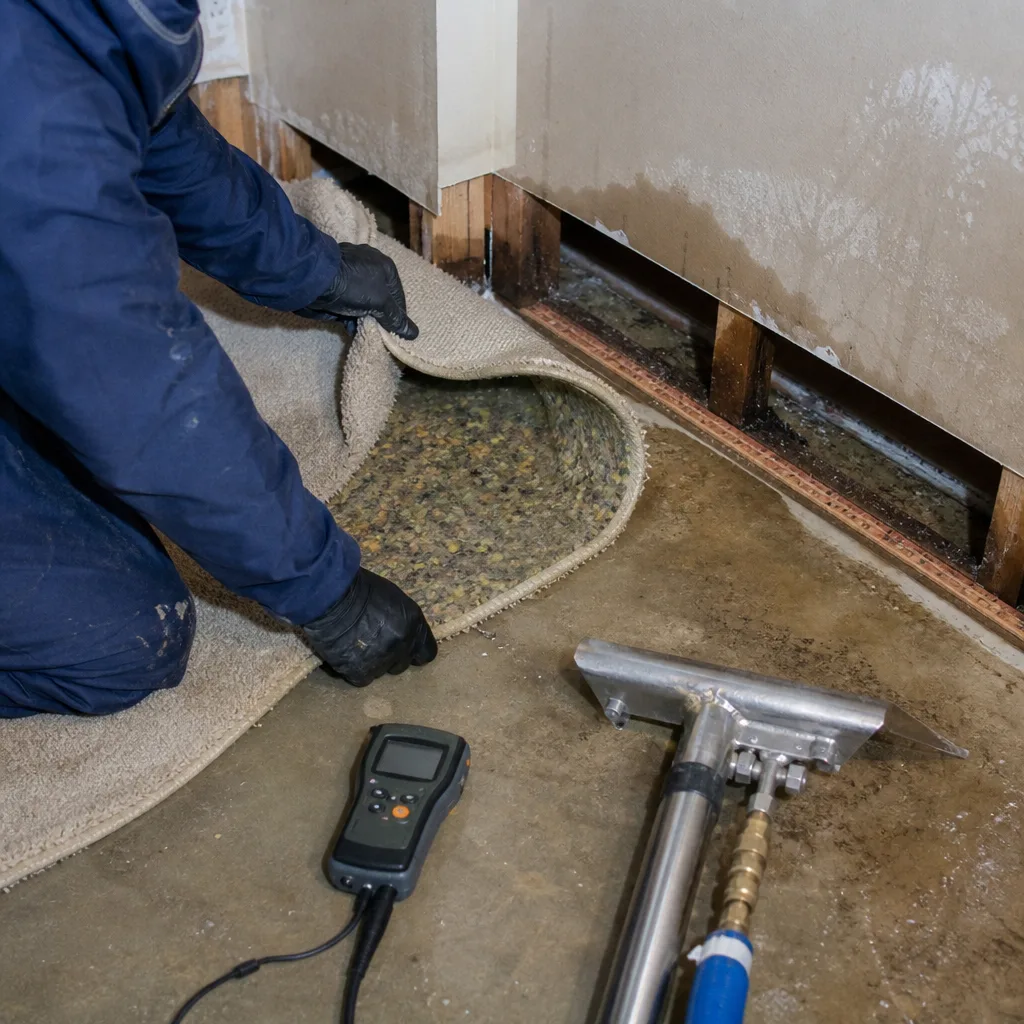
Water damage is classified by contamination level, and this classification drives cost differences that surprise many Summerlin homeowners. The same 1,500 square feet can produce radically different invoices depending on water source.
Category 1 (Clean Water): Originates from sanitary sources - supply line breaks, tub overflows without contaminants, melting ice. Mitigation and drying in Summerlin: $3,200-$5,800 for 1,500 square feet. Reconstruction: $12-$18 per square foot. Salvage rate for structural materials: 60-75% with prompt response.
Category 3 (Grossly Contaminated Water): Originates from sewage, seawater intrusion, or water that has passed through building materials carrying contaminants. Mitigation and remediation in Summerlin: $7,500-$14,000 for the same 1,500 square feet. Reconstruction: $18-$28 per square foot. Salvage rate: 10-25% - most porous materials must be removed and replaced.
The cost gap comes from multiple factors:
- PPE and containment requirements: Category 3 requires full face respirators, Tyvek suits with sealed seams, and negative air containment. Labor productivity drops 30-40%.
- Material removal depth: Category 1 may allow in-place drying of wall cavities with Injectidry systems. Category 3 requires removal of drywall to 24 inches above the visible water line minimum, and often full wall removal.
- Antimicrobial and biocide application: Category 3 requires EPA-registered disinfectants applied in sequence, with dwell-time documentation. This adds $1.50-$2.50 per square foot.
- Subfloor and structural treatment: Category 3 water in Summerlin’s concrete slab-on-grade construction often requires slab sealing with antimicrobial penetrating treatments before reconstruction - $2.80-$4.50 per square foot.
- Contents handling: Category 3 contamination typically requires contents to be packed out, cleaned off-site, or disposed. This adds $1,200-$3,500 per room versus on-site protective covering for Category 1.
- Air quality verification: Category 3 jobs require post-remediation verification by independent hygienist before reconstruction begins - $450-$750 in Summerlin.
We’ve handled Category 1 losses in Peccole Ranch that stayed under $4,000 total, and Category 3 losses in The Vistas with identical square footage that exceeded $18,000. The difference was not the water volume. It was the contamination classification and the reconstruction depth it required.
Which Line Items Nevada Insurers Flag Most - and How to Document Them
Nevada adjusters, particularly those handling high-value Summerlin properties, have developed specific documentation triggers. Understanding these triggers prevents the payment delays that can leave contractors unpaid and homeowners facing lien threats.
Most-Flagged Line Items
- Extended drying beyond 72 hours. Adjusters require daily psychrometric logs showing progressive moisture reduction. Without readings, day 4+ equipment gets denied.
- Dehumidifier count exceeding formula. S500 provides a calculation; deviations require written justification with vapor pressure data.
- Antimicrobial application on Category 1 losses. This is only justified if mold pre-existed or if drying was delayed beyond 48 hours. We document the delay cause.
- Contents manipulation charges without photo inventory. Every moved item needs a photo, a condition note, and a location record.
- Overtime labor rates. Nevada requires time-stamped photos showing work performed after hours to justify premium rates.
- Hardwood floor drying system (Injectidry). Adjusters want moisture readings showing the floor was salvageable, and daily readings showing progress. Without them, replacement is deemed more cost-effective and the system charge is denied.
The documentation that eliminates disputes before they start:
- Photo record on every visit, with timestamps and GPS metadata
- Written scope with line-item pricing, signed by homeowner before work begins (Haven Standard, Clause 1)
- Daily drying logs with psychrometric data, equipment serial numbers, and technician signature
- Independent hygienist clearance on Category 3 and mold jobs
- Material invoices with delivery tickets for reconstruction phases
Our Water Damage Restoration in Summerlin process produces these documents as standard deliverables, not upsells. The photo record alone - typically 80-150 images per job - has reduced our adjuster disputes by 70% since we implemented mandatory documentation in 2013.
Reading a Restoration Invoice: Fields That Get Paid vs. Fields That Get Cut
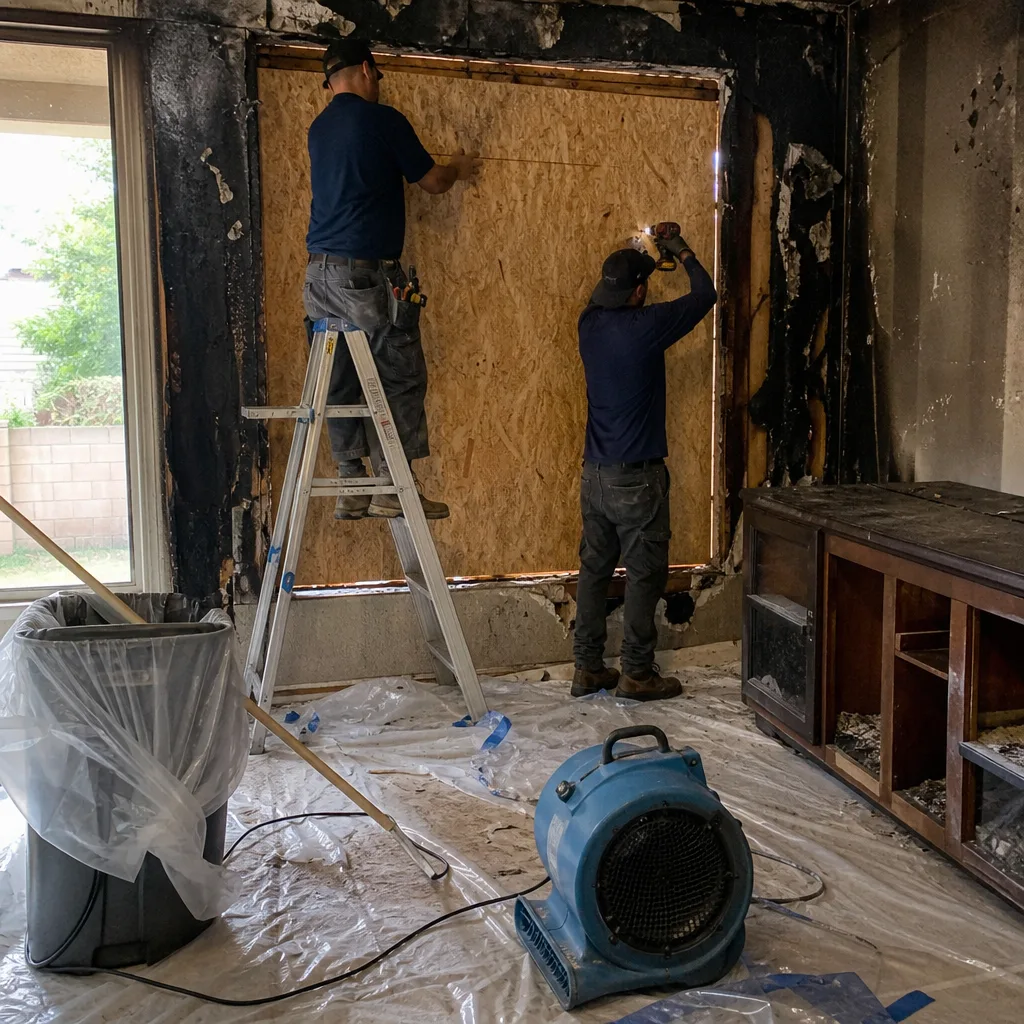
We review competitor estimates weekly through our Free Second Opinion service, and the pattern is consistent: the same work gets priced similarly, but the estimate that gets paid is the one with complete fields. Below is an annotated sample showing critical fields.
Sample Line Item: Air Mover Deployment
Poor documentation (gets cut):
- Air movers: 6 units x 4 days = $912
Complete documentation (gets paid):
- Air movers (Dri-Eaz Velo Pro, SN: VLP-28471 through VLP-28476): 6 units deployed per IICRC S500 formula (2,400 sq ft affected Class 2 / 400 sq ft per unit = 6 units). Daily psychrometric readings: Day 1 GPP 85, Day 2 GPP 62, Day 3 GPP 44, Day 4 GPP 31 (target achieved, removed). $34/unit/day x 6 units x 4 days = $816. Technician: [Name], License #[verified].
The difference is not the price. It’s the defense. Every field serves a purpose:
- Equipment model and serial number: Proves the equipment existed and was on site
- Deployment justification: Shows the calculation, not arbitrary selection
- Daily readings with trend: Proves the equipment was actively contributing to drying
- Removal criteria: Shows the job was not prolonged for billing purposes
- Technician identification: Creates accountability and enables license verification
Fields that adjusters treat as mandatory in Nevada but contractors often leave blank:
- Water category and classification (Class 1-4) with justification
- Initial moisture content readings with probe locations
- Equipment deployment formula reference
- Daily specific humidity and temperature (not just “dry”)
- Antimicrobial product EPA registration number and application rate
- Contents inventory with pre-existing damage notation
- Homeowner signature acknowledging scope and pricing before work begins
Haven Standard, Clause 1 requires that written price before work begins. But the invoice that gets paid adds the documentation that proves the work was necessary, properly executed, and completed when readings justified stopping.
Reconstruction Pricing in Summerlin’s Desert Construction Market
Reconstruction is where restoration invoices often surprise homeowners most, because mitigation and drying feel like “fixing the problem” while reconstruction feels like “building back what I already had.” The pricing reflects material specifications, labor markets, and the matching requirements that Summerlin HOAs enforce.
Current Summerlin reconstruction benchmarks:
- Drywall installation and finish (Level 4): $2.80-$3.80 per square foot of wall surface
- Texture matching (skip trowel, knockdown, or orange peel): $1.20-$2.40 per square foot - critical for HOA compliance in master-planned communities
- Paint (primer + two coats, matching existing): $1.80-$2.60 per square foot
- Luxury vinyl plank flooring (mid-grade, installed): $7.50-$11.00 per square foot
- Tile flooring (porcelain, installed with membrane): $12.00-$18.00 per square foot
- Engineered hardwood (acclimated, installed): $14.00-$22.00 per square foot
- Baseboard and trim (MDF, primed): $3.50-$5.50 per linear foot
- Kitchen cabinetry (semi-custom, matching existing profiles): $450-$750 per linear foot
Desert-specific factors that push Summerlin reconstruction above national averages:
Vapor barrier requirements: New construction in Clark County requires specific vapor retarder placement for conditioned spaces. Retrofit reconstruction must match or exceed original specifications, often requiring removal of additional finish material to access and properly seal the envelope.
HOA architectural review: Summerlin’s multiple village associations require pre-approval for exterior changes and maintain strict material palettes. We’ve seen reconstruction delayed 3-6 weeks for HOA review of stucco color matching in The Paseos and Stonebridge. We document these timelines for temporary living expense claims.
Material acclimation: Wood flooring and cabinetry must acclimate to Summerlin’s extreme dryness before installation. Rushing this step produces gaps and failures within one heating season. Proper acclimation adds 5-10 days to schedules but prevents callbacks that would void our 365-Day Done Right Promise.
Our Fire & Smoke Damage Restoration in Summerlin and reconstruction process includes written schedules with material lead times, acclimation periods, and HOA submission timelines - all documented for insurance review.
Common Mistakes to Avoid
- Accepting a verbal estimate for emergency work. Nevada law does not prohibit verbal restoration contracts, but insurers routinely deny portions of undocumented invoices. Haven Standard, Clause 1 exists precisely to end this habit - we provide written pricing before any work begins, every time.
- Delaying the call to document the damage yourself first. Homeowners who spend hours photographing before calling often extend the water migration period. In Summerlin’s dry climate, visible water evaporates quickly while hidden moisture continues wicking. Call first, document simultaneously with the contractor’s photo record.
- Assuming Category 1 stays Category 1. Clean water that sits 48+ hours in Summerlin’s warm wall cavities often degrades to Category 2 or 3 due to microbial growth. The cost difference is substantial. Fast response preserves the category and controls the invoice.
- Ignoring the reconstruction contractor’s material documentation. Insurers pay for “like kind and quality” - but only with invoices proving what was installed. We provide delivery tickets with product specifications as a standard deliverable.
- Not requesting the drying log before final payment. The drying log is your defense if mold appears six months later. We provide it with the final invoice as a matter of course, but homeowners should confirm they’ll receive it.
- Choosing the lowest mitigation bid without checking documentation practices. A $2,800 mitigation with no daily logs can produce a $15,000 mold remediation six months later. The $4,200 bid with complete documentation is cheaper in total cost of risk.
- Failing to verify technician licensing. Nevada requires water damage restoration contractors to hold a C-15 or C-21 license. We provide license numbers and verify them before crews arrive - background-checked, uniformed, and named in your written scope.
When to Call a Professional
Call immediately when: water has reached wall cavities or affected multiple rooms; you smell musty or smoky odors that persist after ventilation; visible mold covers more than 10 square feet; sewage or standing water has been present more than 24 hours; or your insurer has requested documentation you cannot produce. These scenarios require professional-grade equipment, containment, and the documentation standards that Nevada adjusters now expect.
For fire and smoke damage, professional intervention is warranted when: soot has traveled beyond the room of origin; HVAC systems were running during the fire; or synthetic materials burned, producing acidic residues that etch surfaces within 72 hours. Our DryMark Restoration Summerlin home page outlines our full service range.
DryMark Restoration Summerlin offers free estimates in Summerlin - call (725) 216-2692. We also provide a Free Second Opinion on any competitor’s written estimate, reviewing their scope and pricing at no charge. Every estimate we produce includes a written price before work begins, a documented photo record on every visit, and the 365-Day Done Right Promise backed by The Haven Standard. Explore more guides & resources on protecting your Summerlin home.
Frequently Asked Questions
A standard single-family water damage mitigation and drying job in Summerlin runs $3,200-$8,500, with reconstruction adding $12-$28 per square foot depending on finish level and HOA requirements. Category 3 contamination, extensive demolition, or hardwood floor salvage attempts push the total higher. Call (725) 216-2692 for a written estimate specific to your situation - estimates are free.
Most Nevada homeowners policies cover sudden and accidental water damage, but coverage varies for sewage backup, gradual leaks, and mold resulting from maintenance neglect. The key factor is documentation: insurers pay claims with complete photo records, daily drying logs, and written scopes signed before work begins. We produce this documentation to IICRC, RIA, and IFA standards and coordinate directly with adjusters to prevent disputes. Call (725) 216-2692 to review your policy specifics.
Our live phone coverage answers every call, 24 hours a day, 7 days a week, with no voicemail trees. Emergency crews typically arrive within 60-90 minutes for Summerlin addresses during normal dispatch periods. After-hours emergency calls carry a documented premium that we disclose in writing before dispatch. The critical factor is not our arrival time but what happens when we arrive: immediate moisture mapping, equipment deployment with serial-number logging, and photo documentation that starts your claim file correctly.
Category 1 water in a small, contained area with immediate extraction and proper drying equipment can sometimes be handled without professional intervention. However, water that has reached wall cavities, affected multiple rooms, or sat more than 24 hours requires professional-grade detection and drying. The risk of incomplete drying in Summerlin’s climate is not surface mold - it’s hidden moisture migration that produces structural damage and mold six months later, often after insurance filing deadlines have passed. We offer free assessments to determine whether professional intervention is warranted.
Equipment charges vary based on: whether billing is per-unit-per-day with documentation or flat-rate without justification; whether equipment is appropriately sized to the loss (IICRC S500 formula); and whether daily monitoring justifies continued deployment. Contractors who bill flat rates or extend equipment days without readings often charge 40-60% more than documented per-day billing. Our drying logs show exactly when each piece of equipment was deployed, why it was needed, and when readings justified removal.
The 365-Day Done Right Promise, backed by The Haven Standard, guarantees that if any aspect of our work fails due to workmanship or material defect within one year, we return and make it right at no additional cost. This is a signed warranty, not a verbal assurance, and it applies to both mitigation and reconstruction. The promise is stamped on every job file and transferable if you sell your home. We’ve honored 127 warranty calls since 2011, most involving minor settlement cracks in reconstruction that we repaired within 48 hours of notification.
Summerlin’s low humidity (10-20% typical) and high summer temperatures accelerate surface evaporation, which can mislead contractors into declaring jobs dry prematurely. However, this same climate increases vapor pressure differentials that drive moisture deeper into wall cavities before it escapes. Proper drying requires invasive probing and extended dehumidifier deployment to capture this hidden moisture. The result: surface drying happens faster than in humid climates, but complete structural drying may take similar or longer time with proper documentation - never shorter.
The Bottom Line
Restoration costs in Summerlin reflect local labor markets, desert construction specifications, and documentation standards that Nevada insurers enforce more strictly than national averages suggest. The homeowner who understands phase-by-phase pricing, equipment billing justification, and the documentation that prevents disputes controls both the immediate invoice and the long-term claim outcome. The most expensive restoration is the one that gets partially denied for missing paperwork, then requires rework six months later. Written price before work begins, daily drying logs with psychrometric data, photo records on every visit, and a signed warranty - these are not marketing promises at DryMark Restoration Summerlin. They are Haven Standard clauses, practiced on every job since 2011.
Call (725) 216-2692 for a free estimate or Free Second Opinion on any competitor’s written quote. Written pricing before work begins, every time, with no exceptions.
Written by Alicia Brennan, Owner at DryMark Restoration Summerlin, serving Summerlin since 2011.