
Last updated September 23, 2026
Free visual inspection and a written scope of work before any mitigation begins - photos, moisture readings, and drying logs go in your claim file
The scope we write is the scope we bill. Anything new gets shown to you, in writing, before we touch it.
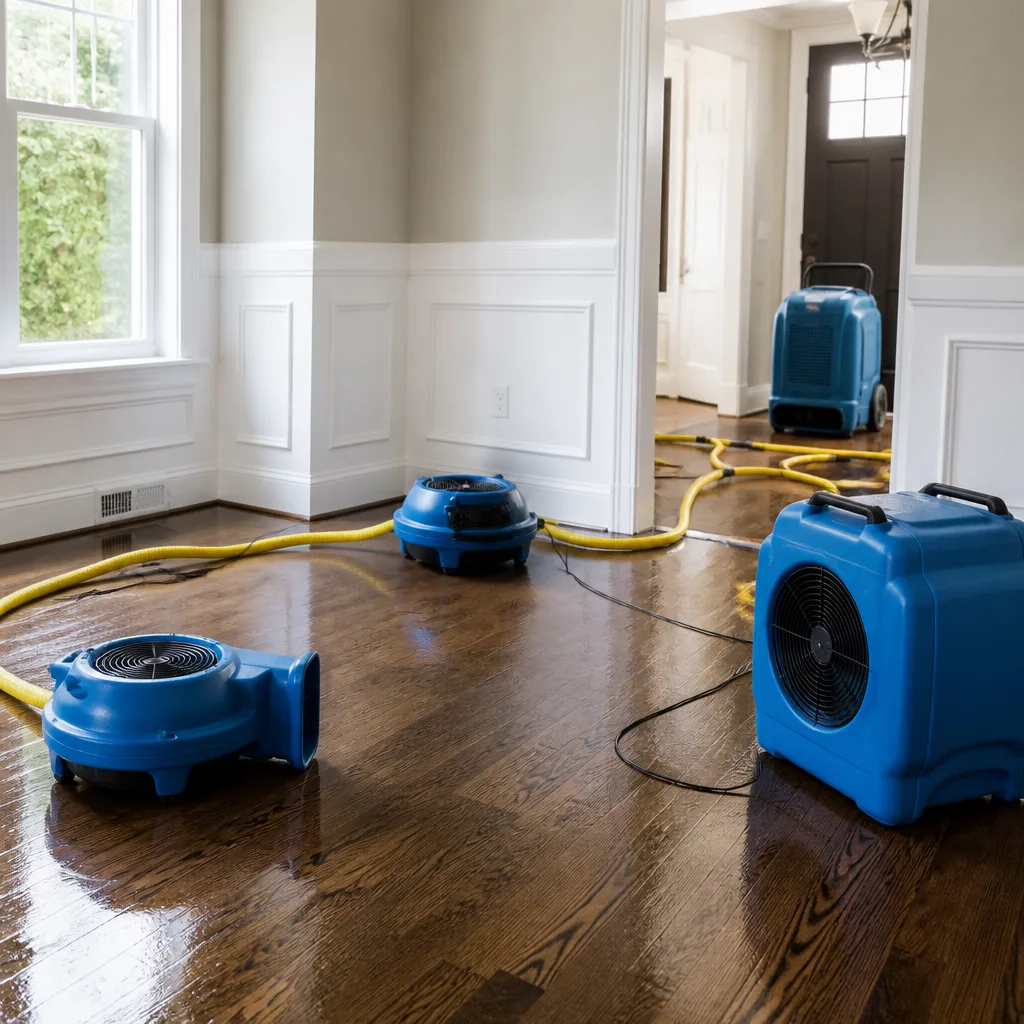
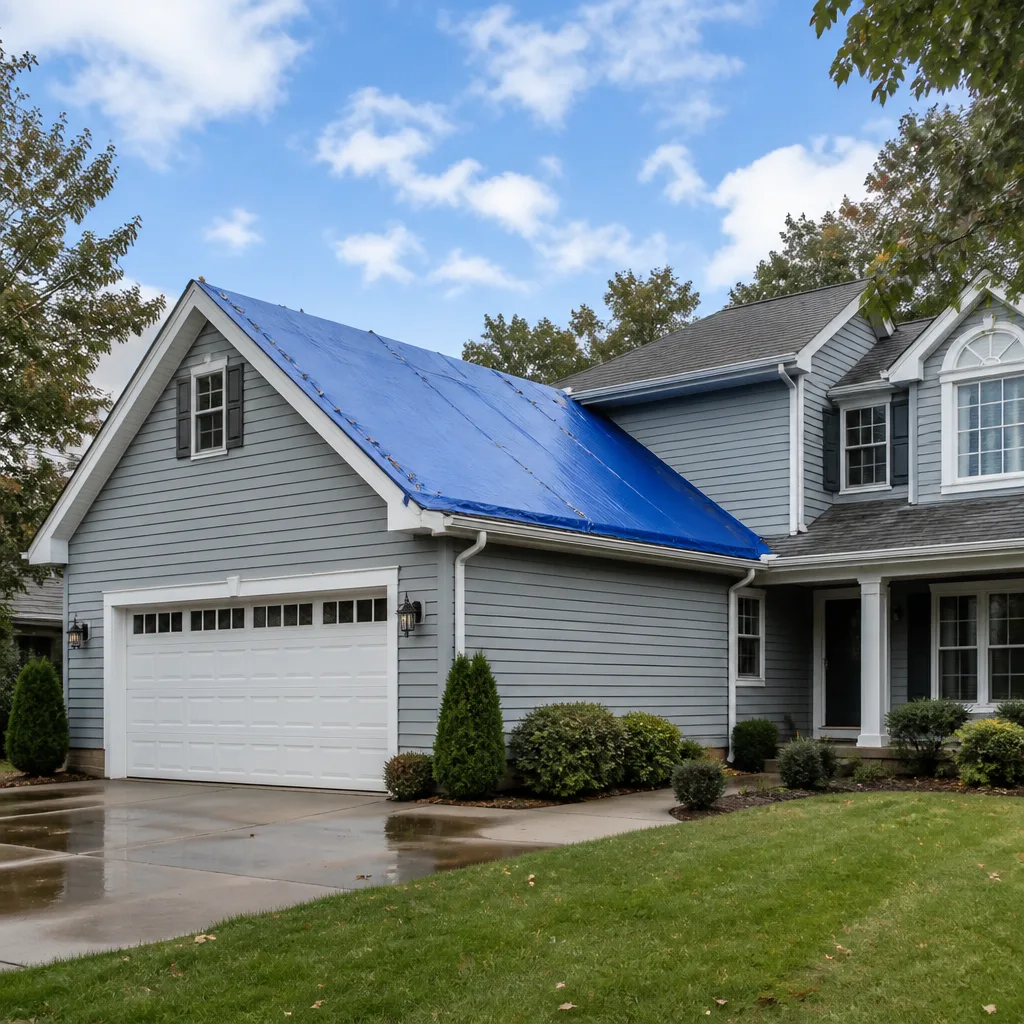
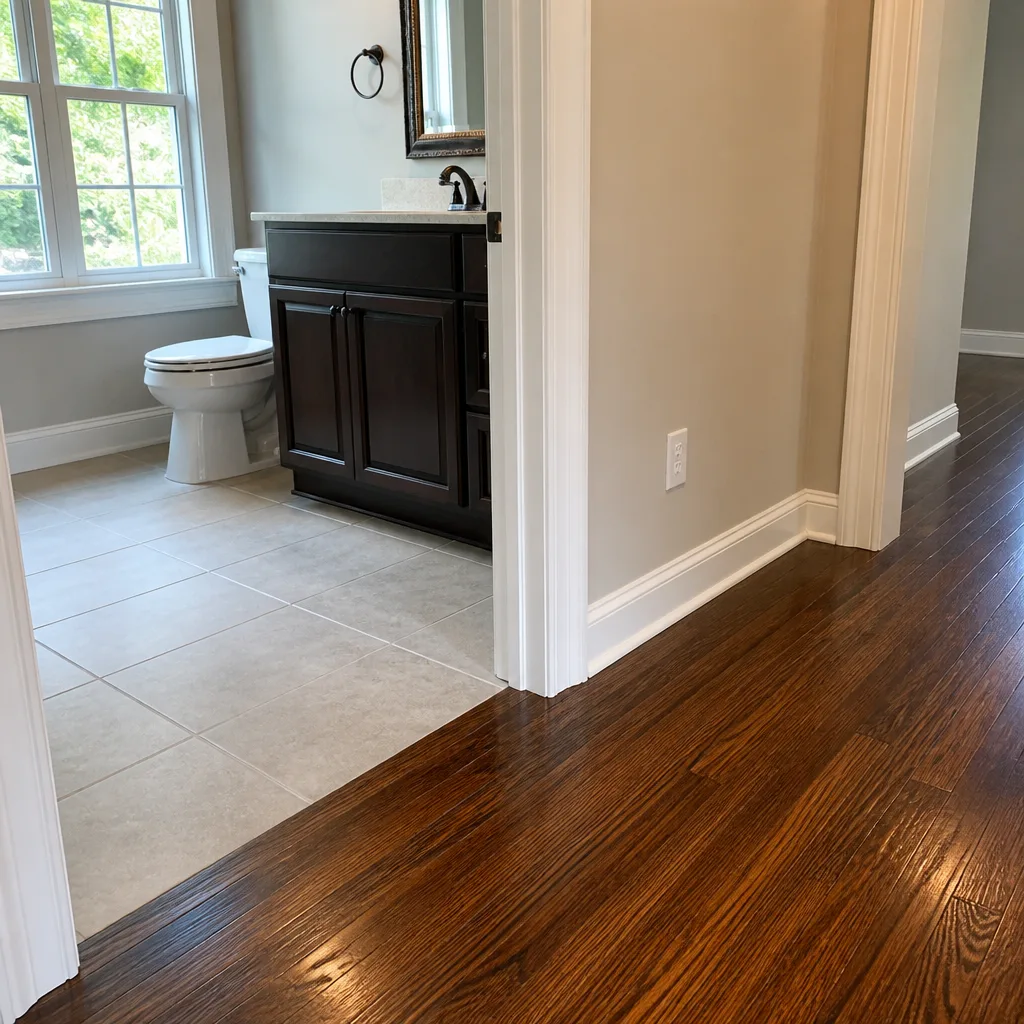

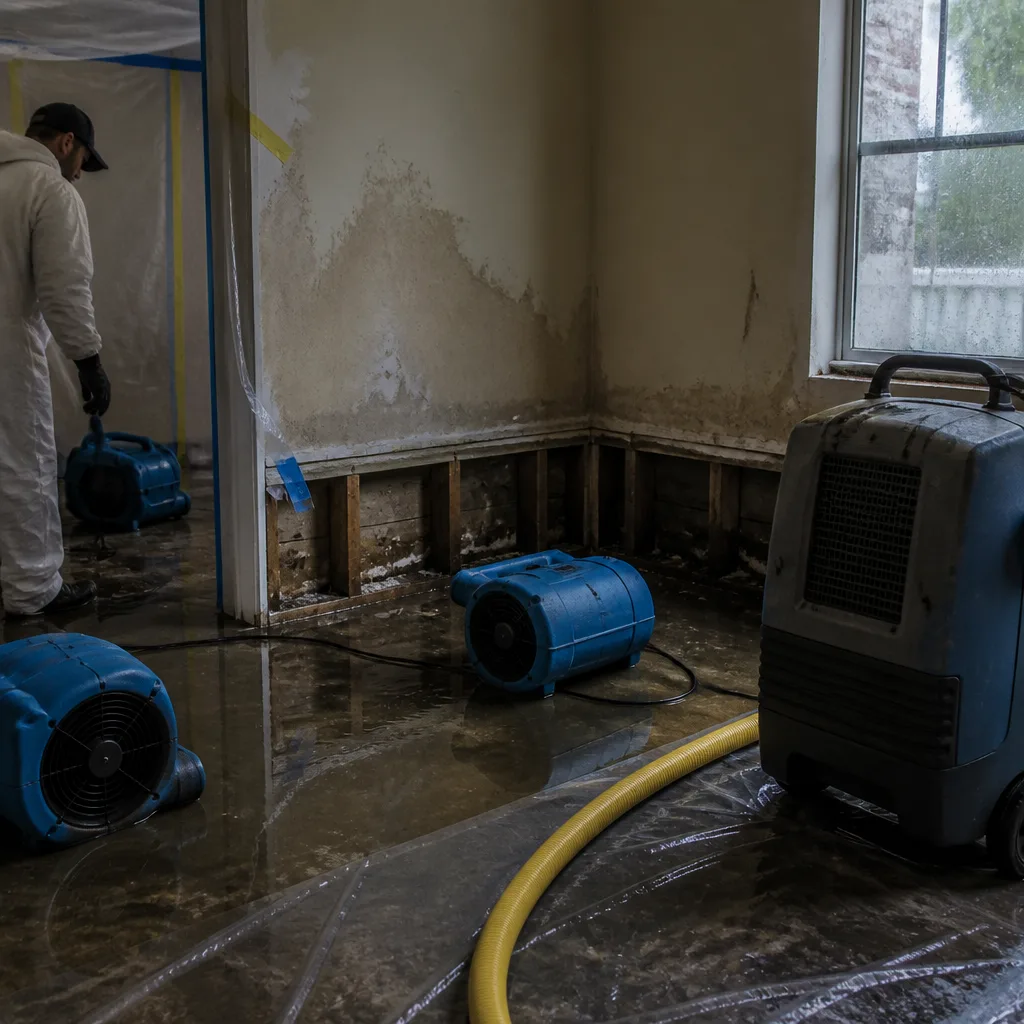 Before
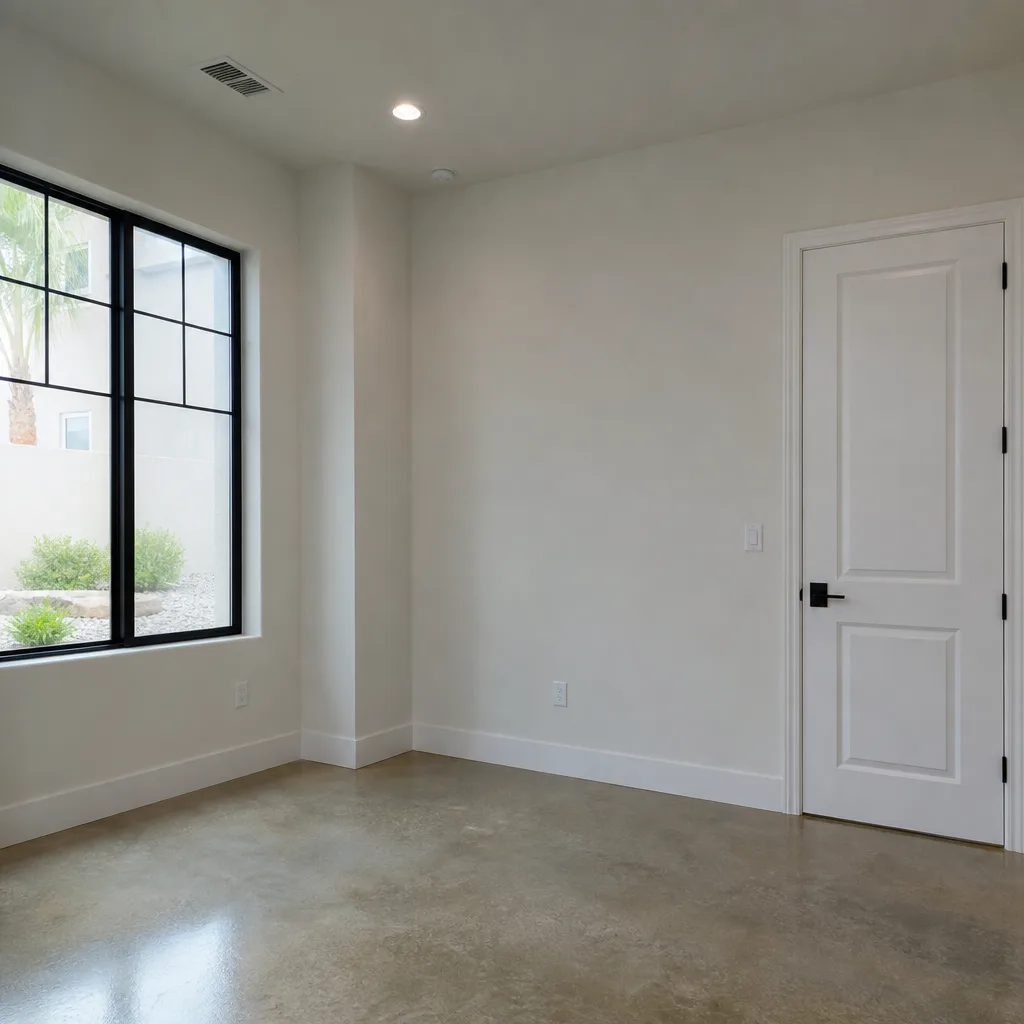 After
After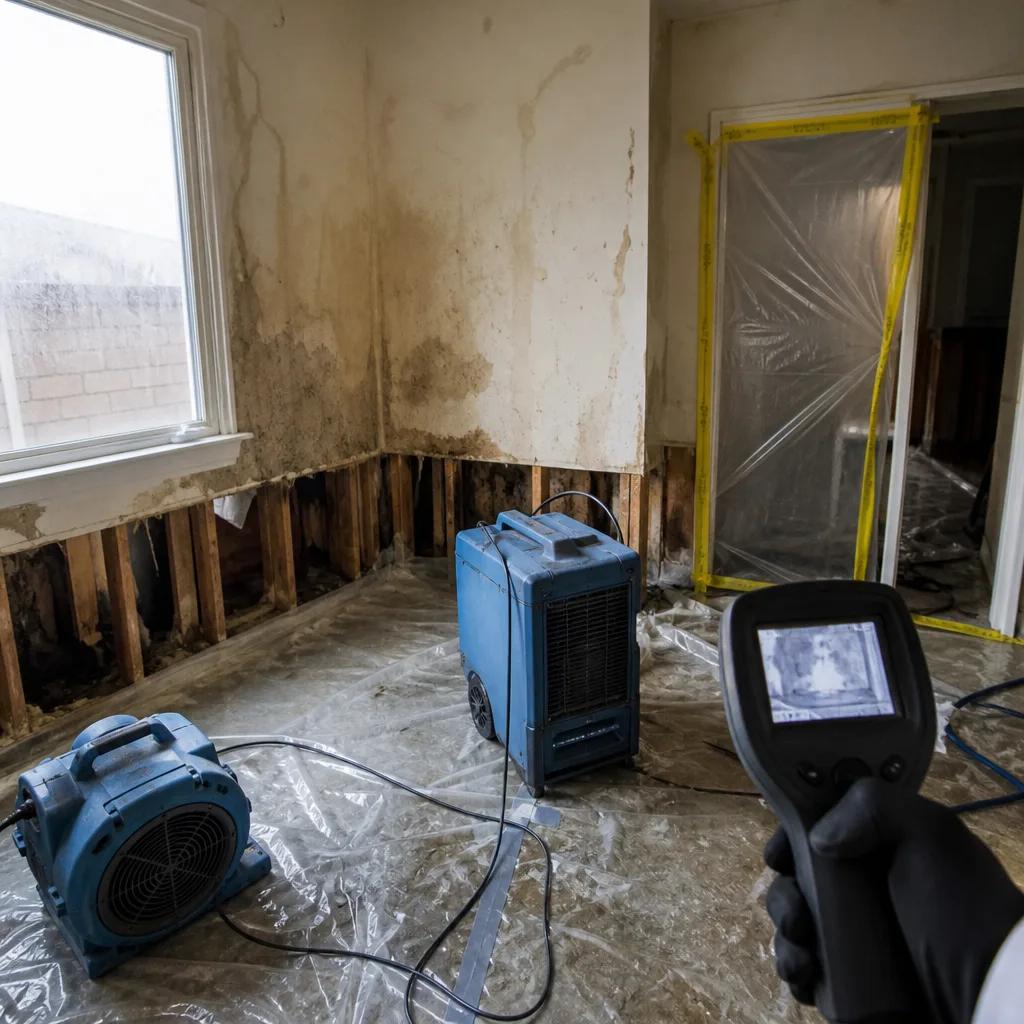 Before
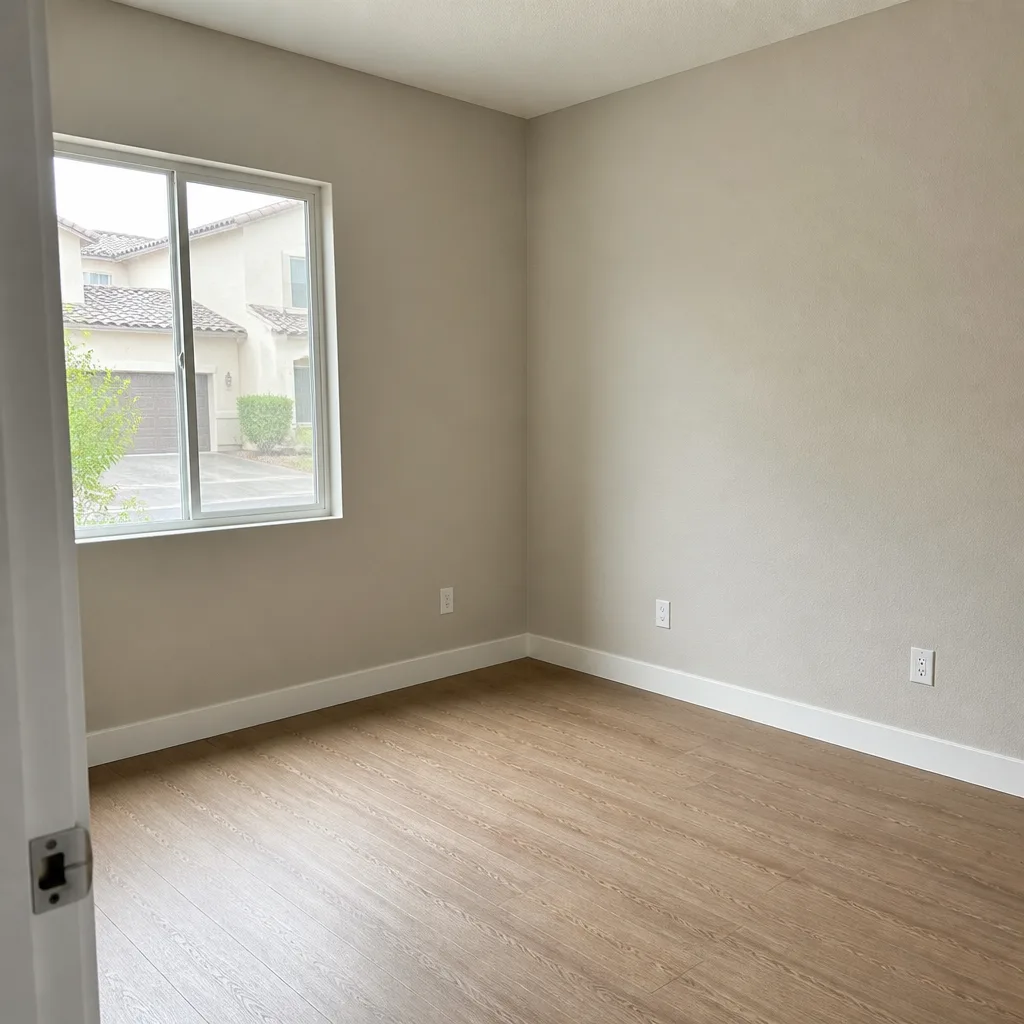 After
After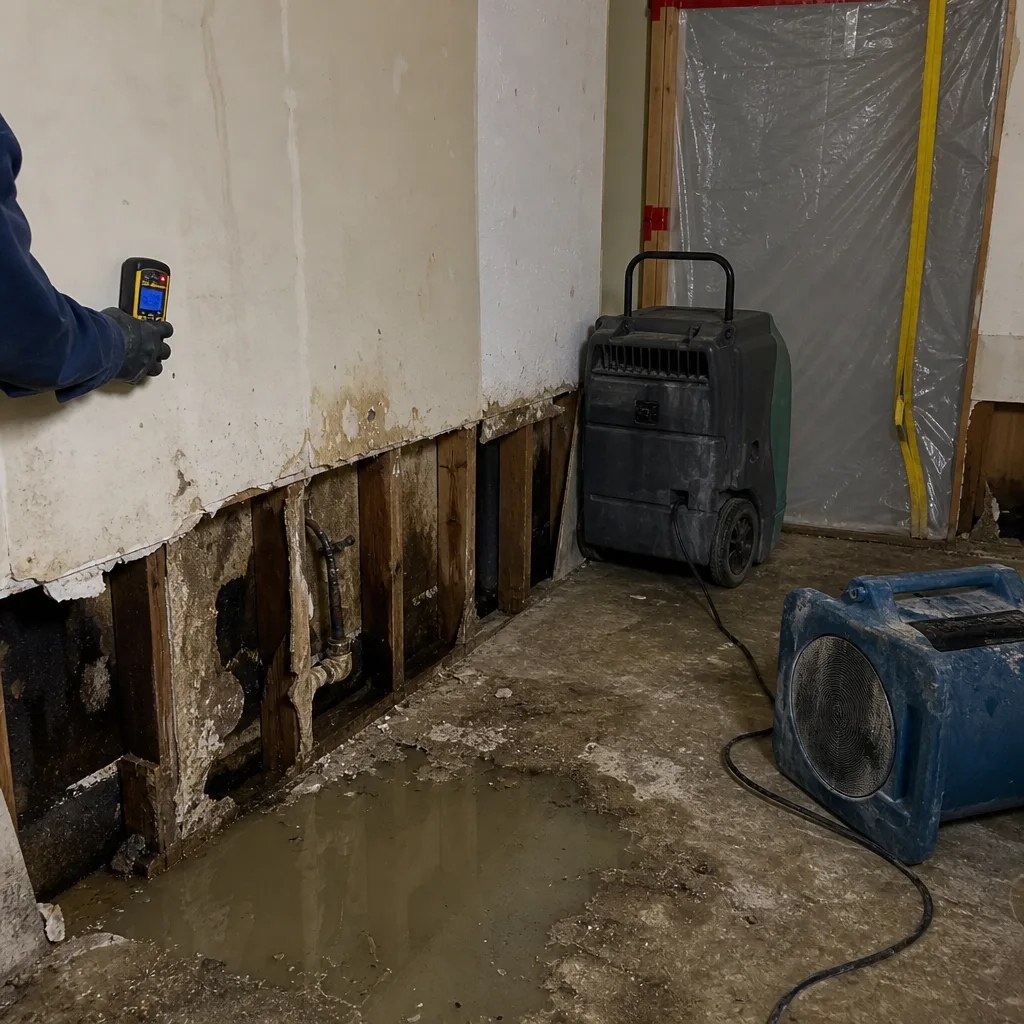 Before
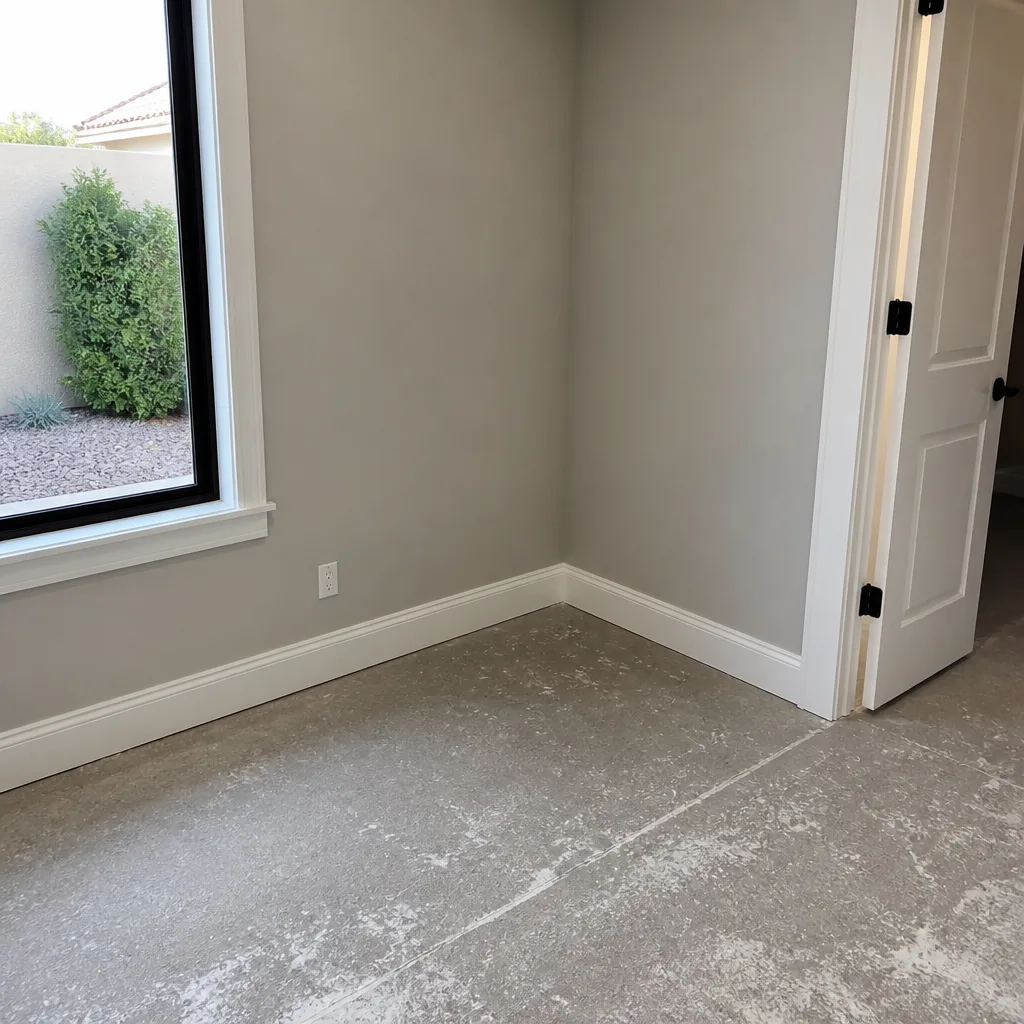 After
AfterWater Damage Restoration Maintenance Checklist for Summerlin Homeowners
When an adjuster asks “was this a sudden loss or long-term neglect,” the homeowner who hands over a log of dated moisture readings wins that argument. The homeowner who says “I check things regularly” does not. In Summerlin, where master-planned communities with flat roofs and PEX plumbing systems dominate the housing stock, water damage claims are denied at higher rates than the national average because homeowners cannot prove their maintenance routine met the “reasonable care” standard written into standard Nevada homeowner policies. This guide teaches you to treat maintenance as a documentation habit, not a chore list, and you can find more guides & resources on our blog. You’ll get room-by-room checklists calibrated to Summerlin’s desert climate, specific moisture thresholds by material, a 12-month calendar tied to local weather patterns, and a recording format that insurers accept as evidence.
Quick Answer
A Water Damage Restoration maintenance checklist for Summerlin homeowners is a dated, photo-documented inspection routine that produces evidence of reasonable care. It includes monthly checks of flat roof drains and PEX fittings, seasonal swamp cooler pan inspections, and annual moisture readings of walls and subfloors with thresholds specific to desert climate conditions. The checklist protects your claim by proving sudden loss rather than long-term neglect when an adjuster reviews your file.
Table of Contents
- Why Documentation Beats the Checklist
- Summerlin-Specific Risks: Flat Roofs, PEX, and Desert Cycling
- Room-by-Room Maintenance Checklist
- Moisture Reading Thresholds by Material
- The Recording Format Insurers Accept
- 12-Month Summerlin Maintenance Calendar
- Common Mistakes to Avoid
- When to Call a Professional
- Frequently Asked Questions
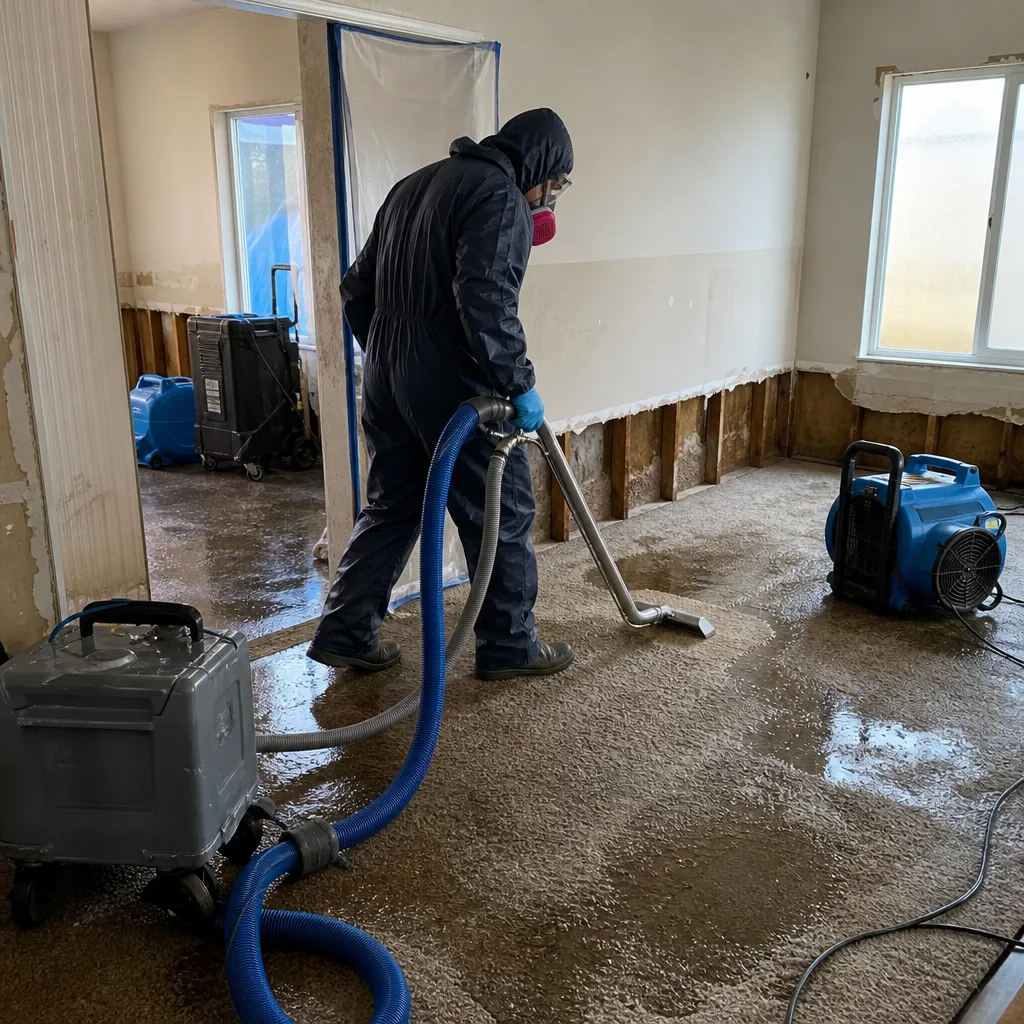
BeforeAfterWhy Documentation Beats the Checklist
We’ve reviewed thousands of claim files since 2011, and the pattern is consistent. The homeowner with a checklist gets partial coverage. The homeowner with a dated record gets full coverage. The difference is not the work performed. It’s the proof.
Nevada’s standard homeowner policy contains an exclusion for “constant or repeated seepage or leakage of water over a period of 14 or more days.” This means the insurer does not cover damage that developed slowly. The burden shifts to you to prove the loss was sudden. A mental note that you “checked the attic last spring” does not meet that burden. A photo dated March 15 showing a dry moisture reading of 8% on the north bedroom wall does.
The documentation habit we teach produces five elements on every check:
- Date and time - not approximate, exact
- Location - room, wall orientation, fixture name
- Tool used - pin meter, pinless meter, hygrometer, or visual inspection
- Reading or observation - numerical where possible, descriptive where not
- Photo file name - cross-referenced to the log entry
This format mirrors what professional restoration companies produce under IICRC standards. When your log matches the format an adjuster sees from certified technicians, it carries weight. When it looks like a grocery list, it does not.
The DryMark Restoration Summerlin home page outlines our documentation-first approach. We built this checklist from the same standards we use on every job: written scope before work starts, photo record on every visit, and daily moisture logs that turn restoration invoices into payable claims.
Summerlin-Specific Risks: Flat Roofs, PEX, and Desert Cycling
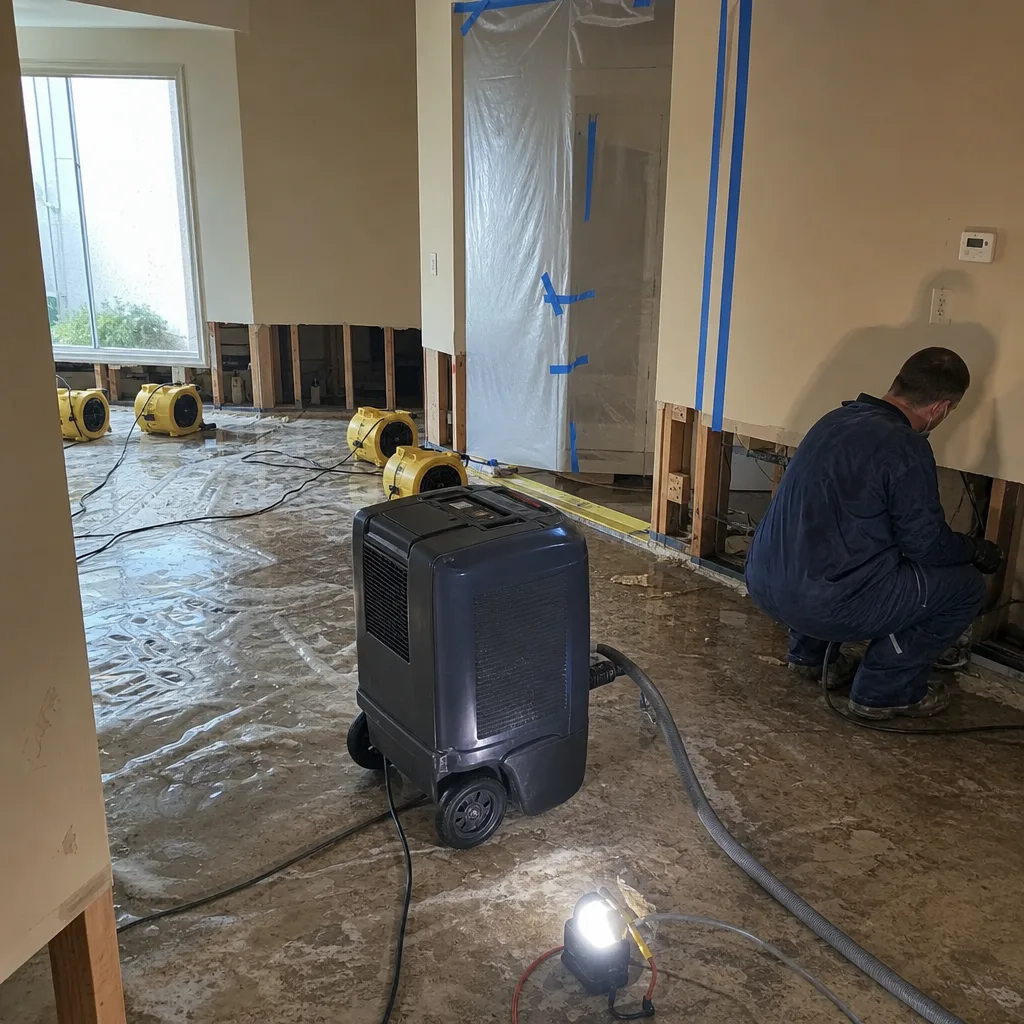
Summerlin’s master-planned communities, built primarily between 1990 and 2020, share construction features that create distinct water damage profiles, as detailed in The Complete Guide to Damage Restoration in Summerlin. Understanding these features calibrates your maintenance checklist to actual risk rather than generic national templates.
Flat and Low-Slope Roofs
Communities like The Trails, The Hills, and The Cliffs use flat or low-slope roof designs for architectural consistency and energy efficiency. These roofs do not shed water by gravity alone. They depend on internal drains and scuppers that clog with desert debris, dust, and the seed pods from palo verde and mesquite trees common to the Las Vegas Valley.
A clogged drain on a flat roof does not leak immediately. Water pools, accelerates membrane degradation, and enters through seams that were sound when inspected from the interior. By the time you see a ceiling stain, the insulation above is saturated and the structural deck may be compromised. Monthly drain checks during monsoon season, June through September, are not excessive. They are necessary.
PEX Fittings and Thermal Cycling
Summerlin homes built between 2005 and 2015 frequently use PEX-A or PEX-B plumbing with expansion or crimp fittings. The Las Vegas climate produces extreme thermal cycling: attic temperatures reach 140°F in July and drop below 40°F in January. PEX expands and contracts significantly more than copper. Crimp rings loosen. Expansion fittings fatigue.
We’ve documented failures in Summerlin’s PEX systems where fittings separated after 8-12 years of cycling, producing slow leaks inside walls that went undetected until mold remediation was required. Annual inspection of accessible PEX junctions, particularly at manifold locations and where lines penetrate top plates, belongs on your checklist.
Swamp Cooler Pan Overflow
Evaporative cooling remains common in Summerlin homes built before 2010. The cooler pan sits on the roof or at attic level, fed by a float valve. Hard water scale jams the float. The pan overflows into the roof assembly or down the ductwork. Spring startup, typically April, is when these failures concentrate. A documented pan cleaning and float test each April produces evidence that you maintained the system before the season of heaviest use.
Desert Humidity Variation
Summerlin’s relative humidity swings from 10% in June to 50% in January. These swings affect how moisture meters read “normal” versus “elevated.” A reading that signals active leakage in January may read as background variation in June. Your documentation must include seasonal baselines for your specific home, not national averages.
Room-by-Room Maintenance Checklist
This checklist is organized by space, with tasks ordered by frequency. Each task includes the tool required and the documentation standard.
Exterior and Roof
- Monthly (June-September): Clear flat roof drains and scuppers of debris. Photo the cleared opening with date. Check membrane seams at parapet walls for cracking. Record location and description.
- Quarterly: Inspect stucco weep screeds at foundation level for blockage. Summerlin’s caliche soil can grade against the screed, trapping moisture. Document with photo showing clear weep path.
- Annually: Verify roof membrane integrity with flood test or professional inspection. Obtain written report. Cross-reference to your maintenance log.
Kitchen
- Monthly: Check under-sink cabinet floor with pinless moisture meter. Reading above 12% on particle board or 15% on plywood triggers further inspection. Photo meter display with date.
- Quarterly: Inspect dishwasher supply line and drain hose for fatigue at connection points. Run hand along line to detect swelling or cracking. Record condition.
- Annually: Remove refrigerator to inspect supply line and floor beneath. PEX lines with push-fit connectors are common failure points in Summerlin homes after 7-10 years.
Bathrooms
- Monthly: Check toilet flange area with moisture meter. Reading above 17% on tile substrate or 20% on adjacent drywall indicates wax ring failure. This is one of the most common slow leaks we remediate in Summerlin.
- Quarterly: Inspect shower pan by removing drain cover and observing weep holes. Blocked weep holes trap water in the mortar bed. Photo weep hole condition.
- Annually: Caulk inspection at tub/shower junctions and window frames. Summerlin’s thermal cycling degrades caulk faster than milder climates. Record gaps wider than 1/16 inch.
Laundry Room
- Monthly: Inspect washing machine supply hoses for blistering. Replace every 5 years regardless of appearance. Record replacement date on hose tag and in log.
- Quarterly: Check floor drain flow rate. Slow drainage indicates partial blockage that can back up during heavy use. Time a gallon pour; should drain in under 30 seconds.
Water Heater and Mechanical Spaces
- Monthly: Inspect T&P valve discharge pipe for moisture. Check drain pan for standing water. Photo dry pan.
- Annually: Flush tank to inspect sediment load. Heavy sediment accelerates tank bottom failure. Document water clarity at flush start and end.
HVAC and Swamp Cooler
- April startup: Clean cooler pan, test float valve operation, inspect pump and distribution tubes. Photo clean pan and functional float.
- October shutdown: Drain pan completely, disconnect supply, blow out lines. Document dry condition.
- Monthly (refrigerated AC): Check condensate drain line flow. Algae growth in Summerlin’s hard water blocks lines. Pour cup of water into drain pan; should exit exterior termination in under 2 minutes.
Moisture Reading Thresholds by Material
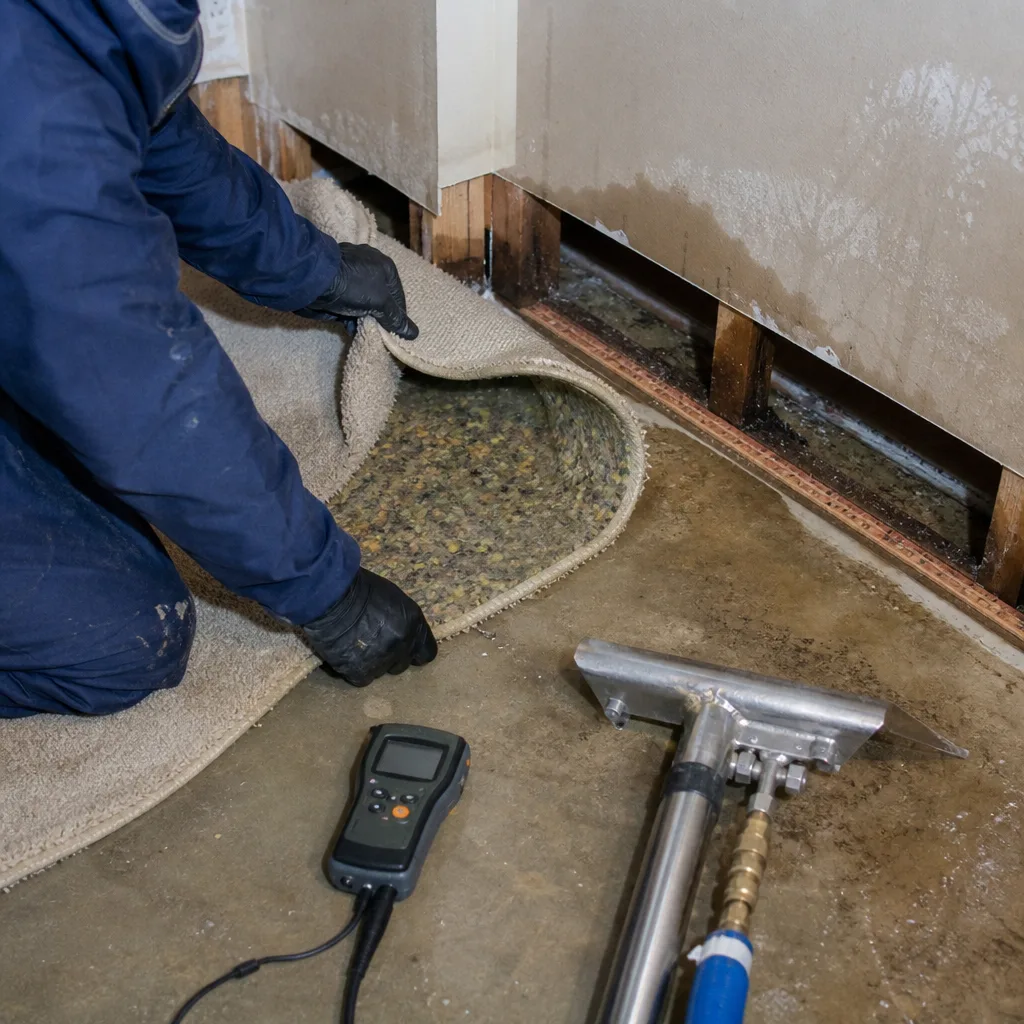
Moisture meters produce meaningless numbers without material-specific baselines. These thresholds reflect IICRC S500 standards adjusted for Summerlin’s desert climate. Record the tool type with each reading; pin and pinless meters measure different properties and are not directly comparable.
| Material | Normal Range (Summerlin) | Elevated / Investigate | Active Problem | Tool |
|---|---|---|---|---|
| Drywall (interior, conditioned space) | 5-9% | 10-14% | 15%+ | Pinless |
| Wood framing (pine, fir) | 6-11% | 12-16% | 17%+ | Pin |
| Particle board subfloor | 8-12% | 13-18% | 19%+ | Pinless |
| Plywood subfloor | 9-14% | 15-20% | 21%+ | Pin |
| Ceramic tile substrate (cement board) | 5-10% | 11-16% | 17%+ | Pinless |
| Concrete slab (at grade) | 3-5% | 6-8% | 9%+ | Calcium chloride or RH probe |
| Carpet pad (rebound) | 6-10% | 11-15% | 16%+ | Pinless |
These baselines assume interior conditions of 70-75°F and 25-35% relative humidity, typical of Summerlin homes with refrigerated air conditioning. Swamp-cooled homes run higher humidity in summer; adjust upward by 2-3 percentage points for materials in those zones.
The critical discipline is establishing your home’s dry standard. Take readings in known-dry areas during known-dry months. That becomes your baseline. Future readings are compared to your baseline, not to generic tables.
The Recording Format Insurers Accept
We’ve testified in claim disputes where the difference between partial and full coverage was the format of the homeowner’s maintenance record. Insurers and their adjusters are trained to evaluate documentation against professional standards. Meet those standards, and your record becomes evidence. Fall short, and it becomes a homeowner’s unsupported assertion.
The format we recommend produces a contemporaneous record: created at the time of inspection, not reconstructed after damage occurs. Reconstructed records are detectable and damage credibility.
Minimum Record Elements
- Header: Date, time, inspector name, weather conditions (temperature, recent precipitation). Weather matters because it explains readings.
- Location identifier: Room, compass orientation, fixture or feature name. “Master bath, north wall, toilet flange” not “bathroom.”
- Tool and setting: “Delmhorst BD-2100, wood scale, pin type” or “Protimeter Surveymaster, search mode.”
- Reading or observation: Numerical with units, or descriptive with specificity. “8.2%” not “dry.” “No visible staining, no softening at base” not “looks fine.”
- Photo reference: File name that includes date and location. “2025-03-15_mbr_north_wall_meter.jpg” not “IMG_4721.”
- Action taken: None, further inspection scheduled, repair performed, professional consultation requested.
Storage and Backup
Store records in three places: physical binder with printed logs and photo thumbnails, local digital copy on home computer, and cloud backup with date-stamped upload. The cloud upload timestamp provides third-party verification that the record existed before the loss date. This is the single most powerful feature in a claim dispute.
We recommend quarterly compilation: at the end of March, June, September, and December, assemble that quarter’s individual records into a single PDF with table of contents. Email it to yourself or upload to cloud storage. The email timestamp or upload log becomes independent evidence of the record’s existence.
For homeowners who want professional-grade documentation, Water Damage Restoration in Summerlin includes our assessment protocol, which produces the same record format we use for insurance submissions.
12-Month Summerlin Maintenance Calendar
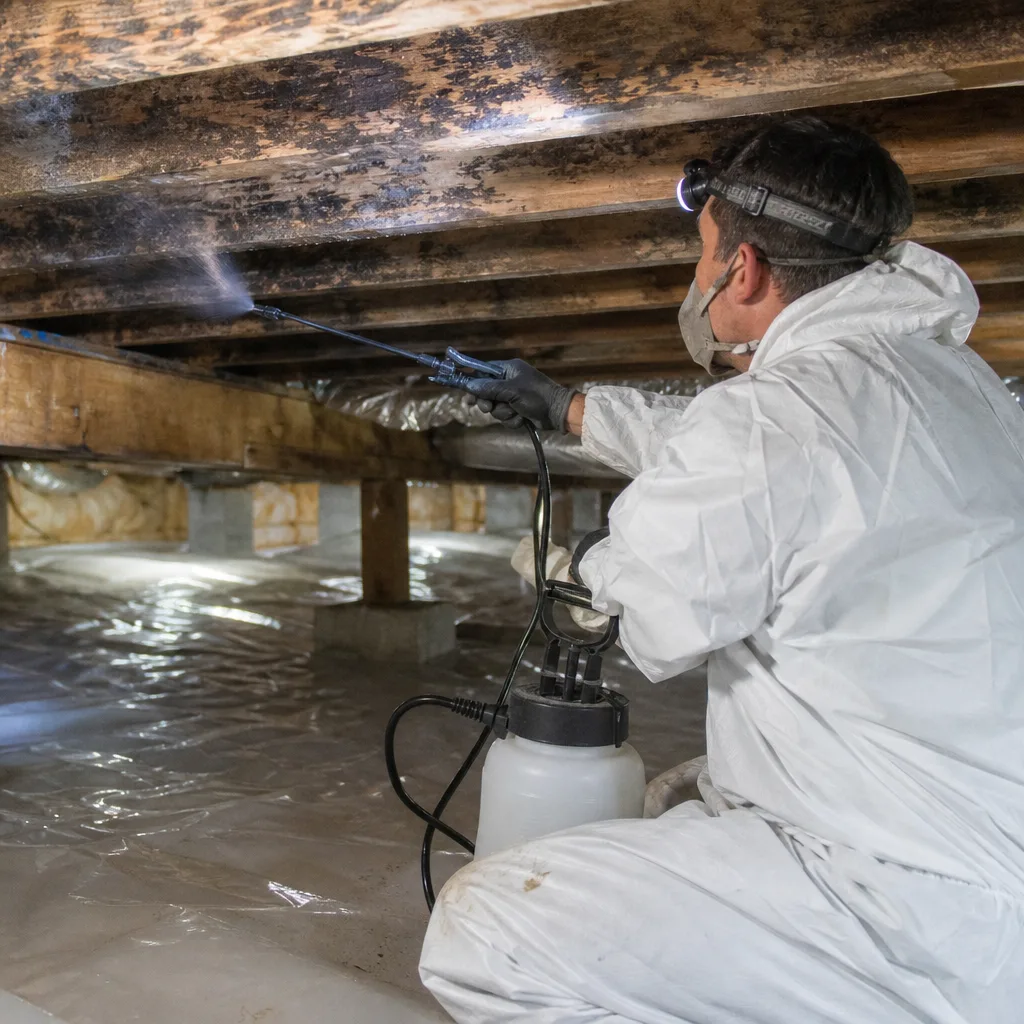
Generic national checklists schedule tasks by season names that do not match Summerlin’s climate. This calendar is tied to actual local conditions: monsoon patterns, freeze risk periods, and peak thermal cycling months.
January
Post-holiday plumbing stress assessment. Check kitchen sink drain lines for grease accumulation from holiday cooking. Inspect water heater for scale-related pressure issues after peak winter demand. Record baseline moisture readings in all rooms; January humidity is highest, producing your maximum normal readings for the year.
February
Freeze protection verification. Though rare, Summerlin sees nights below 32°F. Verify exterior hose bibs are drained, irrigation backflow preventers are insulated, and any exposed PEX in unconditioned spaces has adequate insulation. Photo insulation condition.
March
Swamp cooler pre-season. Schedule professional startup or perform owner maintenance: pan cleaning, float test, pad inspection, belt tension. Document functional test with photo of water flow and float shutoff. This is your evidence that the system was maintained before the season of use.
April
Monsoon preparation begins. Clear flat roof drains, scuppers, and gutters of spring debris. Inspect stucco weep screeds after winter grading settlement. Test exterior grade drains with hose flow. Record flow rate and any blockage locations.
May
HVAC transition. Shut down swamp cooler, inspect refrigerated system condensate drain and pan. Clean or replace filter. Check attic PEX runs before peak thermal cycling begins. Record accessible fitting condition.
June
Peak thermal cycling begins. Increase flat roof drain inspection to biweekly. Monitor attic temperature if accessible; readings above 130°F indicate ventilation deficiency that accelerates PEX fitting fatigue. Document peak temperature and date.
July
Monsoon peak. Inspect after every significant storm. Check ceiling stains, window leaks, and door threshold performance. Summerlin’s sudden downpours test drainage systems at maximum intensity. Photo any water intrusion immediately; delay destroys evidence of storm-related sudden loss.
August
Continued monsoon vigilance. Second flat roof membrane inspection. Check for blistering or seam separation after peak thermal exposure. Verify interior humidity in swamp-cooled homes; sustained readings above 55% RH indicate cooler oversaturation or duct leakage.
September
Monsoon taper. Final roof and drainage inspection. Document condition before dry season begins; this establishes pre-dry-season baseline for any winter claims. Schedule any needed repairs before contractor availability tightens.
October
Swamp cooler shutdown and winterization. Drain completely, disconnect supply, blow out distribution lines. Photo dry condition. Inspect refrigerated system heating elements and defrost cycle before first use.
November
Pre-holiday plumbing check. Inspect dishwasher, garbage disposal, and guest bathroom fixtures before entertaining season. Test shutoff valves for operation; seized valves are common in Summerlin’s hard water and prevent emergency isolation.
December
Year-end compilation. Assemble complete annual record. Review for gaps or missing quarters. Schedule professional moisture assessment if any elevated readings were recorded during the year. Update insurance agent with documentation of maintenance program.
Common Mistakes to Avoid
- Using a mental checklist. Memory is not evidence. Adjusters are trained to discount unsupported assertions. The homeowner who says “I always check the roof” without dated photos receives no weight. The homeowner with 12 monthly roof photos does.
- Recording only problems. A log that shows only the April 15 swamp cooler leak looks like a record of failure, not maintenance. Insurers interpret absence of normal-condition records as absence of maintenance. Record the uneventful checks too.
- Using a single moisture meter setting for all materials. Pin meters set to “wood” produce meaningless numbers on drywall. Pinless meters calibrated for drywall misread on tile. Each reading must note the tool, the setting, and the material.
- Ignoring Summerlin’s flat roof architecture. National checklists emphasize shingle inspection and gutter clearing. Summerlin’s flat roofs have neither. Drains, scuppers, and membrane seams are the critical elements; missing them means missing the highest-risk feature of your home.
- Reconstructing records after damage. Backdated or assembled-after-the-fact records are detectable and constitute fraud if submitted in a claim. The metadata in digital photos, email timestamps, and cloud upload logs will contradict a reconstructed record. Create the habit before you need the evidence.
- Failing to establish seasonal baselines. A 14% drywall reading in January may be normal for your home. The same reading in June indicates active moisture intrusion. Without seasonal baselines, you cannot interpret your own data.
When to Call a Professional
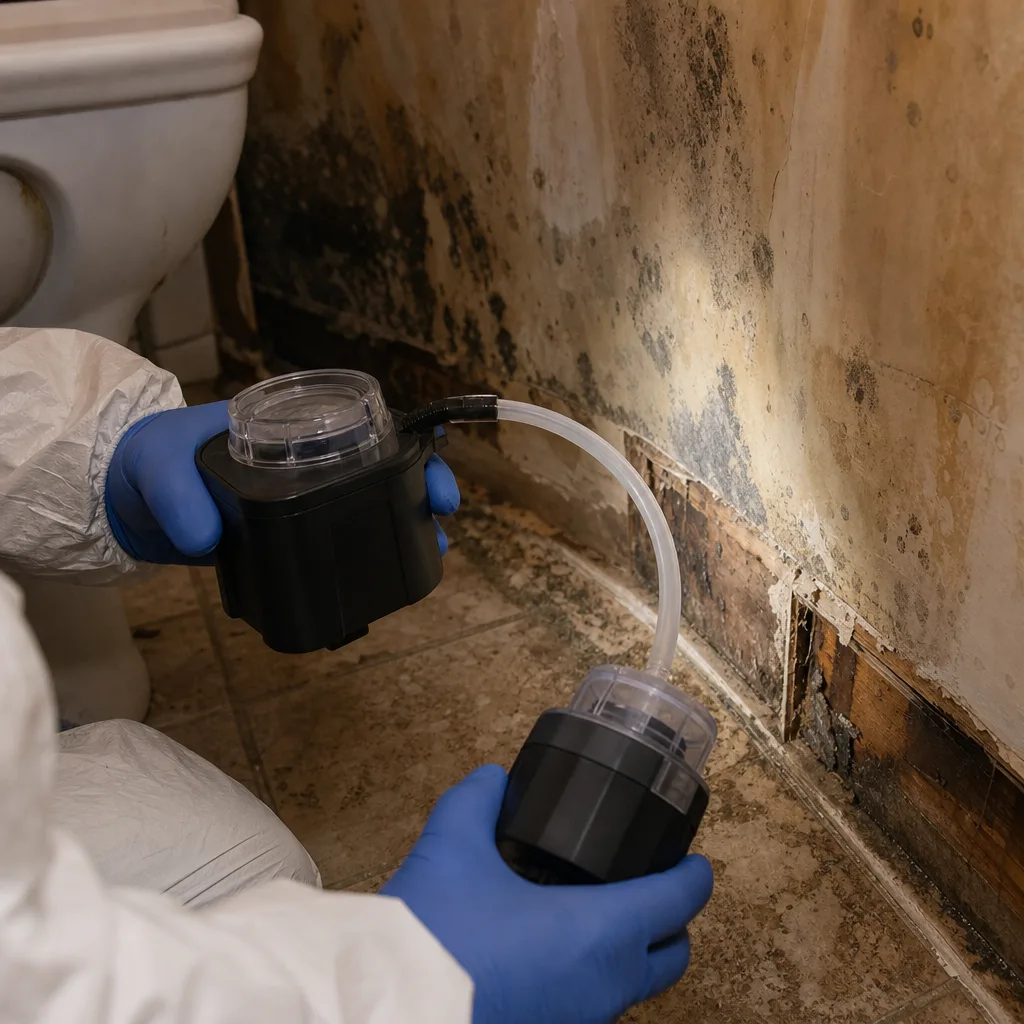
Some conditions exceed homeowner maintenance and require documented professional assessment. Call for evaluation when: moisture readings exceed active-problem thresholds and the source is not immediately identifiable; you observe staining, softening, or mold growth on any surface; your flat roof shows ponding that persists more than 48 hours after rain; or a PEX fitting shows corrosion, mineral buildup, or movement at the connection.
Professional assessment produces the psychrometric data, vapor pressure differential readings, and material classification that insurers recognize as authoritative. A homeowner’s moisture meter reading supports a claim; a technician’s documented drying log with IICRC-standard readings often determines it.
DryMark Restoration Summerlin offers free estimates in Summerlin. Our assessments include a written scope before any work begins, a photo record of conditions found, and moisture readings documented to IICRC standards. Call (725) 216-2692 to schedule.
Frequently Asked Questions
Professional moisture assessment in Summerlin typically ranges from $150 to $400 for residential properties, depending on square footage and the number of areas tested; see our Damage Restoration Cost Breakdown: The Summerlin Homeowner’s Reference for 2026 for fuller pricing context. At DryMark Restoration Summerlin, we provide free estimates that include moisture mapping with professional-grade equipment. Call (725) 216-2692 to schedule - estimates are free and include a written scope before any work begins.
Your insurance may still cover sudden and accidental water damage without maintenance records, but the absence of documentation significantly increases the risk of a “long-term neglect” denial. Standard Nevada homeowner policies exclude damage from “constant or repeated seepage or leakage over a period of 14 or more days.” Without dated maintenance records, the burden of proving sudden loss falls entirely on your testimony, which adjusters weight less heavily than contemporaneous documentation. Maintaining records is not a coverage requirement, but it is the most effective protection against denial.
Water damage spreads through drywall at approximately 1 inch per hour horizontally and wicks upward at 2-4 inches per day through capillary action. In Summerlin’s dry climate, surface water evaporates quickly, which can mask subsurface saturation in walls and subfloors. This creates a false impression that the problem is minor while structural materials continue to degrade. Within 24-48 hours, mold colonization begins on organic materials with moisture content above 16%. Speed of visible spread and speed of actual damage are different metrics; the latter is always faster than it appears.
You need full restoration when structural materials are affected, when contamination is present (Category 2 or 3 water), or when mold growth has begun. Drying alone is sufficient only for Category 1 water confined to non-structural materials with no secondary damage. The determination requires moisture mapping to define the affected area, material classification to identify what must be removed versus what can be dried in place, and contamination assessment. A professional assessment produces this classification according to IICRC S500 standards. At DryMark Restoration Summerlin, we provide a written scope that distinguishes drying from removal before any work starts.
Mold colonization becomes likely on organic materials when moisture content exceeds 16% for 48 hours or more, regardless of ambient humidity. In Summerlin’s dry climate, surface moisture may evaporate while interior wall cavities maintain favorable conditions for growth. The critical measurement is within the material, not the air. Gypsum drywall at 17% moisture content, wood framing at 19%, or carpet pad at 16% all present mold risk even when room relative humidity is 25%. Pin-type meters that penetrate the material provide the relevant reading; surface-only measurements miss the problem.
At DryMark Restoration Summerlin, we coordinate directly with your adjuster as part of our standard service. This includes photo documentation of all conditions found, written scope of work with line-item pricing, daily drying logs with moisture readings, and direct communication to resolve questions about coverage or necessity. Our documentation is formatted to the standards that adjusters recognize from IICRC-certified work, which reduces dispute frequency and shortens claim resolution time. You are never required to serve as intermediary between our technicians and your insurer. Call (725) 216-2692 and we will handle adjuster coordination from the initial assessment through final payment.
The Bottom Line
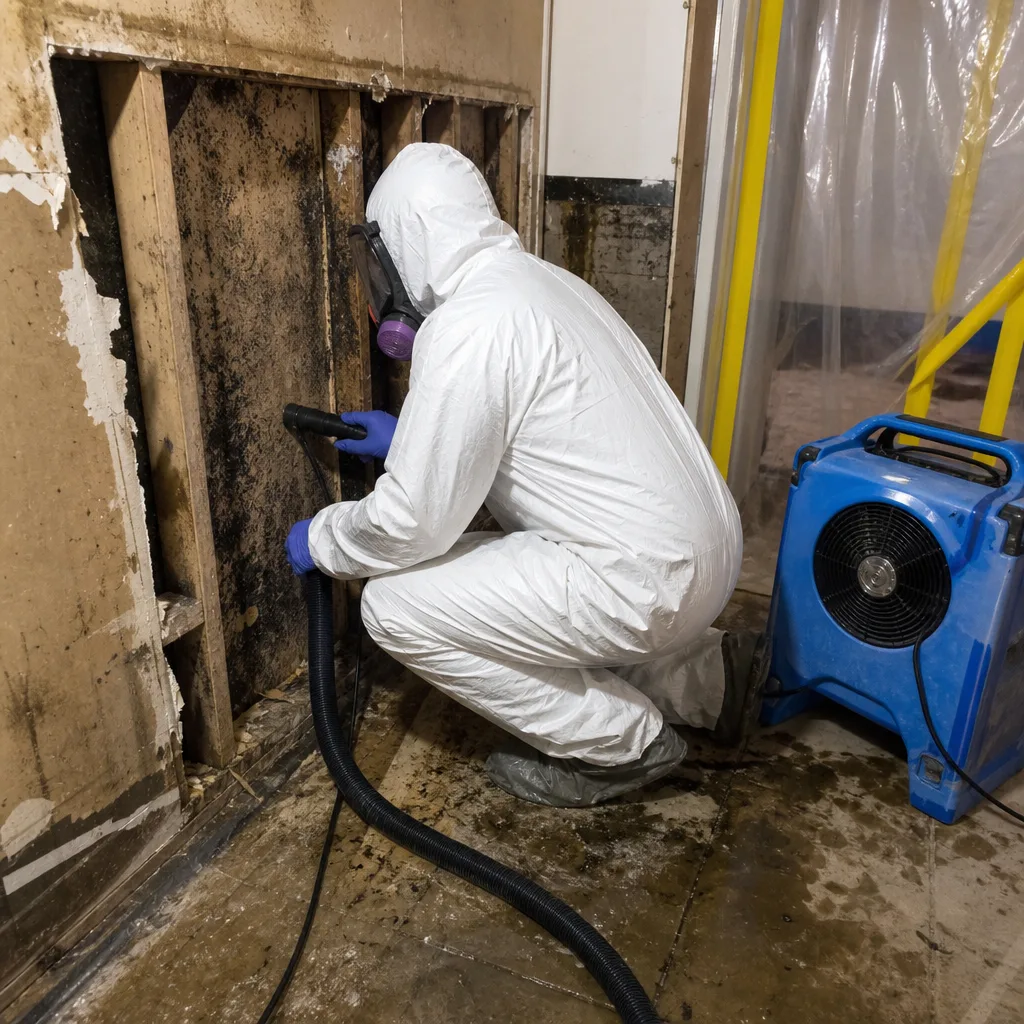
A maintenance checklist protects your Summerlin home only when it produces a dated, photo-documented record that meets professional standards. The specific risks of this market, flat roofs, PEX thermal cycling, and swamp cooler systems, demand a checklist calibrated to local conditions, not generic national templates. Establish seasonal moisture baselines for your materials, record every check with date, location, tool, reading, and photo reference, and compile quarterly into timestamped archives. When an adjuster asks whether damage was sudden or neglected, your documentation answers the question before you speak. For professional assessment, moisture mapping, or restoration services documented to IICRC standards, contact DryMark Restoration Summerlin.
Call (725) 216-2692 for a free estimate. Written scope before any work begins. Photo record on every visit. 365-Day Done Right Promise under The Haven Standard.
Written by Alicia Brennan, Owner at DryMark Restoration Summerlin, serving Summerlin since 2011.