
Last updated September 23, 2026
Free visual inspection and a written scope of work before any mitigation begins - photos, moisture readings, and drying logs go in your claim file
The scope we write is the scope we bill. Anything new gets shown to you, in writing, before we touch it.
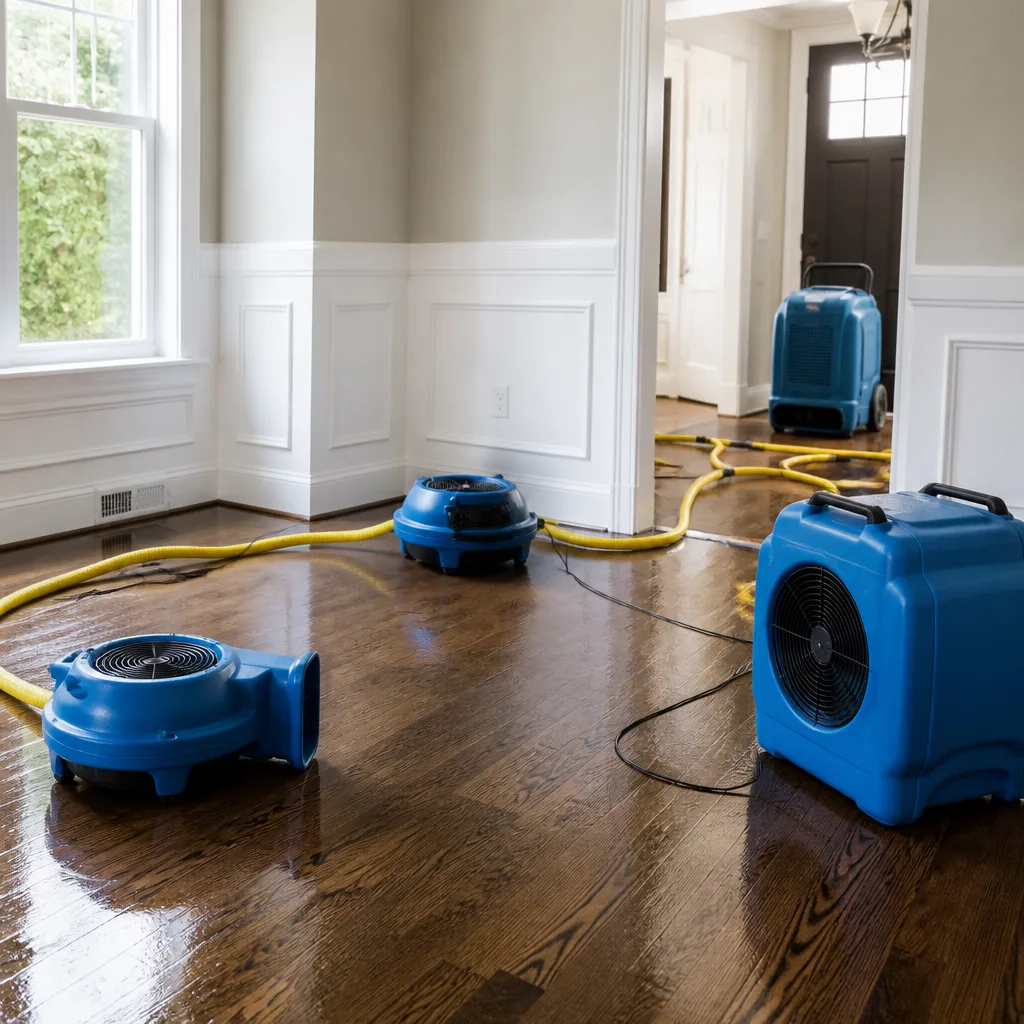
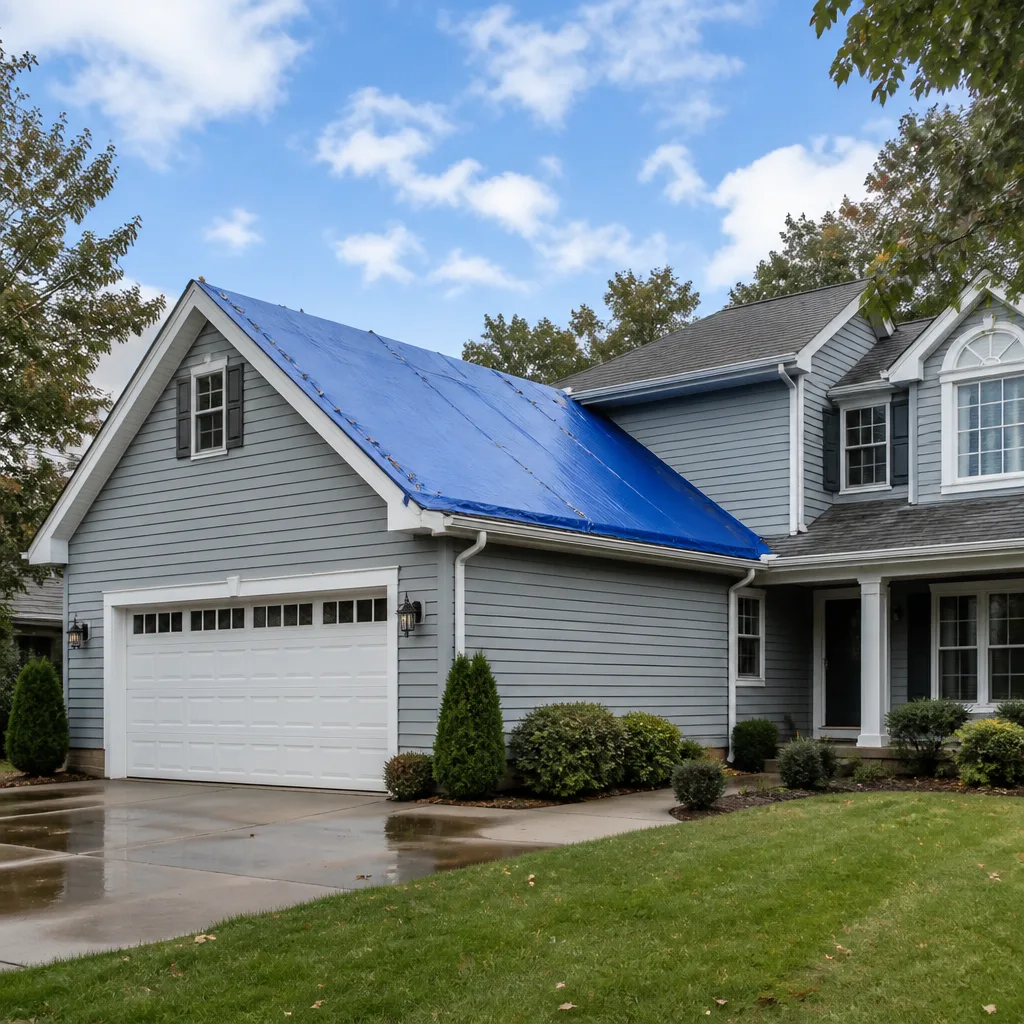
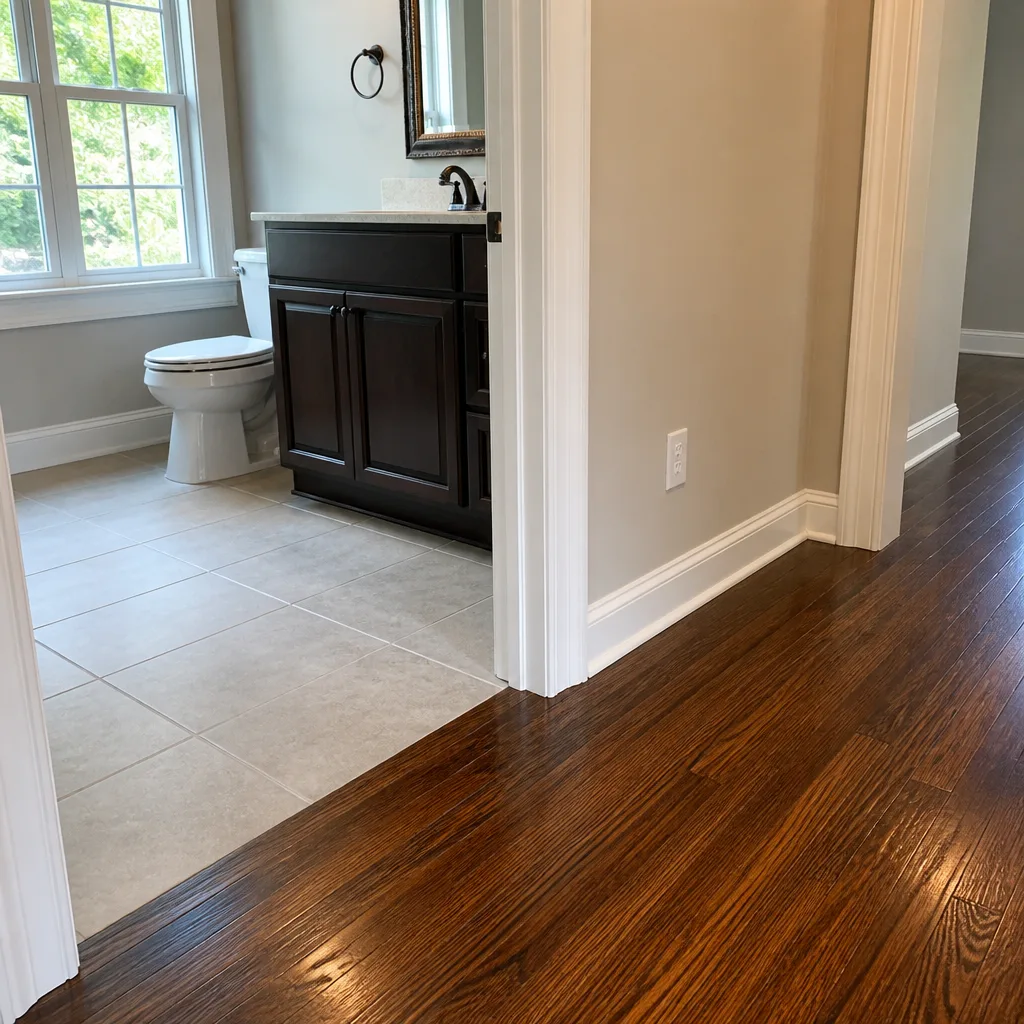
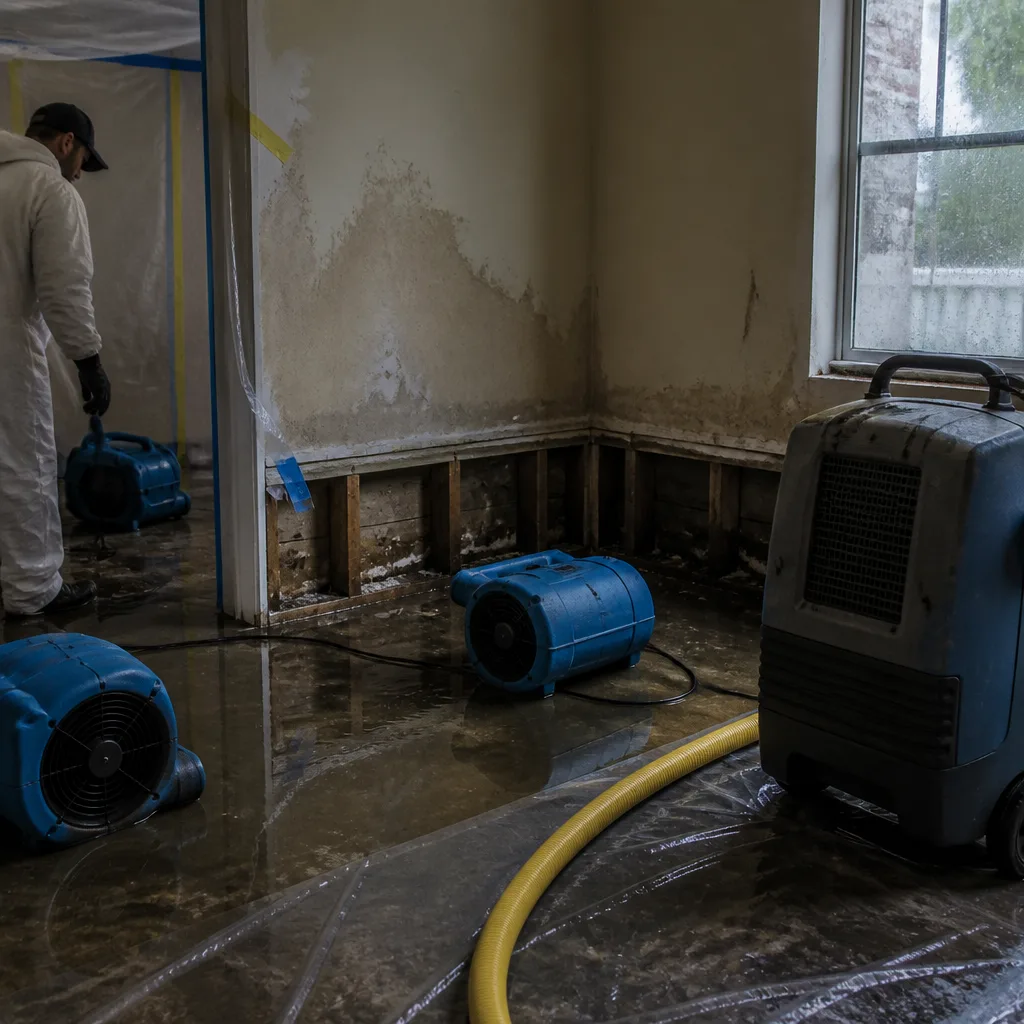 Before
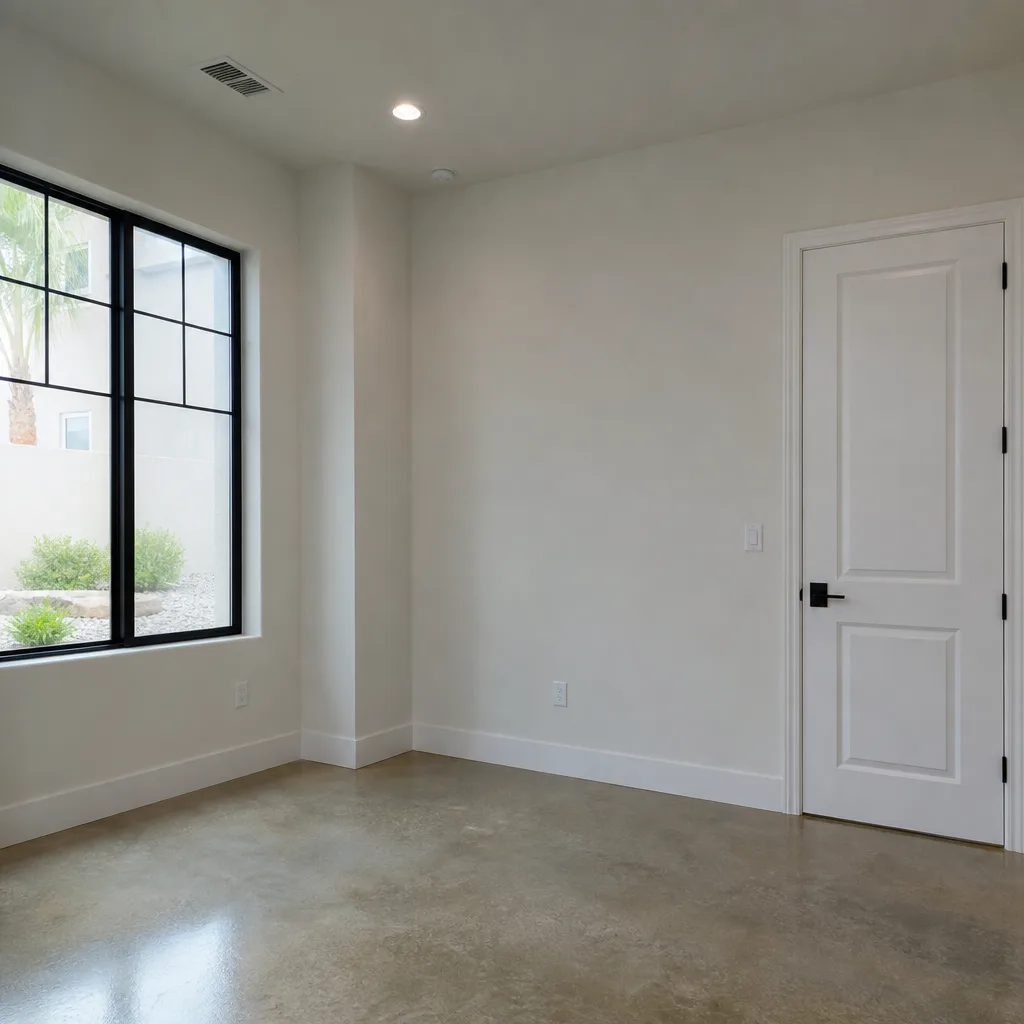 After
After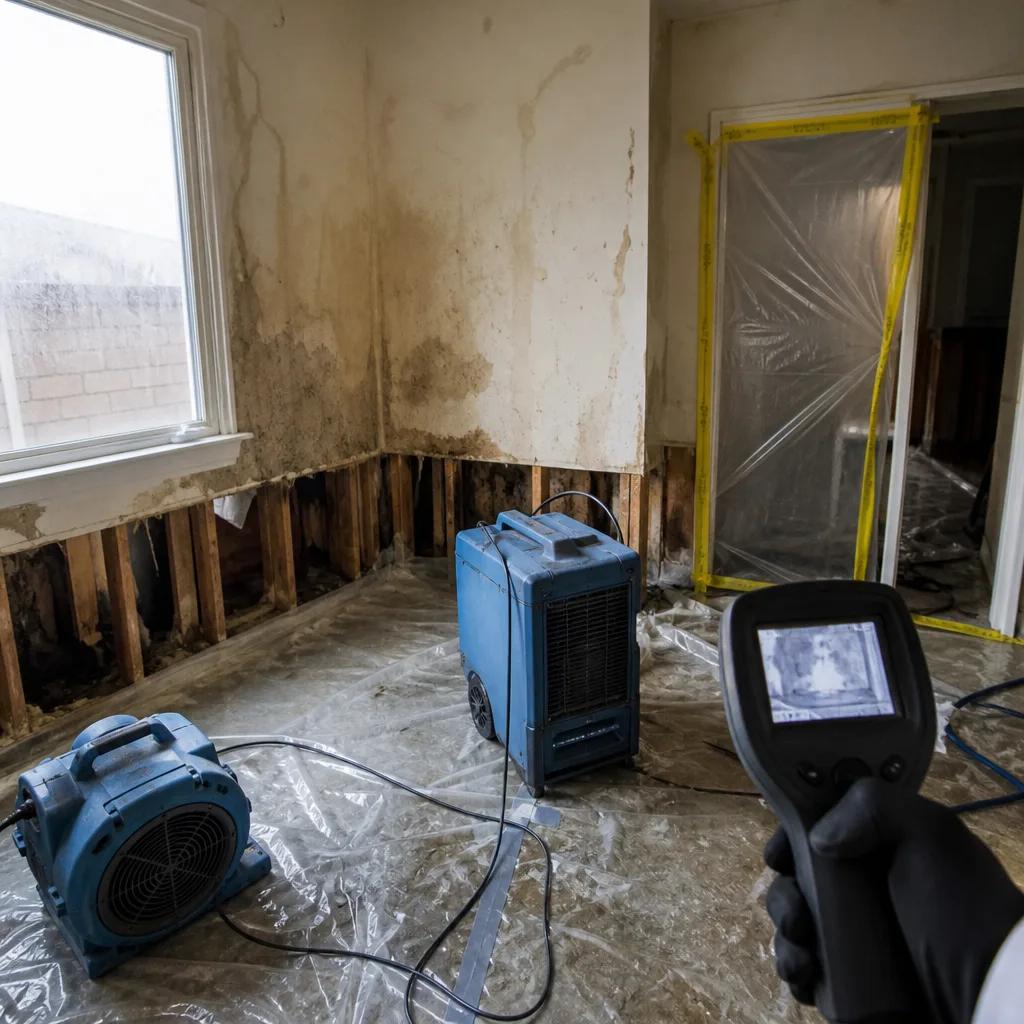 Before
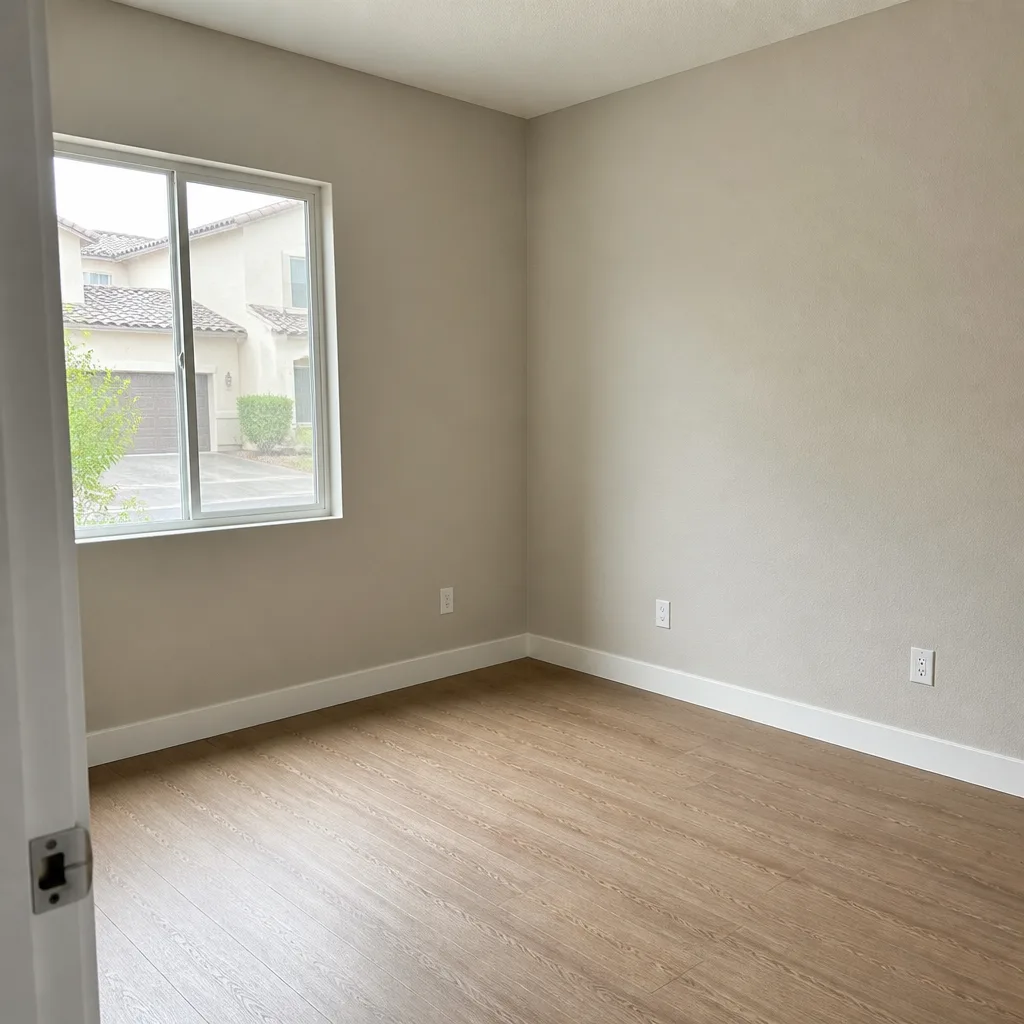 After
After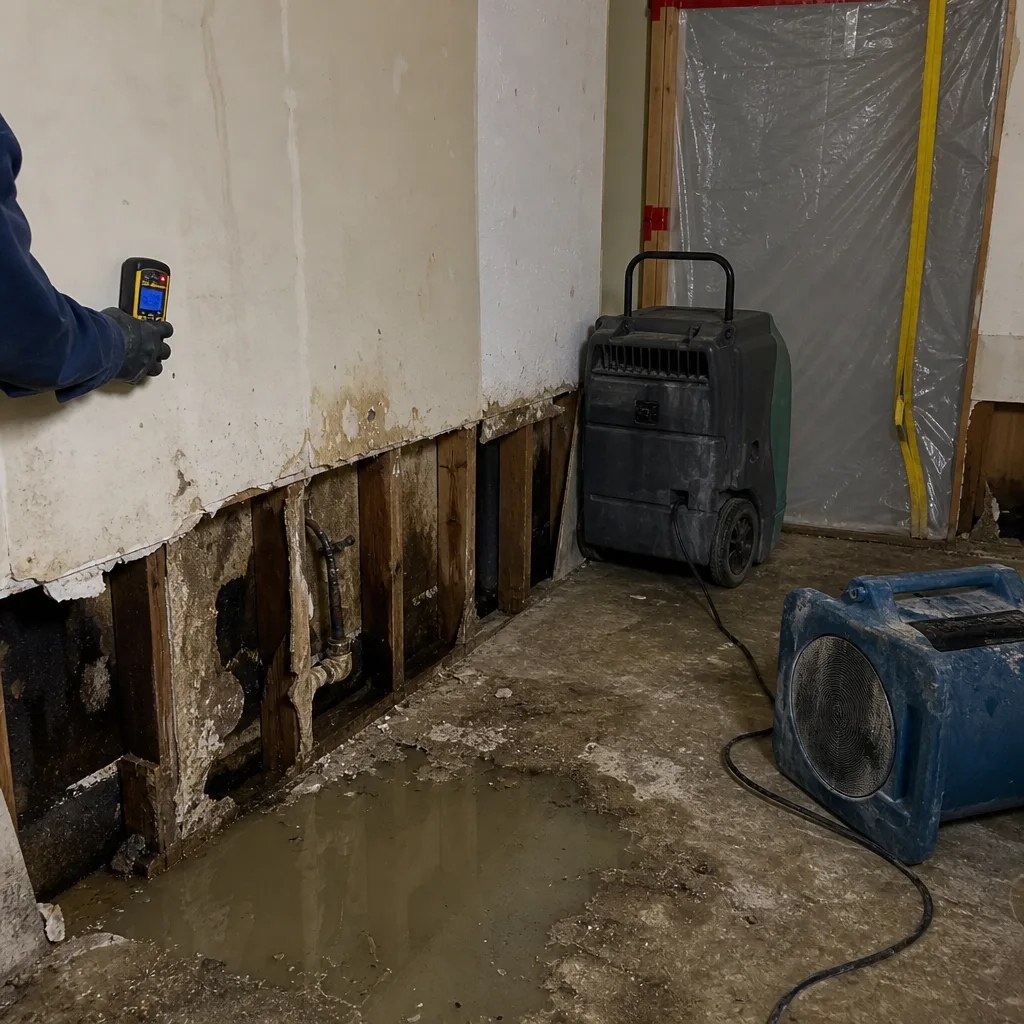 Before
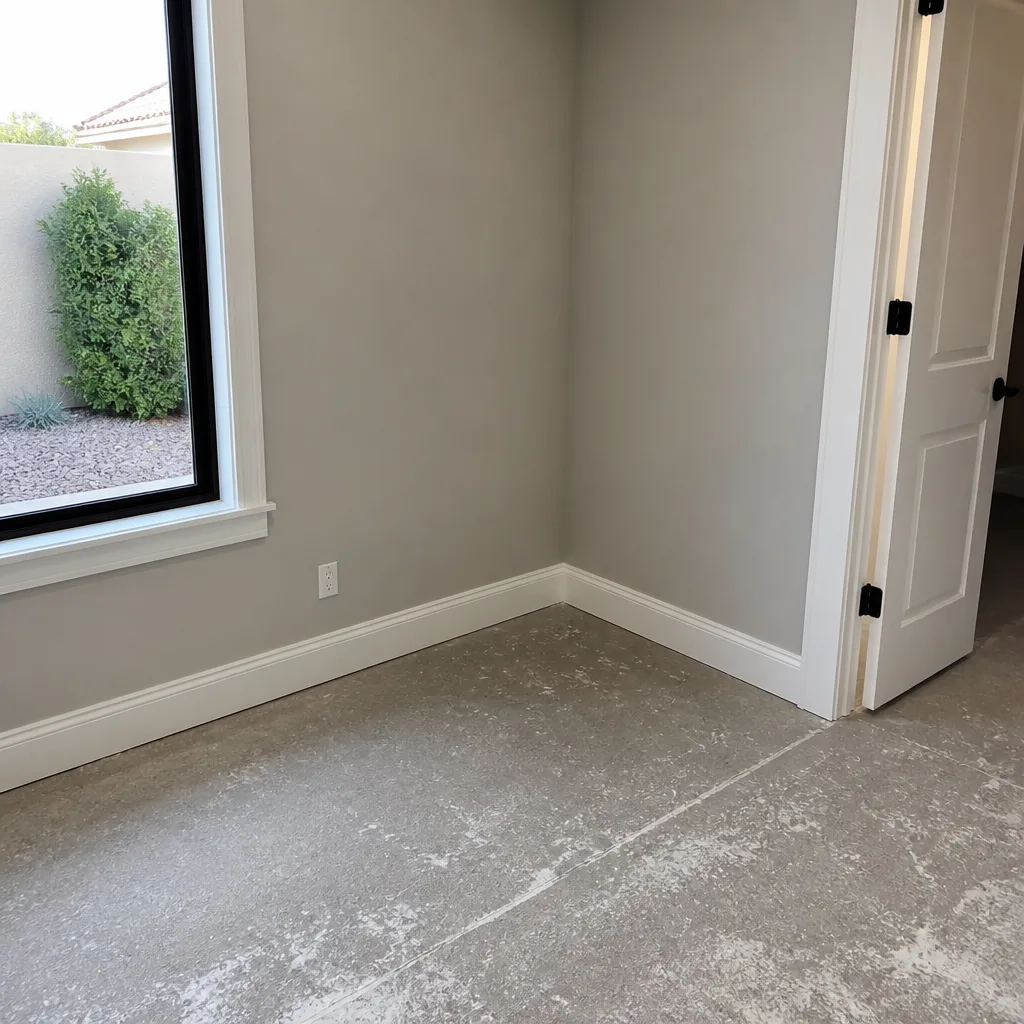 After
AfterDamage Restoration Permits, Codes & Inspections in NV: What You Need to Know
Clark County requires a building permit for drywall replacement exceeding 200 square feet in a single room - a threshold most Summerlin homeowners assume falls under cosmetic repair. A restoration company that skips this permit doesn’t just risk a code citation; they leave the homeowner with a liability that surfaces during escrow, when the buyer’s inspector finds unpermitted structural work and the title company demands retroactive permits or a price reduction. In this guide, we’ll walk through the specific permit triggers that convert restoration repairs into permitted projects, how missing permits void insurance coverage on repaired areas, and why a photo log without inspection sign-offs is not a substitute for code compliance. For more guides & resources, visit our blog.
Quick Answer
In Nevada, damage restoration work requires a Clark County building permit when it involves structural repairs, electrical or plumbing alterations, or drywall replacement exceeding 200 square feet per room. Unpermitted restoration can void your insurance coverage on the repaired area, trigger mandatory disclosure at resale, and force costly retroactive permitting. The permit sequence - rough framing, insulation, and final inspections - must be completed in order before walls close, and the contractor, not the homeowner, is legally responsible for pulling permits under NRS 624.
Table of Contents
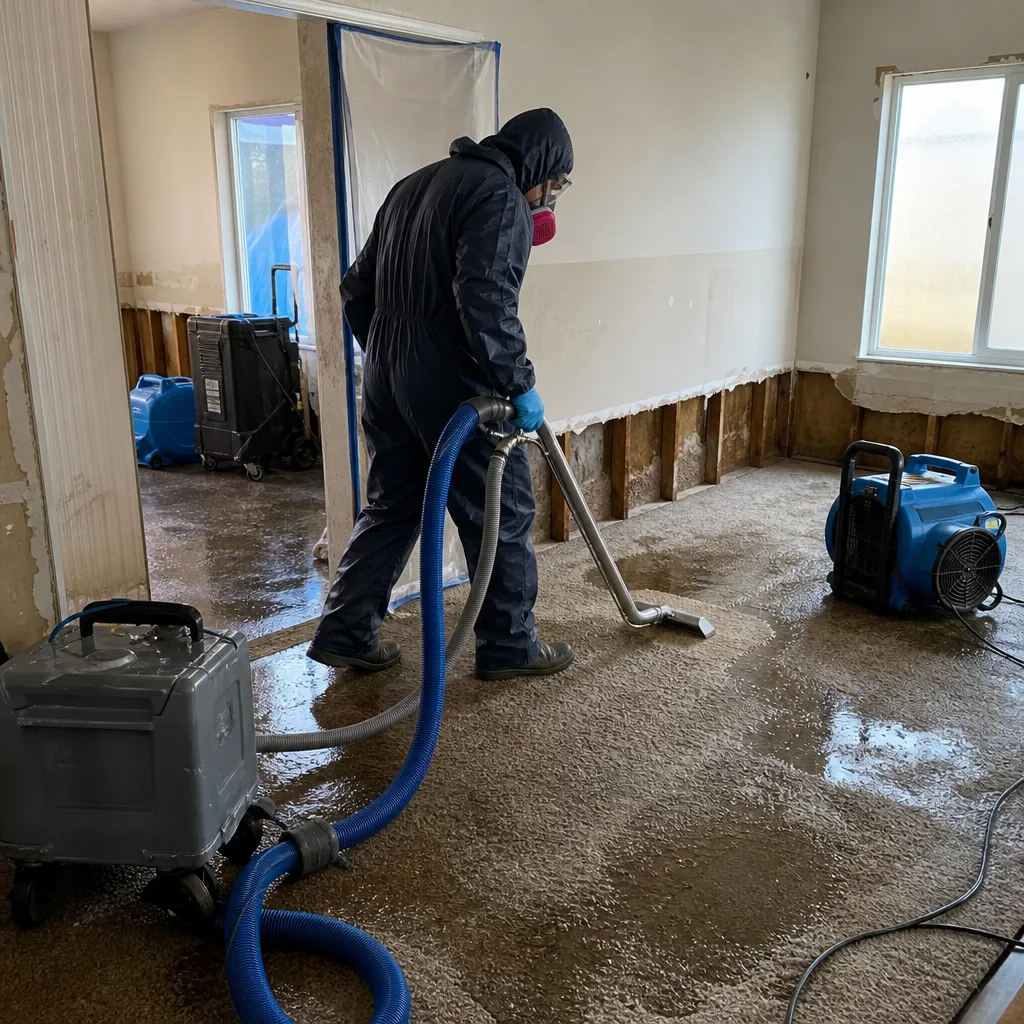
- When Is a Permit Required for Restoration Work in Clark County?
- The 200-Square-Foot Drywall Threshold Most Homeowners Miss
- How Missing Permits Void Insurance Coverage on Repaired Areas
- The Inspection Sequence for Water-Damaged Structures
- Nevada Contractor Responsibility: Who Must Pull the Permit
- Mold Remediation Reporting Thresholds Under Nevada Law
- Material Disclosure Obligations at Resale
- Common Mistakes to Avoid
- When to Call a Professional
- Frequently Asked Questions
BeforeAfterWhen Is a Permit Required for Restoration Work in Clark County?
Clark County Building Department operates under the Southern Nevada Amendments to the International Building Code, and their permit triggers for restoration work are more specific than most homeowners expect. The county distinguishes between cosmetic repair and structural restoration, and that distinction determines whether your water damage cleanup in Summerlin becomes a permitted construction project. See our Damage Restoration Warning Signs: A Summerlin Homeowner’s Reference Guide for early indicators that your repair may need permitting.
Permits are mandatory for any restoration work that includes:
- Structural repairs to load-bearing walls, floor joists, roof trusses, or foundation elements
- Electrical rewiring, panel replacement, or circuit additions following fire or water damage
- Plumbing line replacement or relocation, including sewer line restoration after sewage backup
- HVAC ductwork replacement or modification
- Drywall replacement exceeding 200 square feet within a single room
- Window or door replacement that alters the rough opening size
- Roofing replacement exceeding 100 square feet or involving structural decking
The 200-square-foot drywall threshold catches many Summerlin homeowners by surprise. A standard 12-by-14-foot bedroom has 168 square feet of floor area, but wall and ceiling drywall in that same room totals roughly 560 square feet. If a pipe burst in an upstairs bathroom and water traveled down interior walls into two bedrooms, you’re almost certainly over the permit threshold - even if the damage looks like “just drywall” to the untrained eye.
We’ve documented this scenario repeatedly in Water Damage Restoration in Summerlin jobs. A homeowner receives what appears to be a straightforward water damage repair quote: remove wet drywall, dry the cavity, replace drywall, texture, paint. The restoration company completes the work in three days. Two years later, the homeowner sells the property, and the buyer’s inspector notes fresh drywall with no permit history. The title company flags it. The seller must either obtain a retroactive permit - which requires opening walls for inspection - or accept a $15,000 price reduction.
Climate factors in Summerlin amplify this risk. Our desert environment produces extreme temperature swings, from 115°F summer afternoons to near-freezing winter nights. Drywall installed without proper vapor barrier inspection, or over insulation that wasn’t inspected for moisture content, develops condensation issues that appear years later. The permit inspection sequence exists precisely to catch these conditions before walls close.
The 200-Square-Foot Drywall Threshold Most Homeowners Miss
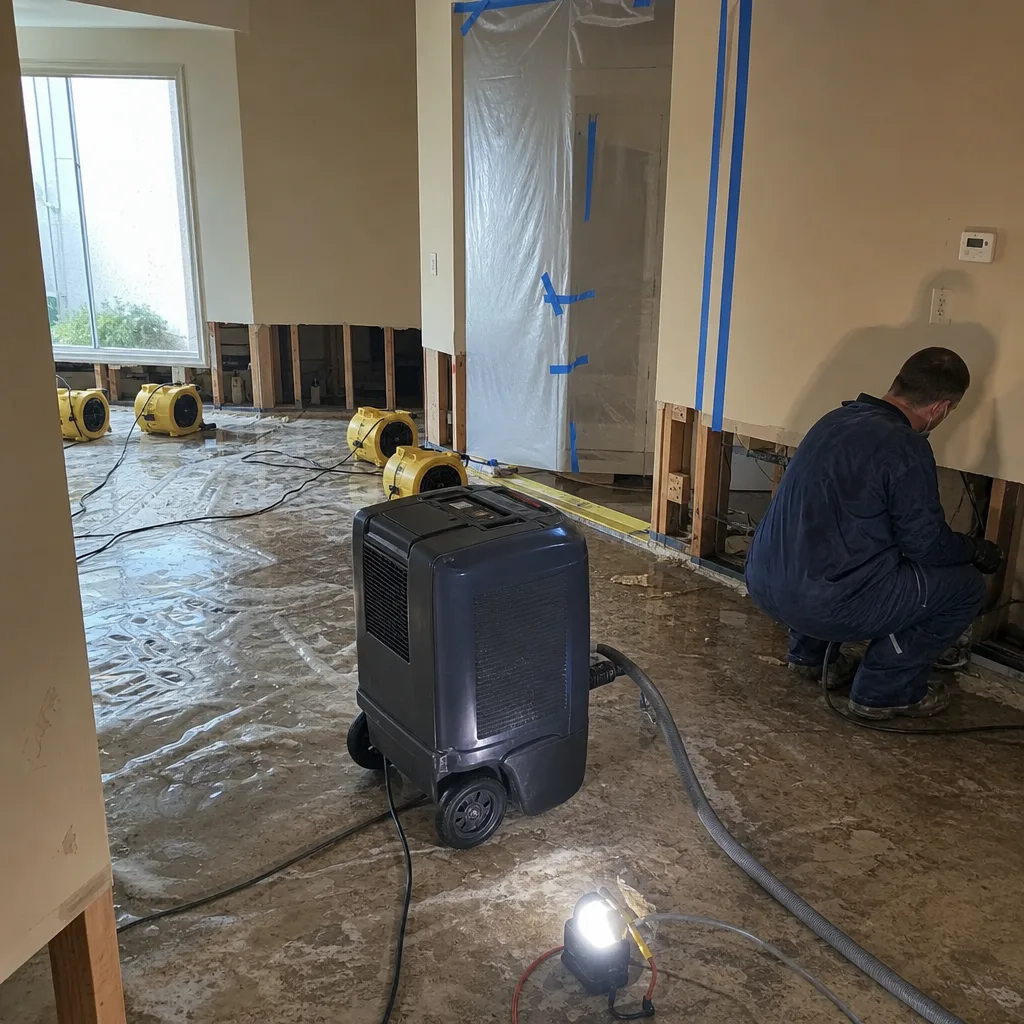
Clark County Code Section J105.2.3, as amended by the Southern Nevada Building Officials International, establishes the 200-square-foot drywall replacement threshold that converts cosmetic repair into permitted construction. This is not a cumulative total across the house - it’s per room, measured by surface area of drywall removed and replaced.
Here’s how the math works in practice for a typical Summerlin home:
| Room Dimensions | Floor Area | Wall + Ceiling Drywall | Permit Required? |
|---|---|---|---|
| 10′ x 10′ bedroom | 100 sq ft | 420 sq ft | Yes - exceeds 200 sq ft |
| 12′ x 12′ bedroom | 144 sq ft | 576 sq ft | Yes - exceeds 200 sq ft |
| 5′ x 8′ bathroom | 40 sq ft | 216 sq ft | Yes - exceeds 200 sq ft |
| 3′ x 5′ closet | 15 sq ft | 87 sq ft | No - under threshold |
| Single soffit chase | N/A | 45 sq ft | No - under threshold |
The threshold applies to the actual work performed, not the original room size. If water damage is limited to the lower 24 inches of drywall in a 12-by-12 bedroom - roughly 96 square feet of removal - no permit is required for that scope. But restoration companies often find hidden moisture extending higher, or discover compromised insulation behind the drywall, and the scope expands. Once replacement exceeds 200 square feet, the permit obligation triggers.
We’ve seen this expand unexpectedly in Summerlin’s older neighborhoods, particularly homes built during the 1990s construction boom. Those properties used paper-faced drywall in bathrooms and utility rooms, and once moisture reaches that backing, the affected area grows well beyond visible staining. Our crews document the actual square footage with photo measurement before cutting, so the homeowner understands whether the project crosses into permit territory before work begins. Haven Standard, Clause 1: written price before work starts - and that written price includes permit costs when applicable, never as a surprise addition.
How Missing Permits Void Insurance Coverage on Repaired Areas
Insurance policies contain a standard condition requiring compliance with applicable building codes and permit requirements. When restoration work proceeds without required permits, the insurer can deny future claims on the repaired area by characterizing the original loss as exacerbated by unpermitted, substandard work - even if the restoration quality was technically sound.
The mechanism works like this. A homeowner experiences a water loss in Summerlin. The restoration company completes drywall replacement without permits. Two years later, a separate plumbing failure occurs in the same wall cavity. The insurer sends an adjuster who discovers the prior unpermitted work. The adjuster notes that without permit inspections, there’s no documentation that the original moisture was fully remediated, that proper vapor barriers were installed, or that mold-resistant materials were used where required. The insurer denies the new claim on the basis that the prior unpermitted restoration created or concealed conditions that contributed to the new loss.
This is not theoretical. We’ve reviewed competitor estimates for DryMark Restoration Summerlin home customers who sought our Free Second Opinion on Any Written Estimate. In three cases from 2023-2024, the competitor’s scope omitted permit costs entirely, with a note that “permits not typically required for this type of work.” The work involved 400+ square feet of drywall replacement in master bedrooms with attached bathrooms. The permit obligation was clear, and the omission exposed the homeowner to exactly the insurance vulnerability described above.
Some policies go further. Certain homeowners endorsements, particularly those with “ordinance or law” coverage, explicitly require permit documentation for structural restoration claims. Without proof of permit, the insurer can deny not just the ordinance coverage portion but the entire structural restoration claim, arguing that the work was performed outside policy conditions. The homeowner is left with a repaired house and an unpaid $40,000 invoice.
Our documentation protocol addresses this directly. Every DryMark Restoration Summerlin job that triggers permit requirements includes the permit application, inspection schedule, and signed inspection approvals in the job file delivered to the homeowner. This file is organized for insurance submission, with permit documentation cross-referenced to the photo record and drying logs. When an adjuster reviews the file, they find a complete compliance trail - not just that work was done, but that it was done under code authority and verified by municipal inspection.
The Inspection Sequence for Water-Damaged Structures
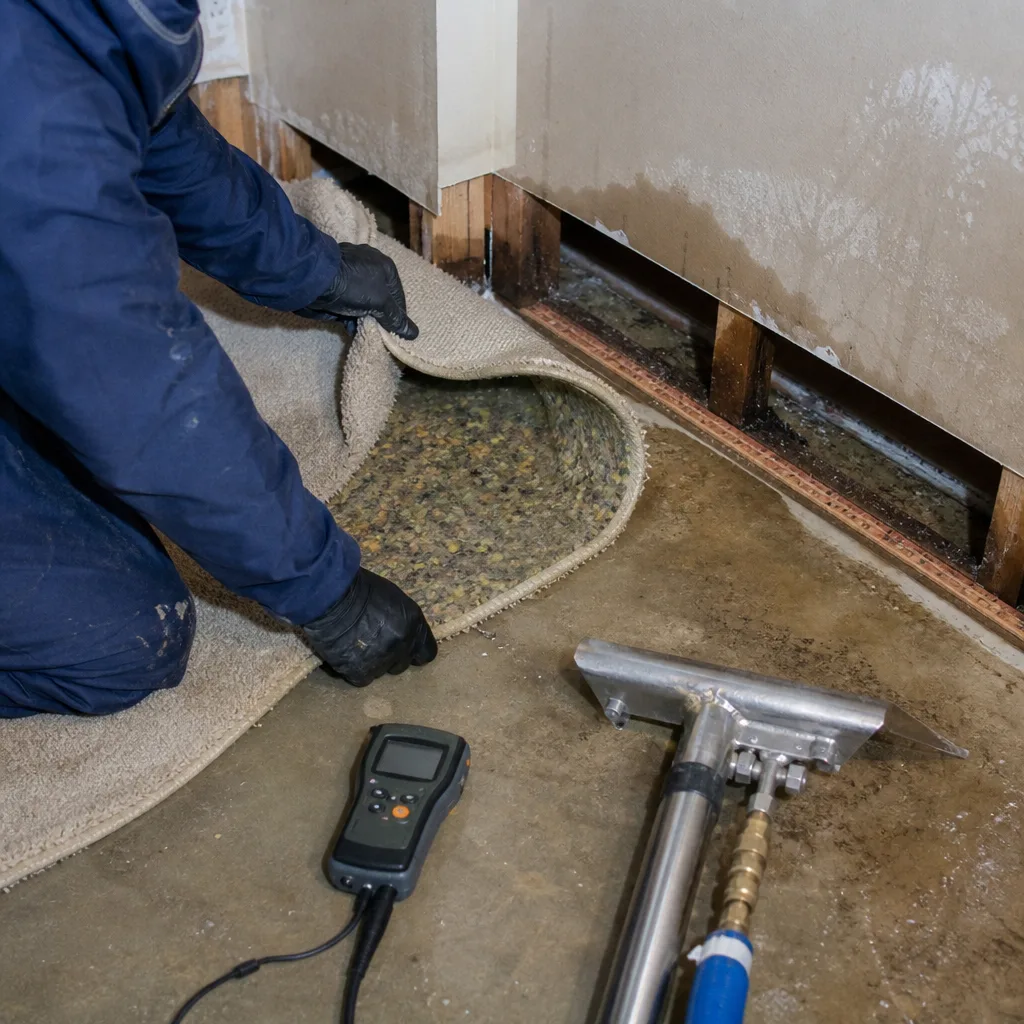
Clark County requires a specific inspection sequence for water-damaged structural repairs, and skipping or reordering these inspections invalidates the permit even if the final work passes visual review. The sequence exists because each inspection verifies conditions that subsequent construction conceals.
The required order is:
- Rough framing inspection. Verifies that structural members are properly sized, spaced, and connected; that damaged or decayed framing has been replaced; and that the structural integrity matches pre-loss condition. This inspection must occur before any insulation or mechanical systems are installed.
- Insulation and moisture barrier inspection. Verifies that cavity insulation meets R-value requirements for the Clark County climate zone, that vapor barriers are properly placed on the warm-in-winter side of the assembly, and that no moisture remains in the cavity before closure. This is where our documented moisture readings become critical - the inspector will verify that materials are dry, but our daily psychrometric data (temperature, relative humidity, and vapor pressure differential measurements) provides the timeline proving when drying was achieved.
- Drywall or lath inspection. Verifies that drywall type matches code requirements for the location (moisture-resistant in wet areas, fire-rated where required), that fastening patterns meet specification, and that joints are properly prepared for finishing. This inspection occurs before tape and mud.
- Final inspection. Verifies completed work against approved plans, confirms all prior inspections passed, and issues the certificate of completion required for insurance documentation and resale disclosure.
A photo log without inspection sign-offs is not a substitute for this sequence. We’ve reviewed competitor job files where 200 photos documented “dry” cavities - but without the insulation inspection sign-off, there’s no verification that the cavity was actually dry when closed, or that proper materials were used, or that the vapor barrier was correctly placed. The photos show what the camera saw at one moment; the inspection sign-off confirms what a code official verified against standard.
In Summerlin’s summer conditions, this distinction matters practically. Ambient humidity drops below 10% in July, which can produce surface dryness while subfloor or framing cores retain elevated moisture content. Our crews use penetrating moisture meters and thermal imaging to document core conditions, not just surface readings. The inspection sequence adds a municipal verification layer to this documentation - but the inspection only works if it’s performed before walls close.
We’ve encountered situations where well-meaning homeowners, eager to restore occupancy, pressured crews to close walls before the insulation inspection. The crew complied. Two years later, mold appeared, and the homeowner had no inspection sign-off proving proper materials were used. The restoration company was out of business. The homeowner bore the full remediation cost. Our Haven Standard protocol includes a written stop-work hold if inspections are not complete, with documentation sent to the homeowner explaining why the delay protects their long-term interest.
Nevada Contractor Responsibility: Who Must Pull the Permit
Nevada Revised Statutes 624.301 establishes that the licensed contractor performing the work is responsible for obtaining all required permits. This is not a shared obligation, and it cannot be contractually shifted to the homeowner. The statute reads that a contractor who “commences work without first having obtained the required permits” commits a deceptive trade practice, subject to disciplinary action by the Nevada State Contractors Board.
What this means for Summerlin homeowners: if your restoration company tells you to “pull the homeowner’s permit” or offers a lower price “if you handle permits yourself,” they are asking you to participate in a statutory violation. Our How to Hire a Damage Restoration Contractor in Summerlin: A Step-by-Step Guide shows you how to verify permit practices before signing. More practically, they are exposing you to liability that properly belongs with their license and insurance.
The contractor’s permit responsibility includes:
- Determining which permits apply to the scope of work
- Preparing and submitting permit applications with required documentation
- Paying permit fees (typically $200-$800 for residential restoration permits in Clark County, depending on project value)
- Scheduling all required inspections
- Ensuring inspection access and correcting any failed inspection items
- Obtaining and delivering final certificates of completion to the property owner
Homeowner recourse when a contractor skips permits is straightforward but time-sensitive. NRS 624.411 allows the State Contractors Board to investigate complaints and impose discipline including license suspension, civil penalties up to $10,000 per violation, and restitution orders. The homeowner should:
- Document the completed work with photos and the original contract scope
- Contact Clark County Building Department to confirm no permit exists for the address and date range
- File a complaint with the Nevada State Contractors Board within the four-year statute of limitations
- Request that the board order the contractor to obtain retroactive permits at their expense
Retroactive permitting is more expensive than original permitting - typically 150-200% of standard fees - and requires opening walls for inspection. The contractor who skipped the permit bears this cost if the board orders restitution. If the contractor is unlicensed or uncollectible, the homeowner may recover from the Residential Recovery Fund, a state pool funded by contractor license fees, up to $40,000 for residential projects.
At DryMark Restoration Summerlin, permit costs are itemized in every written scope before work begins. Haven Standard, Clause 1 requires this transparency. We pull permits through our licensed classification, schedule inspections around the drying timeline, and deliver completed permit files with final documentation. Our license number appears on every permit application, creating the public record that protects the homeowner’s title and insurance position.
Mold Remediation Reporting Thresholds Under Nevada Law
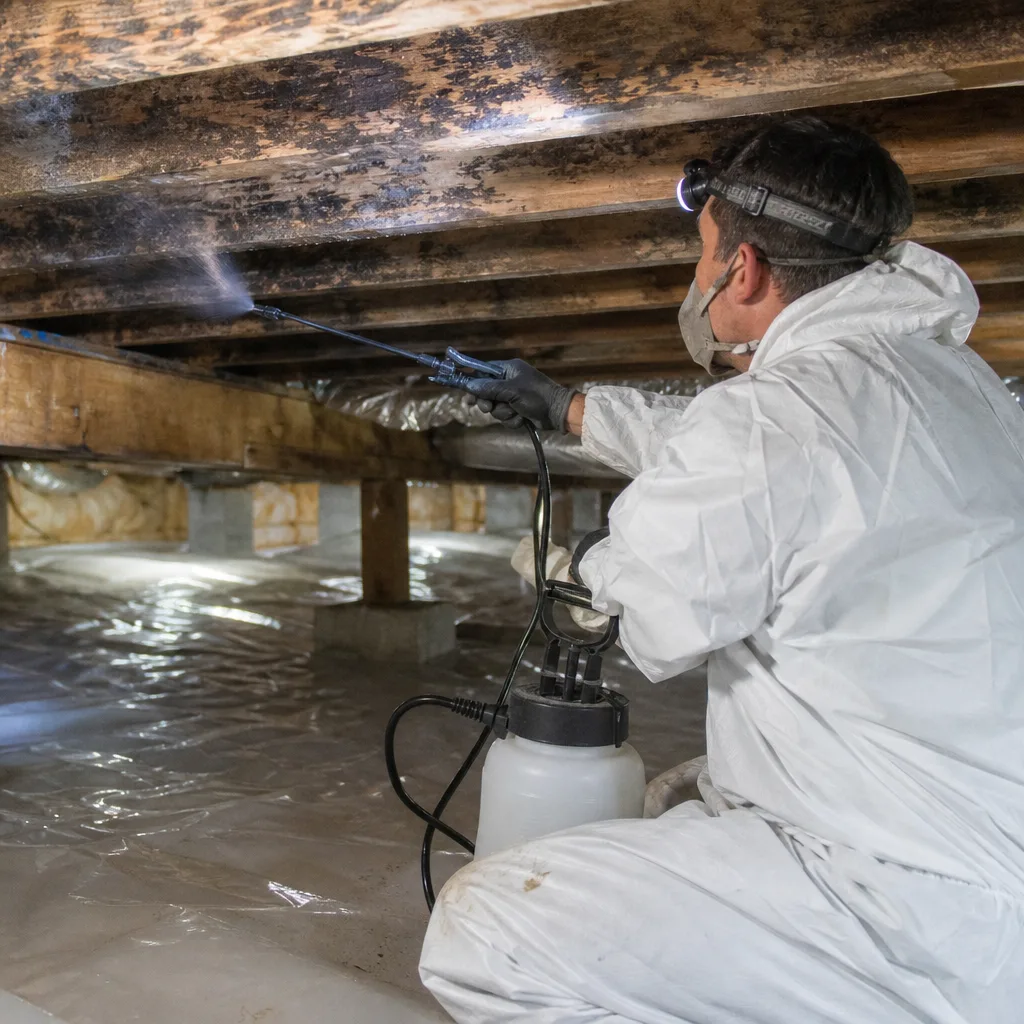
Nevada does not have a standalone mold remediation statute equivalent to California’s SB 655 or Texas’s mold assessment and remediation rules. However, mold remediation projects cross into mandatory notification territory through several intersecting requirements that Summerlin homeowners and restoration companies must navigate.
The threshold question is whether the project triggers occupational safety reporting. Nevada OSHA operates under federal OSHA standards, and mold remediation exceeding 30 square feet of contiguous visible growth in a regulated workplace requires a hazard communication plan and potentially respiratory protection protocols. While this applies directly to commercial properties, residential projects with employed workers - including restoration crews - fall under OSHA’s general duty clause if mold conditions create recognizable hazards.
More significantly for homeowners, Nevada’s real estate disclosure law (NRS 113.130) requires sellers to disclose “any material defect in the property.” Nevada courts have interpreted active mold growth, or a history of mold remediation, as material defects requiring disclosure. The disclosure obligation is not triggered by the mold itself - it’s triggered by what the seller knows. A restoration company that performs mold remediation without documenting the scope and cause creates a knowledge gap: the homeowner knows something happened, but lacks the documentation to disclose accurately.
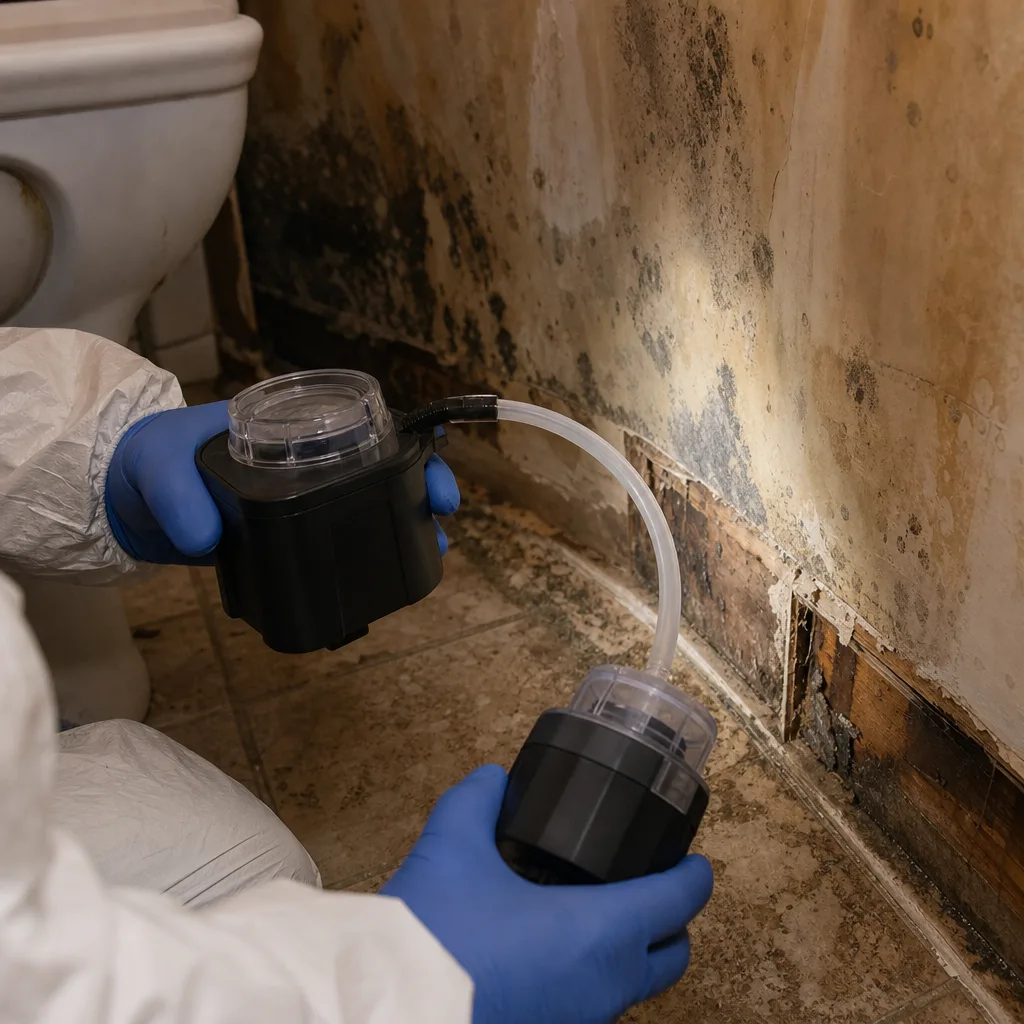
We’ve handled Mold Remediation in Summerlin projects where the prior restoration company performed “cleaning” without documenting whether structural materials were removed, whether the moisture source was identified and repaired, or whether post-remediation verification testing was performed. The homeowner, years later, faces a disclosure dilemma: state that mold was “cleaned” without details, or risk nondisclosure liability. Our documentation protocol includes a written mold remediation report with cause analysis, scope of removal, drying verification, and post-remediation clearance criteria - the exact documentation needed for accurate disclosure.
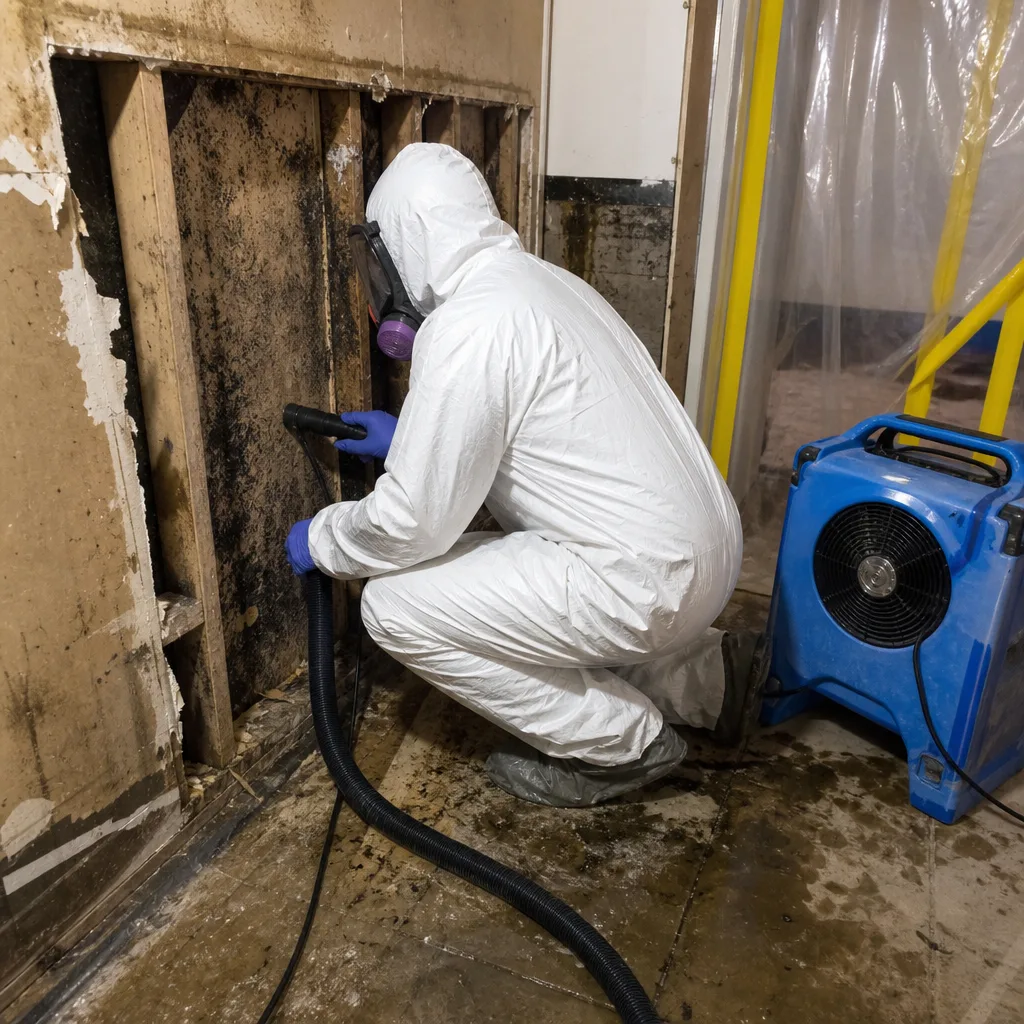
When mold remediation involves structural repairs - subfloor replacement, wall cavity opening, HVAC duct removal - the project also triggers the permit requirements discussed above. The intersection is common: a Summerlin water loss produces visible mold, the remediation requires drywall removal exceeding 200 square feet, and the subsequent repair requires permitted reconstruction. A restoration company that treats this as “just mold cleanup” without addressing the permit and documentation obligations leaves the homeowner with incomplete compliance on multiple fronts.
Our crews are trained to identify these intersections during initial assessment. If mold is visible and the moisture source involves a plumbing failure, we document both the mold scope and the structural repair scope, identify permit triggers, and present a unified written scope addressing all compliance requirements. The alternative - sequential contractors, each addressing one piece - almost always produces gaps in documentation and compliance.
Material Disclosure Obligations at Resale
Nevada’s Seller’s Real Property Disclosure Form (SRPD) requires disclosure of “any water intrusion, flooding, or moisture problems” and “any repairs or alterations made without required permits.” These two disclosure lines intersect directly for restoration work, and the intersection creates the liability that surfaces at the worst possible moment: during escrow, when the buyer has leverage and alternatives.
The disclosure obligation is not limited to current conditions. NRS 113.130 requires disclosure of “any material facts that affect the value or desirability of the property.” A history of unpermitted restoration, even if visually undetectable, affects value because it creates title and insurance uncertainties that buyers discount. A $400 permit skipped during restoration becomes a $15,000 price reduction at sale - if the sale proceeds at all.
Summerlin’s market dynamics amplify this risk. Properties in The Ridges, Tournament Hills, and other premium neighborhoods attract sophisticated buyers with experienced inspectors. These inspectors routinely check permit history against visible repairs, and title companies in these transactions require permit verification for any work performed within the statutory lookback period. Nevada’s lookback is not explicitly limited - courts have enforced disclosure obligations for decades-old conditions when the seller had knowledge.
The documentation that prevents this liability is specific and cumulative:
- Permit applications and approvals for all structural, electrical, plumbing, and HVAC work
- Inspection sign-offs for each required inspection phase
- Written scope of work with material specifications
- Photo documentation with date stamps showing before, during, and after conditions
- Moisture readings and drying logs proving complete remediation
- Contractor license verification and insurance certificates
We deliver this documentation as standard on every DryMark Restoration Summerlin job, organized in a file format designed for future disclosure. When our customers sell their homes, they have the complete record to provide accurate, protective disclosure - or to demonstrate that no disclosure is required because the work was properly permitted and inspected.
The alternative, unfortunately common, is a homeowner who knows repairs occurred but has no documentation. They must either disclose vaguely and scare buyers, or disclose incompletely and risk post-sale liability. Neither outcome serves the homeowner who thought they were hiring a restoration company, not creating a future legal problem.
Common Mistakes to Avoid
- Assuming cosmetic appearance determines permit need. In Clark County, the permit trigger is the scope of work performed, not how it looks when finished. A perfectly textured and painted wall that replaced 300 square feet of water-damaged drywall without a permit is a code violation waiting to surface.
- Accepting “permits included” without seeing the application. Some restoration companies include permit fees in their price but never actually apply. Always request the permit application number and verify it with Clark County Building Department before work begins.
- Closing walls before the insulation inspection. This is the most common sequence error in water damage restoration. Once drywall covers the cavity, the inspector cannot verify that insulation is dry, properly placed, and meets code R-value for our desert climate zone.
- Treating mold remediation as separate from structural permits. When mold remediation requires removing drywall beyond the 200-square-foot threshold, the subsequent repair requires permitted reconstruction. Companies that “specialize” in mold without structural licensing often miss this intersection.
- Failing to document the moisture source and repair. Nevada disclosure law requires accurate information about what caused damage and how it was fixed. A restoration company that cleans mold without identifying and documenting the plumbing leak source leaves the homeowner unable to disclose completely.
- Hiring unlicensed contractors for “emergency” work. Nevada law requires licensing for any construction work over $1,000 or any work requiring permits. Unlicensed contractors cannot legally pull permits, and their work creates no recourse path through the State Contractors Board or Residential Recovery Fund.
When to Call a Professional
Call a licensed restoration contractor before you sign any work authorization if your damage involves structural materials, electrical or plumbing systems, or more than minimal drywall replacement. The permit and documentation obligations begin with the first cut into a wall cavity, and early assessment determines whether your project crosses into regulated territory. Fire & Smoke Damage Restoration in Summerlin almost always triggers multiple permit categories - structural, electrical, and mechanical - and requires coordinated inspection scheduling that inexperienced contractors mishandle.
DryMark Restoration Summerlin offers free estimates in Summerlin - call (725) 216-2692. Every estimate includes permit scope analysis, written pricing before work begins under Haven Standard, Clause 1, and a documented photo record on every visit. We pull all required permits through our Nevada contractor license, schedule inspections around the drying timeline, and deliver complete compliance documentation with every job file.
Frequently Asked Questions
Residential restoration permits in Clark County typically range from $200 to $800 depending on project valuation, with most water damage and fire restoration projects falling between $350 and $550. The fee is based on the estimated cost of work, not the contractor’s price, and includes all required inspections. Call (725) 216-2692 for an exact quote on your specific scope - estimates are free.
You can sell, but you’ll face disclosure obligations and likely price reductions. Nevada law requires disclosure of unpermitted repairs, and buyers’ lenders or title companies may require retroactive permits before closing. Retroactive permitting costs 150-200% of original fees and requires opening walls for inspection. The better path is verifying permit status before listing and obtaining any missing permits proactively.
Insurance adjusters increasingly review permit history for structural claims, particularly when damage occurs in previously repaired areas. Some policies explicitly require permit documentation for ordinance or law coverage. Missing permits give insurers grounds to deny or limit claims by characterizing prior work as substandard. Documented permits protect your coverage position.
Under NRS 624.301, the licensed contractor is legally responsible for obtaining permits. You can file a complaint with the Nevada State Contractors Board, which can order the contractor to obtain retroactive permits at their expense, impose civil penalties, and suspend their license. If the contractor is uncollectible, you may recover up to $40,000 from the state Residential Recovery Fund for residential projects.
Mold remediation itself does not require a separate mold permit, but it often triggers structural permits when removal exceeds 200 square feet of drywall or involves subfloor, framing, or HVAC components. The more critical requirement is documentation: Nevada disclosure law treats mold history as a material defect, and incomplete remediation documentation creates future liability. Proper mold remediation includes written scope, cause analysis, and post-remediation verification.
Contact Clark County Building Department at (725) 216-2692 or search the online permit portal with your property address. Active permits appear within 2-3 business days of application. Request the permit application number from your contractor before work begins, and verify it independently. A legitimate contractor has no objection to this verification; it’s standard practice in our documentation protocol.
The Bottom Line
Unpermitted restoration work in Nevada creates a liability chain that extends far beyond the immediate repair. It voids insurance coverage on repaired areas, triggers mandatory disclosure at resale, and converts a straightforward water or fire damage cleanup into a title problem that surfaces years later. The specific thresholds - 200 square feet of drywall replacement, any structural or electrical work, any plumbing alteration - are not suggestions; they are code requirements with enforcement mechanisms. The inspection sequence exists to verify conditions that walls conceal, and a photo log without inspection sign-offs is not a substitute. Contractors are legally responsible for permits, and homeowners have recourse when they skip them - but prevention through proper documentation is far less costly than correction. Every restoration project should begin with a written scope that identifies permit needs, includes permit costs transparently, and delivers completed compliance documentation as a standard deliverable.
Written by Alicia Brennan, Owner at DryMark Restoration Summerlin, serving Summerlin since 2011.