
Last updated September 23, 2026
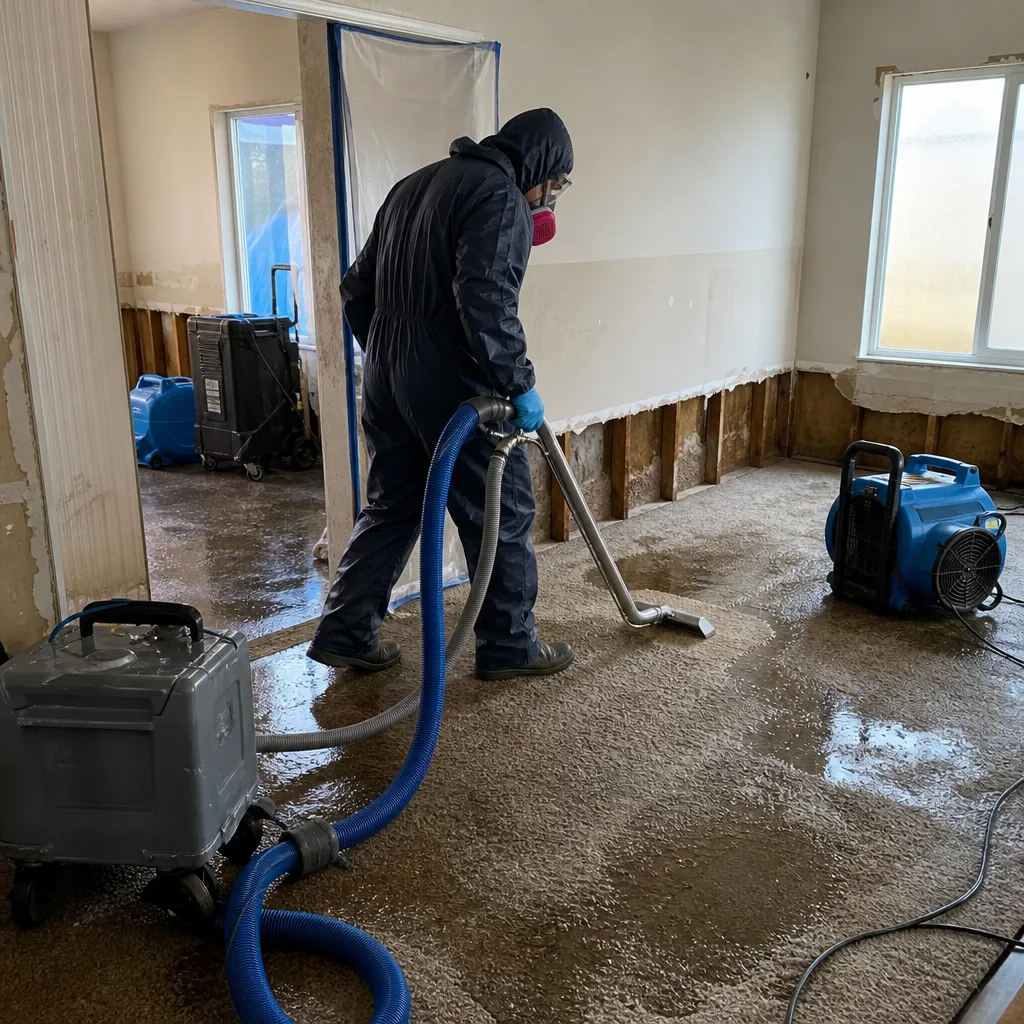
Free visual inspection and a written scope of work before any mitigation begins - photos, moisture readings, and drying logs go in your claim file
The scope we write is the scope we bill. Anything new gets shown to you, in writing, before we touch it.
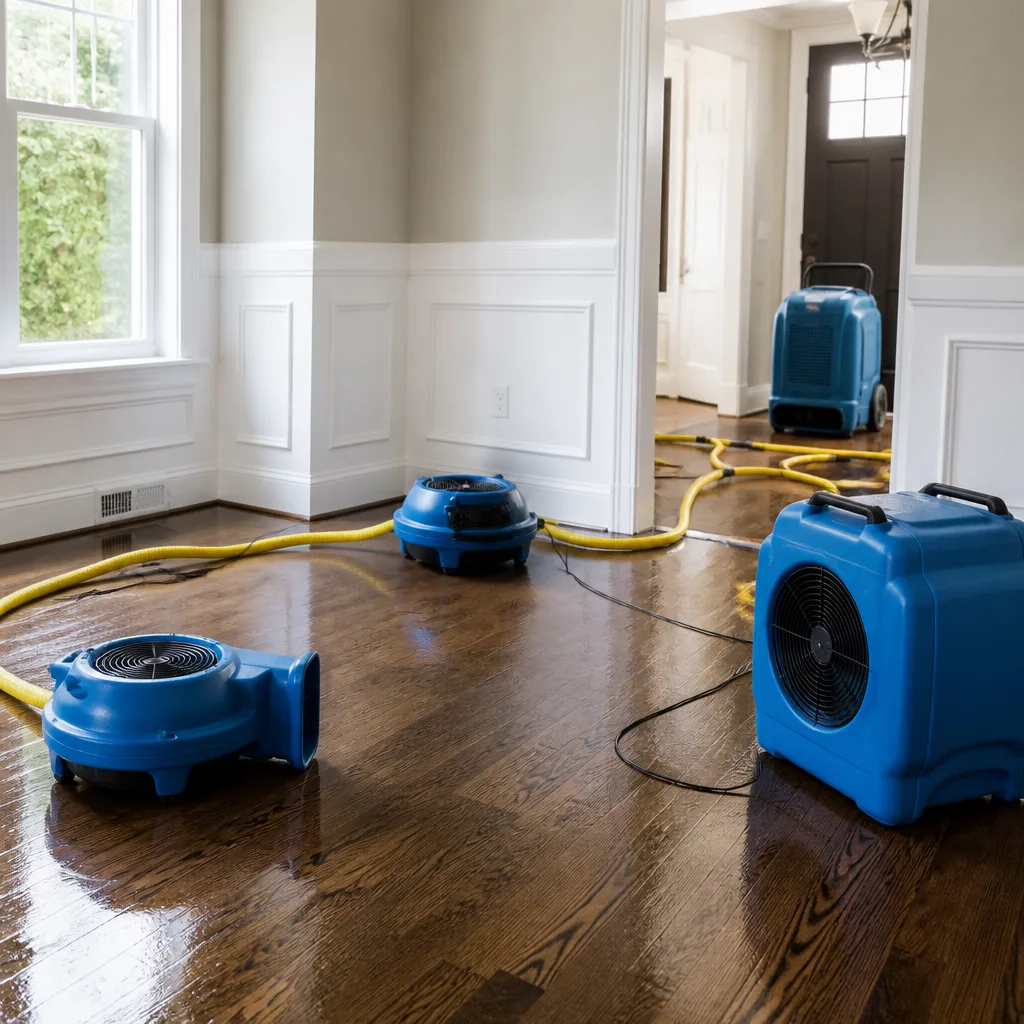
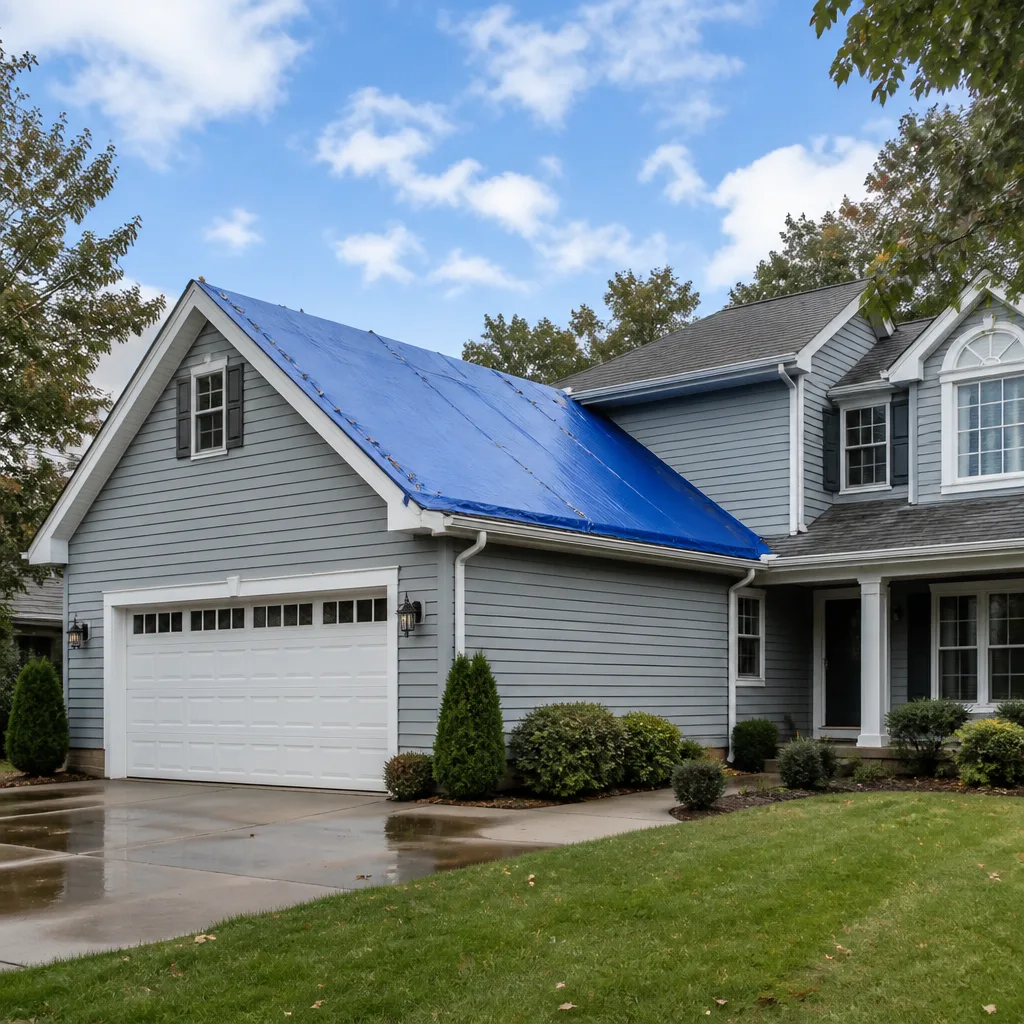
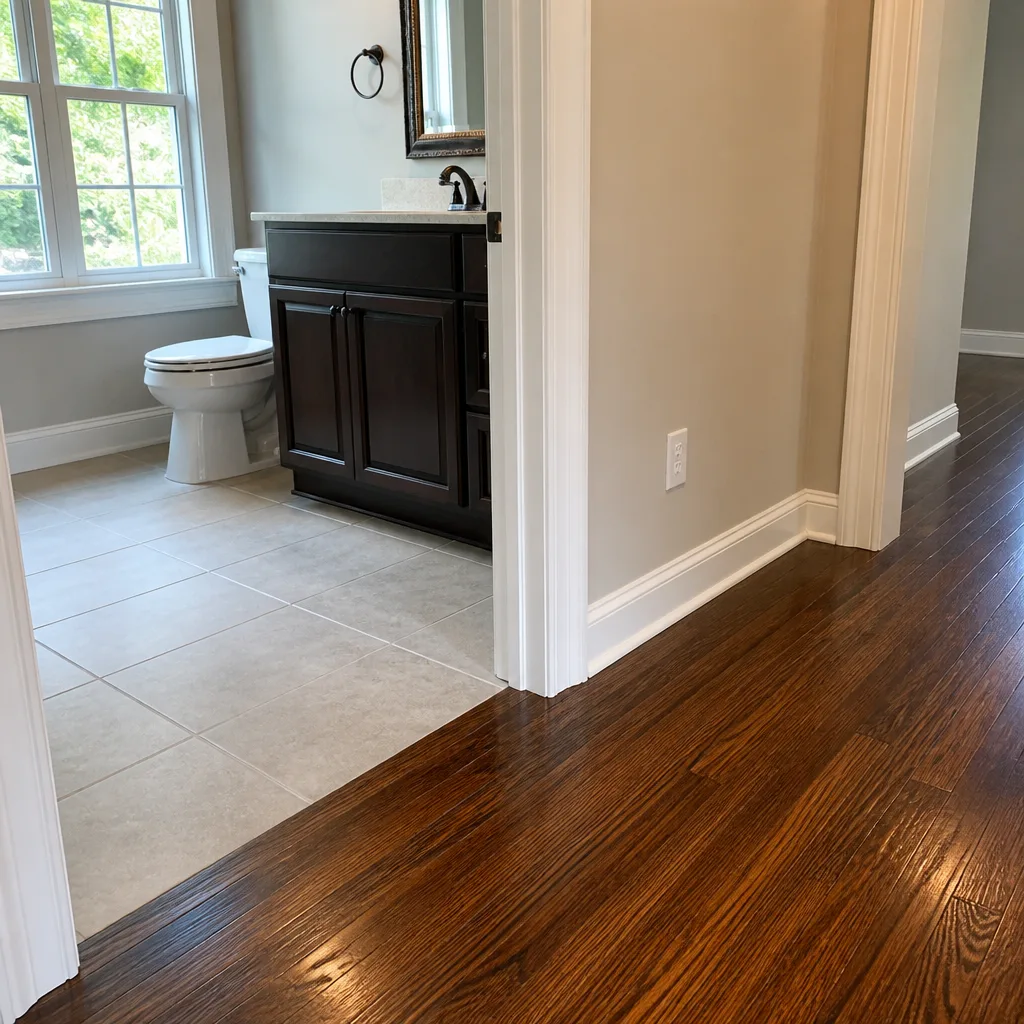
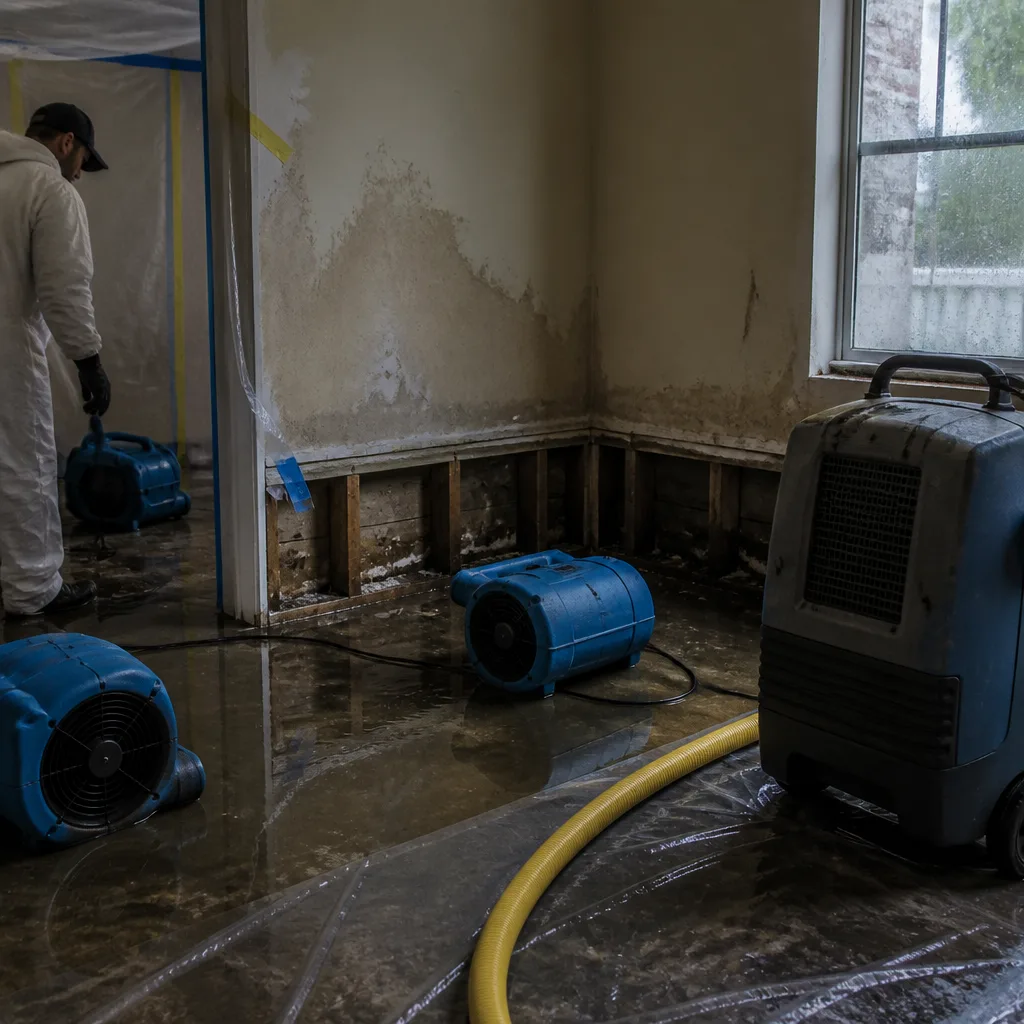 Before
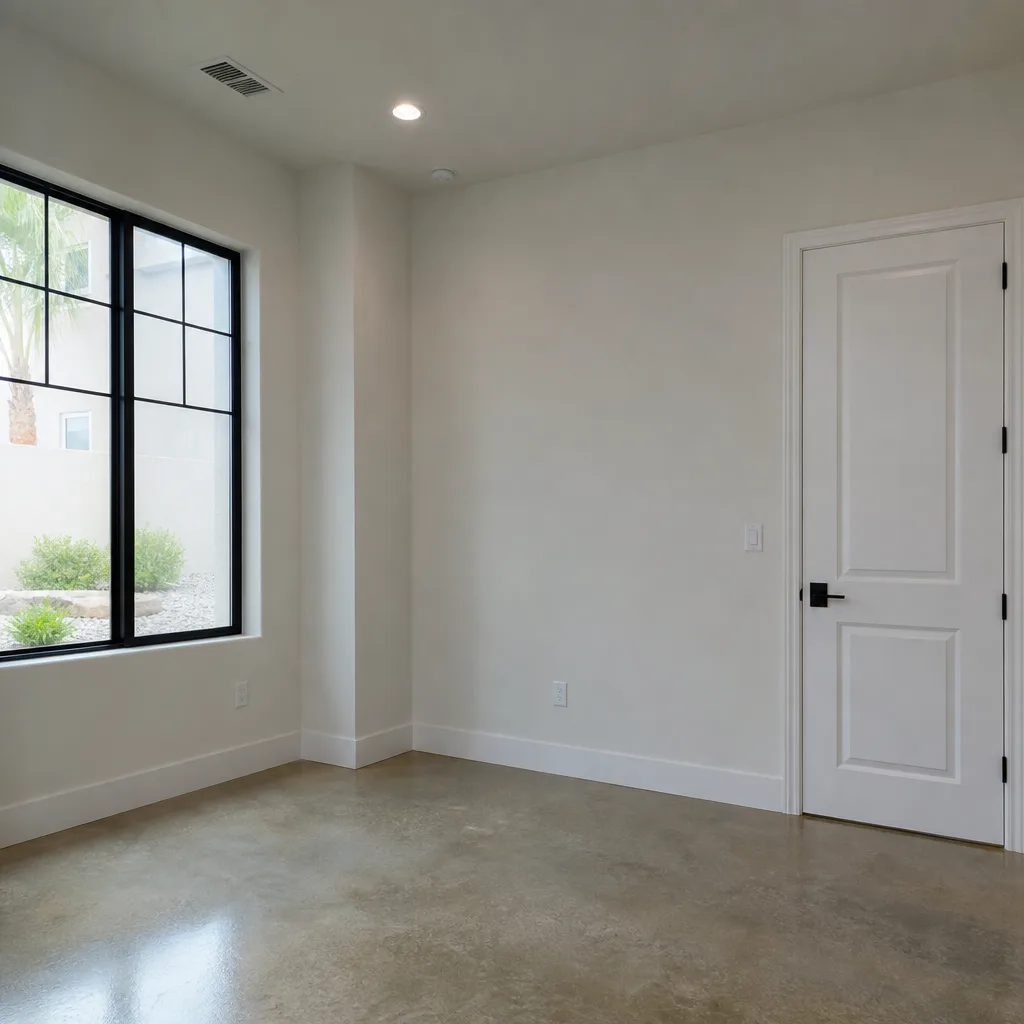 After
After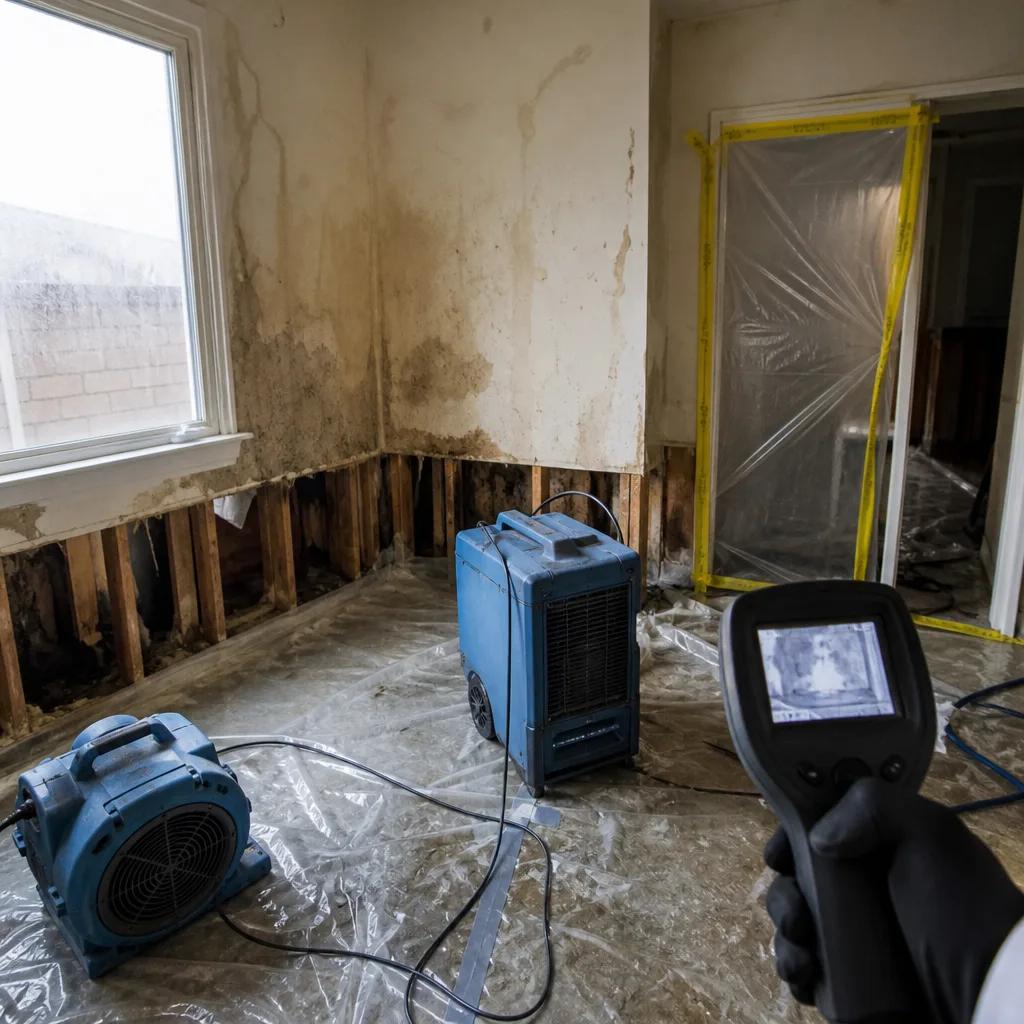 Before
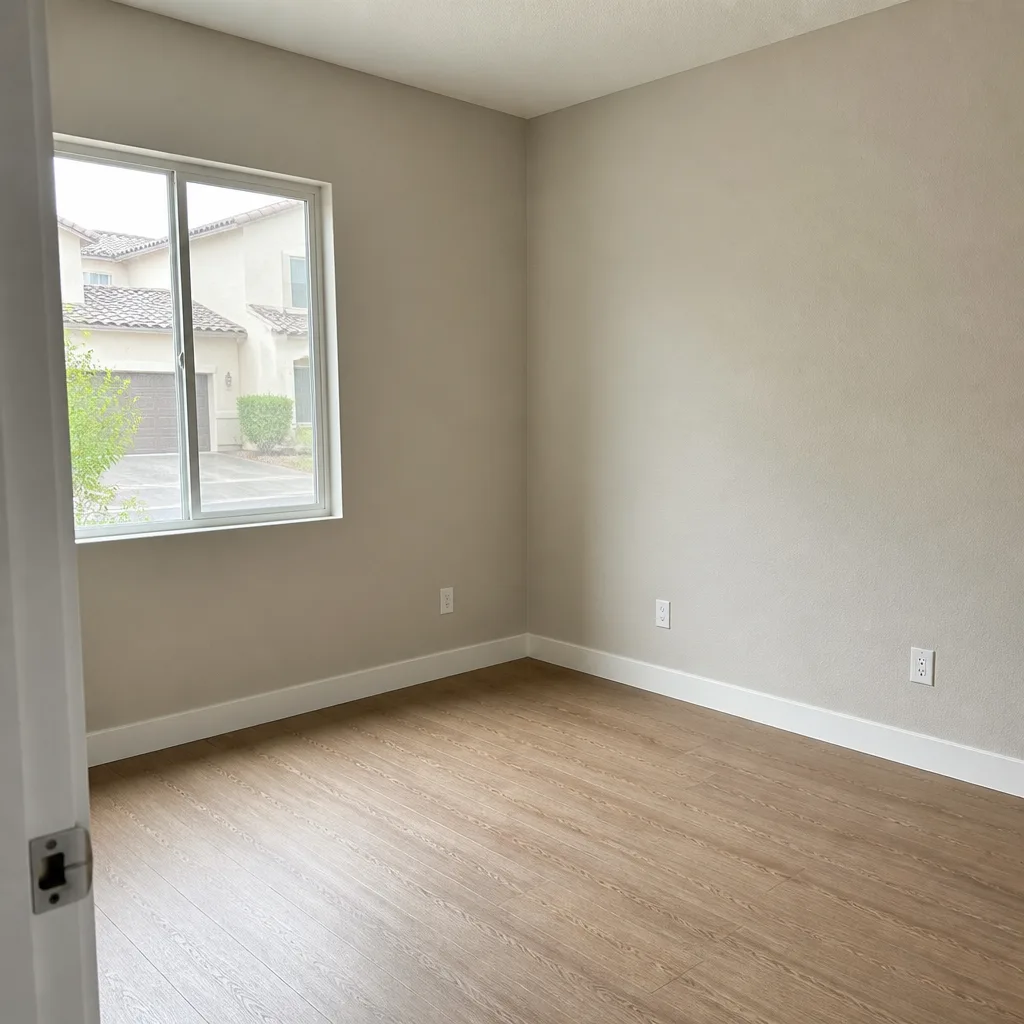 After
After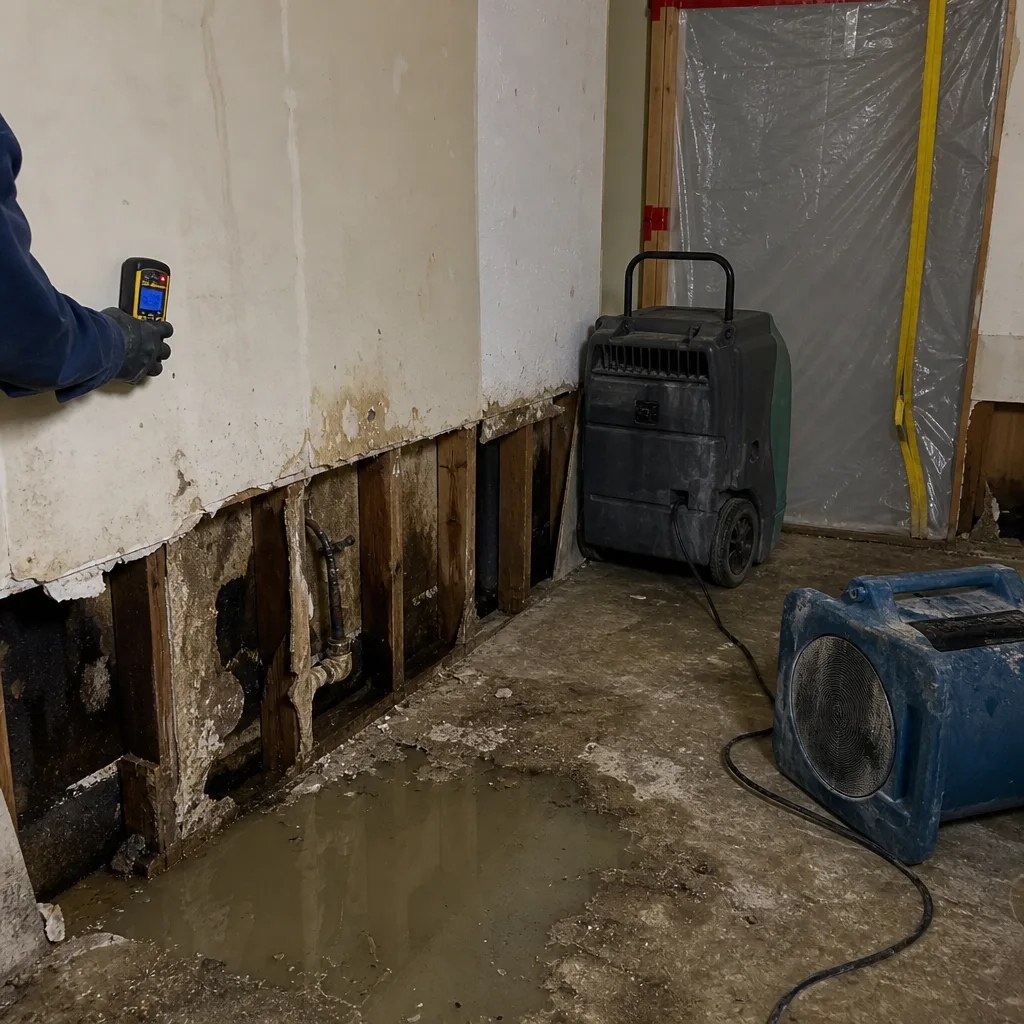 Before
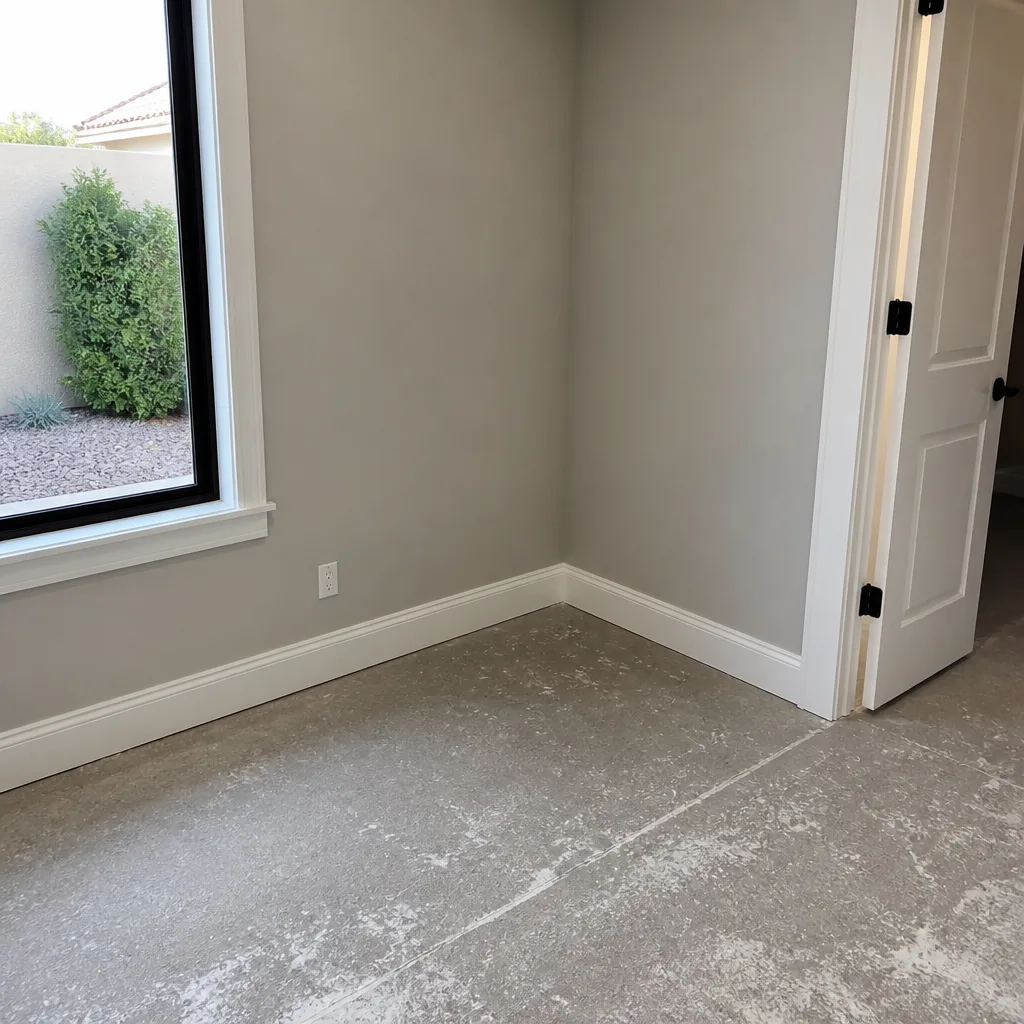 After
AfterSeasonal Damage Restoration Care for Summerlin: Year-Round Homeowner’s Guide
Summerlin’s July-September monsoon season delivers more water in 90 days than the other nine months combined, yet most homeowners here moved from climates where “storm prep” meant snow shovels and gutter heaters, not flat-roof drain scouring and stucco crack sealing. In our experience restoring over 12,000 homes since 2011, the losses that cost Summerlin homeowners the most aren’t from the storms they expected - they’re from the three freeze nights per year that catch them off guard, the HVAC transition in March and October that floods ceilings through clogged condensate lines, and the slow leaks that insurers deny because nobody documented the sudden loss within 24 hours. This guide rebuilds the year around Summerlin’s actual damage calendar: monsoon load, HVAC transition stress, and winter pipe exposure in a desert climate that rarely freezes but does so suddenly. For deeper context, see The Complete Guide to Damage Restoration in Summerlin.
Quick Answer
Seasonal damage restoration care in Summerlin means preparing for concentrated monsoon water load from July through September, managing HVAC condensate overflow during the March and October system transitions, and protecting against the three to five freeze nights per year that expose uninsulated pipe runs in typical Summerlin construction. The homeowners who fare best maintain a documented inspection log with dated photos, moisture readings, and weather event descriptions - the same documentation that turns a restoration invoice into a claim an insurer pays without dispute. DryMark Restoration Summerlin provides free estimates and a written price before any work begins under Haven Standard, Clause 1.
Table of Contents
- Pre-Monsoon Checklist: May-June Preparation
- Monsoon Response Protocol: July-September
- HVAC Transition Risk: October and March
- Winter Freeze Preparedness: December-February
- Post-Event Inspection Log Template
- Year-Round Maintenance Schedule
- Common Mistakes to Avoid
- When to Call a Professional
- Frequently Asked Questions
BeforeAfterPre-Monsoon Checklist: May-June Preparation
Most Summerlin homes built between 1995 and 2015 carry flat or low-slope roof sections over master suites, casitas, and garage wings - the exact geometry that traps monsoon water when drains clog with palo verde blossoms, dust, and gravel from deteriorating cap sheets. We’ve pulled saturated drywall from these areas every July for fourteen years. The preparation window is narrow: once the North American Monsoon establishes over southern Nevada in early July, the first severe storm typically arrives within ten days.
Here’s what we document on every pre-monsoon inspection we perform in The Trails, The Ridges, and Red Rock Country Club - part of our Water Damage Restoration Maintenance Checklist for Summerlin Homeowners:
- Flat roof drain clearing: Remove all debris from scuppers, internal drains, and overflow drains. Water should flow freely through a 4-inch drain at a rate of at least 3 gallons per minute - test with a hose and time it. If water pools deeper than 1/4 inch thirty minutes after the test, the drain line may be obstructed below the roof membrane. Photograph the flow rate and any standing water with date stamps.
- Stucco crack sealing: Hairline cracks wider than 1/16 inch at any point along window returns, door bucks, or parapet caps will admit wind-driven rain during a monsoon microburst. Seal with elastomeric caulk rated for 300% elongation, not standard acrylic latex. Document each crack location with a photo showing a ruler or coin for scale - insurers frequently classify unsealed stucco cracks as “maintenance neglect” and deny resulting interior damage.
- Window weep hole inspection: Summerlin’s aluminum and vinyl window systems depend on weep holes at the sill to drain water that bypasses the primary seal. Blockage is visible: insert a 3/32-inch weed whacker line into each weep hole - it should pass through freely to the exterior. If resistance occurs within 1 inch, the weep channel is packed with dust or insect debris. Clean with compressed air at 30 PSI maximum to avoid damaging the sill dam. Record the count of cleared weep holes per window unit.
- Secondary drainage verification: For homes with rooftop HVAC units, verify the secondary condensate drain terminates visibly at the exterior - not into a hidden roof drain where a blockage would go undetected until ceiling collapse. The 2018 IRC and local amendments require this termination for a reason we’ve seen ignored dozens of times.
Cost range for professional pre-monsoon inspection and minor sealing in Summerlin: $280-$450 for a single-story home up to 3,000 square feet, with written scope and photo documentation included. Water damage restoration in Summerlin after monsoon failure typically runs $3,200-$8,500 for affected drywall, insulation, and flooring - the inspection pays for itself if it prevents one event.
Monsoon Response Protocol: July-September
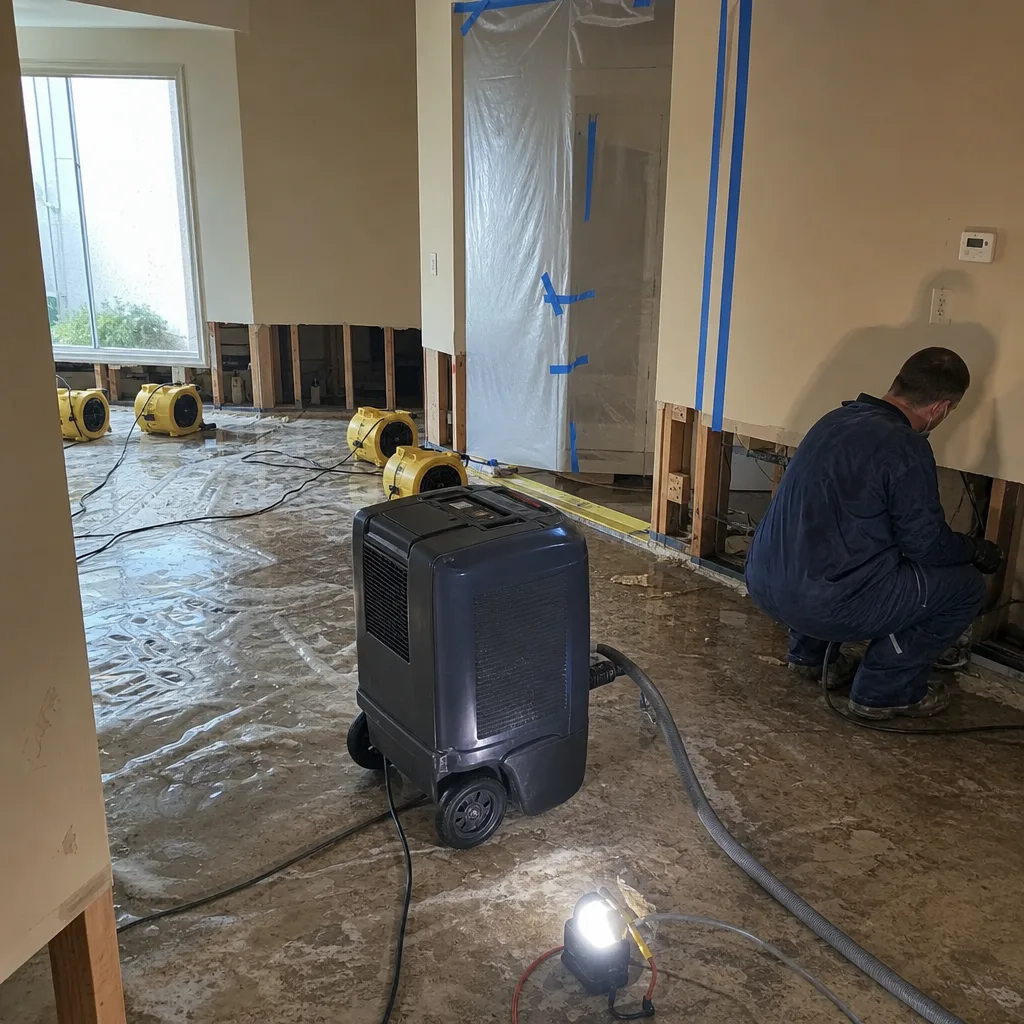
Summerlin’s monsoon pattern isn’t gradual rain - it’s isolated convective cells dropping 1.5 to 3 inches in ninety minutes onto a single subdivision while adjacent neighborhoods stay dry. The damage mechanism is wind-driven water intrusion through envelope failures that never leaked during gentle rain, combined with flash flooding that overwhelms drainage infrastructure designed for desert aridity.
The critical window is the first 24 hours. Insurers classify water damage as “sudden and accidental” - covered under standard HO-3 policies - only when documentation supports that characterization. A claim filed two weeks after the event, with no contemporaneous weather record or moisture readings, frequently gets reclassified as “long-term leakage” and denied.
Immediate Documentation Protocol (First 4 Hours)
- Photograph the weather event in progress if safe to do so - timestamped images of rainfall intensity, hail, or wind damage to landscaping establish the storm’s severity. Screenshot local weather radar from the National Weather Service Las Vegas office showing the cell’s position over your ZIP code.
- Photograph all points of water entry before moving any contents: the exact stucco crack, the window frame gap, the roof drain overflow pattern. Include a reference object for scale. These photos prove the water path and distinguish storm intrusion from pre-existing maintenance issues.
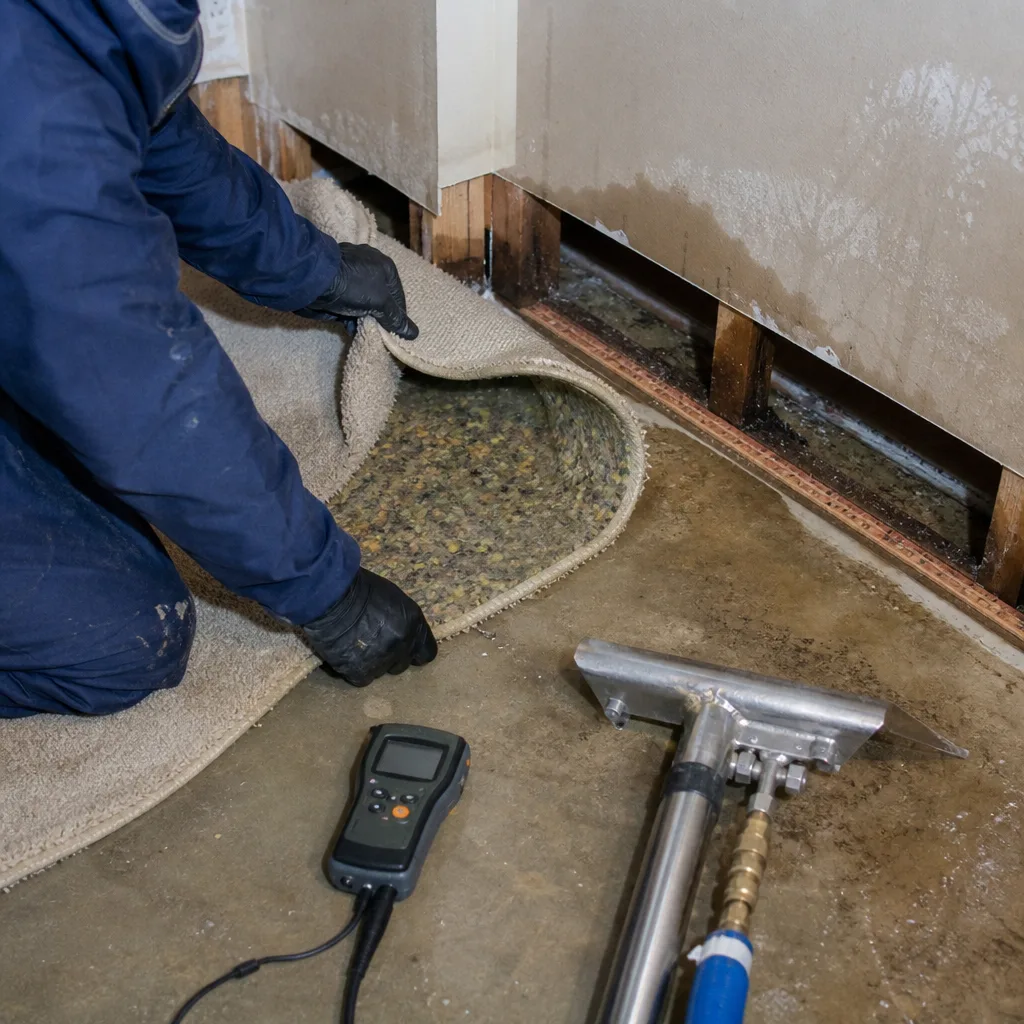
- Record moisture readings with a consumer-grade pin meter at the base of every wall within the water-affected area, plus one reading at the same height on an unaffected wall for baseline comparison. Document the meter brand and model - we use Delmhorst and Protimeter units calibrated to IICRC S500 standards, but any consistent device establishes a record. Note readings above 16% on wood framing or 1.0% on gypsum as indicating elevated moisture content requiring professional drying.
24-Hour Claim Documentation Package
Within one day, assemble: dated weather screenshots, entry-point photos with descriptions, moisture reading log by room, list of damaged contents with approximate age and replacement cost, and any emergency mitigation performed (towels, fans, dehumidifier rental). Email this package to your adjuster with read receipt - the timestamp matters.
We’ve reviewed hundreds of denied claims where the homeowner called a contractor first and documented second. Reverse that order. The water damage restoration work proceeds faster when the claim documentation is already complete, and DryMark Restoration Summerlin’s standard process includes photo records on every visit that supplement your initial documentation rather than replace it.
Professional mitigation should begin within 48 hours to prevent secondary mold growth - but the documentation clock runs independently and starts at minute one.
HVAC Transition Risk: October and March
Summerlin’s two-season HVAC usage pattern - continuous cooling from May through September, then heating from November through March with brief shoulder periods - creates a distinctive failure mode we see twice yearly. In October, systems switch from cooling to heating after five months of condensate production that has loaded the evaporator pan with dust, algae, and biofilm. In March, the reverse transition occurs. Both moments stress the condensate drainage system at its most vulnerable.
The typical Summerlin home built 2000-2015 has a split system with the air handler in an attic space above the master bedroom or hallway. The primary condensate line runs to a roof gutter or exterior downspout; the secondary drain pan sits beneath the unit with its own drain line, often terminating at a visible exterior location as a code-required backup. When the primary line clogs - and it does, predictably, at transition - the secondary pan catches overflow. But that pan has its own failure modes: rust-through in older galvanized pans, cracked plastic in UV-exposed attic spaces, or dislodged drain lines from vibration.
We respond to 40-60 ceiling collapses annually in Summerlin from this exact sequence. The water volume is substantial: a 3-ton system produces 2.5-3.5 gallons of condensate daily in July humidity, and even in October’s drier air, a clogged line will overflow a 2-inch deep secondary pan within 48 hours of continuous operation.
Transition Inspection Points
- Primary condensate line flow test: Pour 2 gallons of water slowly into the evaporator pan while the system runs. Water should exit the primary drain within 3 minutes with no backup into the pan. If water rises in the pan, the line is obstructed - typically with a gelatinous algae mass that responds to enzymatic cleaner, not mechanical snaking alone.
- Secondary pan integrity: Visually inspect for rust blooms, cracks, or previous water staining. Fill the pan with 1 gallon of water and verify it drains completely through the secondary line within 5 minutes. Any standing water indicates a blocked or disconnected line.
- Vapor pressure differential check: The attic air handler creates negative pressure in the return plenum that can pull condensate backward out of the pan if the drain trap is dry or improperly vented. This is the “blow-by” moisture that stains ceilings with no apparent leak source - psychrometric data shows the trap needs 2-3 inches of standing water to maintain the seal against system airflow.
Professional condensate system cleaning and inspection in Summerlin: $180-$320. Ceiling repair after pan failure: $1,800-$4,500 plus mold remediation if the leak persisted undetected. See our Damage Restoration Cost Breakdown: The Summerlin Homeowner’s Reference for 2026 for fuller pricing context. We document every HVAC-related water loss with moisture readings, drying logs, and photo records to IICRC and RIA standards - the documentation package that keeps claims moving.
Winter Freeze Preparedness: December-February
Summerlin averages three to five nights below 32°F annually, typically in late December or January when a cold air mass drops south behind a Pacific trough. The number sounds trivial until you understand the construction vulnerability: desert-built homes rarely include the freeze protection standard in climates with predictable cold. Pipe insulation is absent from exterior walls, hose bibs lack frost-proof stems, and attic penetrations for plumbing vents create convection currents that expose PEX and copper runs to outside air.
The neighborhoods most affected in our experience are The Willows and The Arbors, where 1990s construction used copper distribution through exterior walls with minimal insulation, and The Ridges, where expansive hillside homes have extended pipe runs through unconditioned crawl spaces and garage ceiling cavities.
Exposed Pipe Inventory
Walk your home’s perimeter and interior with this checklist:
- Exterior hose bibs: Summerlin’s standard 1990s-2000s installation uses non-frost-proof sill cocks with the valve body inside the wall but the supply pipe exposed to exterior air through the mounting plate. A single hard freeze will split the copper body or the supply elbow. Replace with frost-proof models (Woodford, Prier, or equivalent) with the valve seat 10-12 inches inside the conditioned space, or install insulated covers rated to R-4 minimum for the three nights per year that matter.
- Exterior wall plumbing: Kitchen sinks on island peninsulas, powder rooms on garage walls, and laundry boxes on exterior walls are common Summerlin layouts. Open the cabinet doors during freeze warnings and run a pencil-thin stream from the hot tap - moving water resists freezing to approximately 20°F, well below our typical minimum.
- Attic and garage water heaters: Tank-style heaters in unconditioned spaces have cold inlet and hot outlet pipes that freeze before the tank itself, creating splits at the dielectric unions or flex connectors. Insulate the first 24 inches of both pipes with closed-cell foam sleeves, and verify the T&P discharge line drains to the exterior - not into a pan that will overflow if the valve opens from thermal expansion.
- Irrigation backflow preventers: These ASSE 1001 or 1020 devices sit above ground by code and contain brass bodies that crack at 28°F. Drain the irrigation system and wrap the backflow assembly with insulating tape, or install a heated enclosure if the device serves a year-round landscape.
Freeze Loss Documentation
If a freeze loss occurs, documentation determines whether your insurer covers the resulting water damage. Maintain a record of: the weather forecast you acted upon (screenshot NWS freeze warnings), any protective measures taken (photos of open cabinets, running taps, insulated bibs), and the exact time you discovered the leak. Insurers sometimes invoke the “reasonable care” clause - arguing the homeowner should have drained the system - and contemporaneous documentation of your preparation defeats that argument.
We’ve written scopes for freeze losses in Summerlin ranging from $2,400 for isolated pipe repair and cabinet drying to $47,000 for whole-house flooding from a second-floor split that ran undetected for six hours. In every case, the claims that closed fastest had photo documentation of the frozen pipe location, the split orientation, and the resulting water pattern - evidence that distinguishes freeze rupture from long-term corrosion failure.
Post-Event Inspection Log Template
The homeowners who navigate claims successfully keep a standardized log. We’ve refined this template through 12,000 restorations - it produces the documentation adjusters recognize and insurers accept. Use it after any water event, HVAC incident, or suspected envelope failure.
DryMark Restoration Summerlin - Homeowner Inspection Log
| Field | Entry Format | Example |
|---|---|---|
| Date and time of discovery | MM/DD/YYYY HH:MM | 07/14/2024 06:15 |
| Weather event description | NWS alert level, precipitation, wind | Severe thunderstorm warning, 2.3″ in 90 min, 58 mph gusts |
| Point(s) of water entry | Location, description, photo reference | Master bedroom north window, sill weep hole blocked, Photo 0714-001 through 004 |
| Affected rooms | Room name, approximate square footage | Master bedroom 240 sq ft, walk-in closet 64 sq ft |
| Moisture readings by room | Location, meter reading, baseline comparison | North wall base, 18.2% wood, vs. south wall 11.4% |
| Contents affected | Item, approximate age, replacement cost | Carpet 2019, $3,200; baseboard MDF, $180 |
| Emergency mitigation performed | Action, time, equipment used | 06:30 - towels to base of wall; 07:00 - shop vac extraction, 8 gallons; 07:30 - two box fans positioned |
| Professional contact | Company, time called, arrival time | DryMark Restoration Summerlin, 07:45, arrived 09:30 |
| Photo record reference | Total count, storage location | 47 images, Google Drive folder “2024-07-14 Water Event” |
Store this log in cloud storage with automatic backup - not solely on a phone that may be damaged or replaced. Share access with your insurance agent so documentation exists even if your home is temporarily uninhabitable.
Our crews complete a parallel professional log on every visit: psychrometric data including temperature, relative humidity, and vapor pressure differential; daily moisture content readings by room and material; equipment placement maps showing Dri-Eaz and Phoenix dehumidifier positions with CFM calculations; and photo records with reference numbers matching your homeowner log. The two documents together form a complete claim file that we’ve never seen successfully disputed.
Year-Round Maintenance Schedule
Summerlin’s damage calendar doesn’t align with conventional seasons. This schedule reflects the actual risk pattern we’ve documented since 2011:
March: HVAC Cooling Startup
Schedule condensate system cleaning before first sustained operation. Replace return air filters (MERV 8 minimum, MERV 11 for allergy-sensitive households). Verify thermostat programming avoids simultaneous heating and cooling calls that stress the reversing valve on heat pump systems common in The Trails and The Cliffs.
May-June: Pre-Monsoon Preparation
Complete the checklist in Section 1. Order any needed repairs with completion target of June 15 - the monsoon typically establishes between June 25 and July 10. Verify homeowner’s insurance declaration page includes “sudden and accidental” water damage coverage; some Summerlin policies written for out-of-state transferees carry desert-specific exclusions.
July-September: Monsoon Vigilance
Inspect flat roof drains after every significant storm event - debris accumulates incrementally, not all at once. Monitor interior walls below roof drains and window installations for discoloration. Run the inspection log protocol for any suspected intrusion, no matter how minor; cumulative documentation supports later claims if damage develops progressively.
October: HVAC Heating Transition
Repeat condensate inspection with heating system startup. Verify combustion venting on gas furnaces - Summerlin’s tight construction and negative pressure from exhaust fans create backdraft conditions we document annually. Test smoke and CO detectors with dated log entry.
December-January: Freeze Preparedness
Install hose bib covers before first NWS freeze watch. Identify and protect exposed pipe runs. Maintain 7-day weather alert subscription for freeze warnings - the lead time is typically 48-72 hours, sufficient for protective measures.
Year-Round: Documentation Discipline
Photograph your home’s condition quarterly: roof drainage, window and door seals, visible plumbing, HVAC equipment. Date-stamped “before” images accelerate any future claim by establishing pre-loss condition. Store with your inspection log.
Common Mistakes to Avoid
- Assuming desert dryness prevents mold. Summerlin’s relative humidity spikes to 60-70% during monsoon events, and interior spaces with water intrusion can sustain mold growth at 60% RH within 48 hours. We’ve remediated mold in homes where the homeowner delayed response because “it’s so dry here.” Desert climate does not mean dry building cavities.
- Cleaning weep holes with wire or metal tools. The aluminum window frames common in Summerlin construction have thin-wall weep channels that deform under metal probing. Use plastic weed whacker line or compressed air at controlled pressure - the repair for a crushed channel is window replacement, not a simple fix.
- Running HVAC with a known condensate blockage. The “it’s just a little water in the pan” rationalization leads to ceiling collapse. If you observe water in the secondary pan, the primary drain has failed - shut the system and call for service. The $180 cleaning prevents the $4,500 ceiling repair.
- Documenting only after calling a contractor. Insurers increasingly require homeowner-generated documentation of the discovery event. Your photos of the storm in progress, the initial water pattern, and the first moisture readings carry more weight than a contractor’s photos taken hours later, which may show altered conditions from emergency response.
- Ignoring stucco cracks narrower than 1/8 inch. Wind-driven monsoon rain penetrates cracks as narrow as 1/16 inch with sufficient pressure and duration. The standard for sealing is functional, not cosmetic - if water can pass, the crack requires attention regardless of visual significance.
- Assuming pipe insulation is present in exterior walls. Summerlin construction from the 1990s through mid-2000s frequently omitted pipe insulation in exterior walls, relying on wall cavity air temperature and the thermal mass of stucco. This fails during freeze events. Verify by removing an escutcheon plate at a hose bib or exterior wall fixture - if you see bare copper or PEX, add insulation before the next freeze warning.
- Accepting verbal estimates for restoration work. Haven Standard, Clause 1 exists because verbal pricing invites scope creep and claim disputes. Every restoration estimate should be written, itemized, and signed before work begins - including emergency services. We provide this as standard practice; if a competitor will not, that is information worth acting upon.
When to Call a Professional
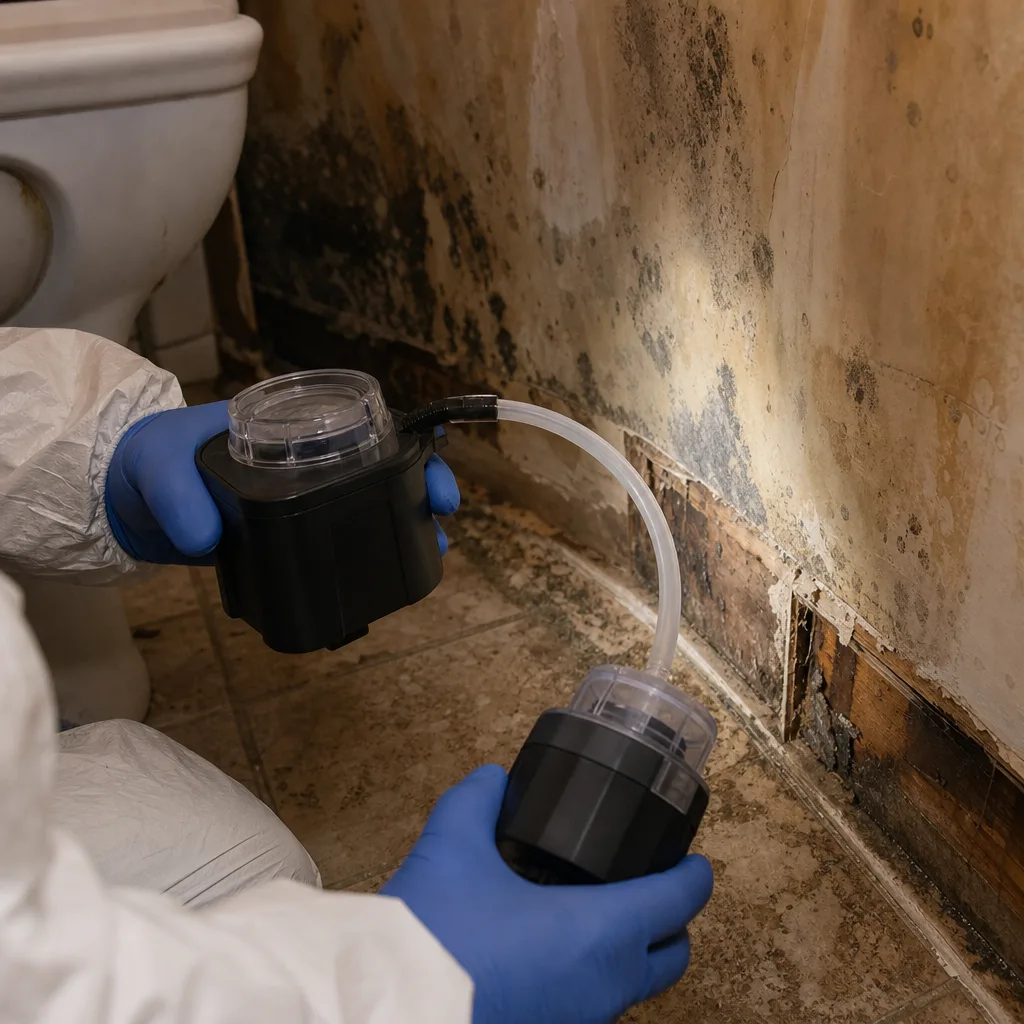
Call for professional assessment when: water has affected drywall or insulation (surface drying with fans is insufficient for cavity moisture); you smell musty odor indicating hidden mold growth; the water source is Category 2 or 3 (gray water from appliances, black water from sewage or ground flooding); or the affected area exceeds 25 square feet and involves multiple rooms. Electrical outlets or switches within the water pattern require immediate power disconnection and professional evaluation - energized water contact is lethal, and Summerlin’s 120V residential service delivers sufficient current to cause cardiac arrest.
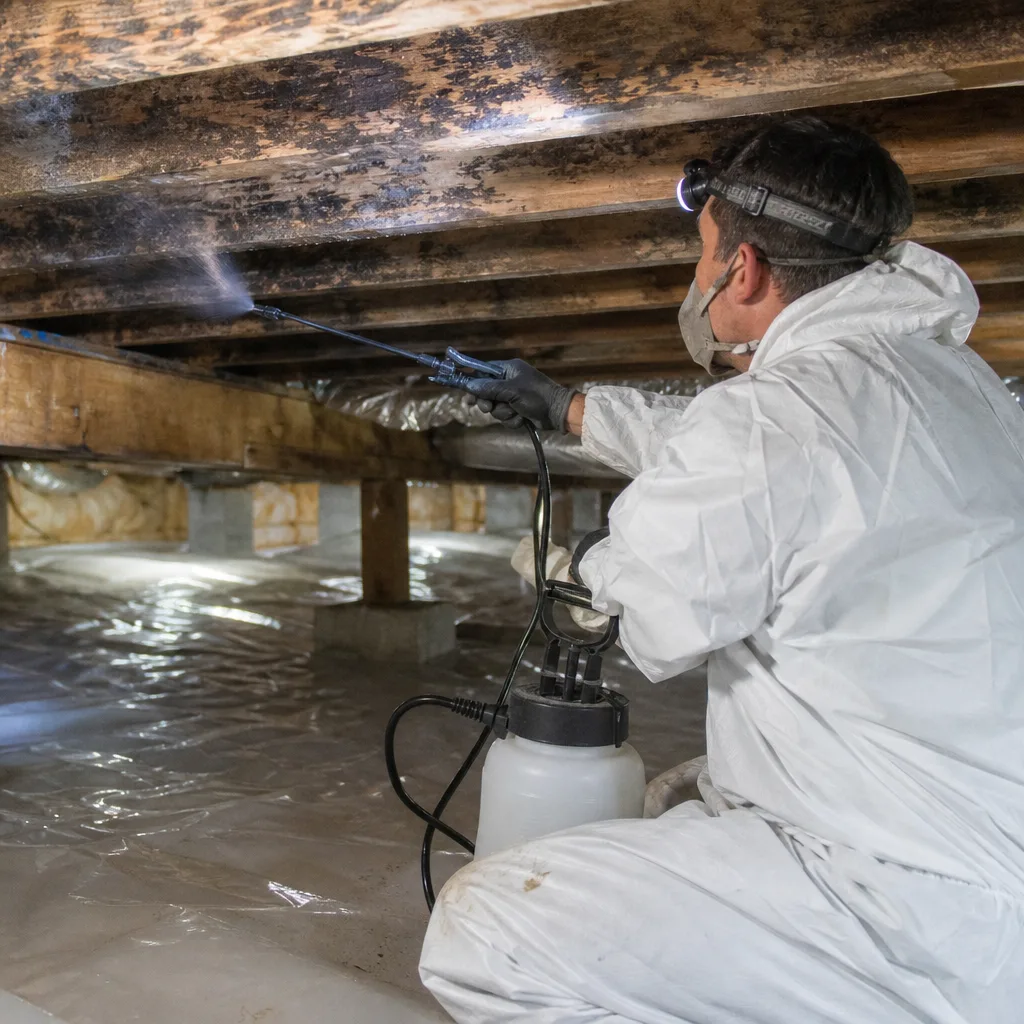
For mold remediation in Summerlin, professional intervention is indicated when visible growth exceeds 10 square feet, when HVAC systems are involved, or when occupants have respiratory conditions. We do not recommend homeowner disturbance of visible mold - the mechanical action of cleaning releases spores at concentrations that can trigger sensitization.
DryMark Restoration Summerlin offers free estimates in Summerlin - call (725) 216-2692. Every estimate is delivered in writing before work begins, with no scope-creep additions once our crew is inside your home. We also provide free second opinions on any competitor’s written estimate, a service we’ve offered since 2011 because accurate documentation matters more than which company performed the initial assessment.
Frequently Asked Questions
Water damage restoration in Summerlin typically ranges from $2,800 for contained Class 1 losses affecting a single room with clean water, to $12,000-$18,000 for Class 3 or 4 losses with ceiling involvement, contaminated water, or structural drying requirements. Every DryMark Restoration Summerlin estimate is itemized in writing before work begins under Haven Standard, Clause 1 - call (725) 216-2692 for a specific scope and price.
Standard HO-3 policies cover “sudden and accidental” water damage from storm intrusion through the building envelope, but deny claims reclassified as “long-term leakage” or “maintenance neglect.” The difference is documentation: timestamped photos of the storm event, entry points, and initial moisture readings prove sudden loss. We document every restoration to IICRC and RIA standards, producing the daily drying logs and photo records that support payable claims. Bring your adjuster’s contact information when you call - we coordinate directly when authorized.
Live phone coverage is available 24 hours a day, 7 days a week with no voicemail on emergency lines - a person answers every call. For active water losses with ongoing intrusion or Category 2/3 contamination, we typically deploy within 2-4 hours in Summerlin proper. Response time for assessment-only calls is usually same-day during business hours. The critical factor is your documentation: begin the inspection log immediately, before our arrival, to preserve the claim timeline.
Visible mold growth under 10 square feet on a hard, non-porous surface may be addressed with HEPA vacuuming and antimicrobial treatment by a homeowner wearing N-95 respiratory protection. Growth on porous materials (drywall, carpet, insulation), growth exceeding 10 square feet, or any growth associated with HVAC systems requires professional remediation to IICRC S520 standards. We provide mold remediation in Summerlin with containment, negative air pressure, and post-remediation verification sampling - the documentation package insurers expect for claim coverage.
Maintain: dated weather forecasts and freeze warnings; photos of protective measures taken (insulated bibs, open cabinets, running taps); the time and manner of discovery; initial photos of the frozen pipe and resulting water pattern; and all professional restoration documentation including moisture logs, drying records, and photo references. The “reasonable care” clause in many policies requires evidence that you attempted prevention - contemporaneous documentation defeats denial on that basis.
If any restoration work we perform requires correction within 365 days, we return and make it right at no additional cost - a written guarantee under The Haven Standard, not a verbal assurance. This applies to drying performance, reconstruction finish, and odor resolution. The promise is stamped on every job file, not offered as a marketing incentive. We’ve honored it 23 times since 2011, always with written documentation of the original scope and the corrective action taken.
The Bottom Line
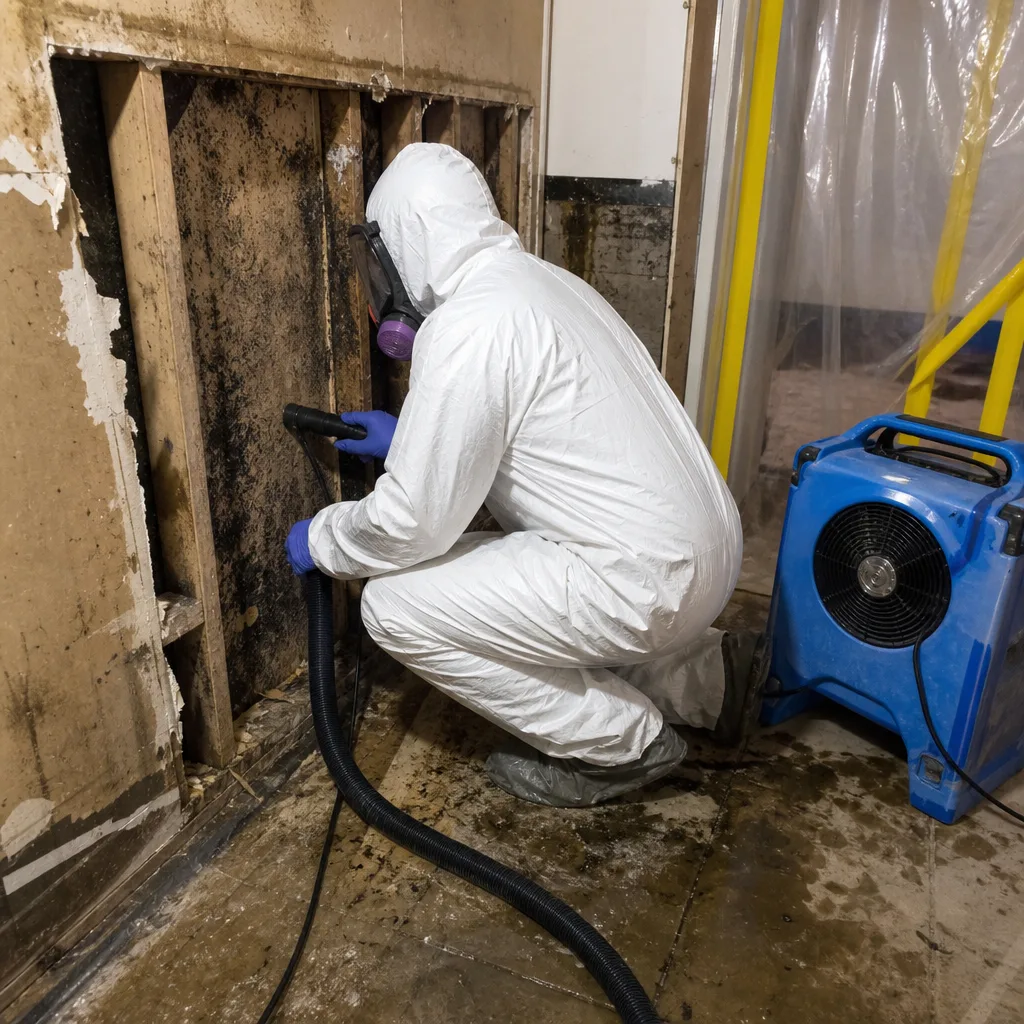
Summerlin’s year-round damage calendar centers on three events: monsoon water load concentrated in 90 days, HVAC transition stress in October and March, and the three to five freeze nights that expose construction vulnerabilities in a desert-built home. Preparation is specific and measurable - drain flow rates, crack widths, weep hole clearances, condensate pan integrity - not generic seasonal advice. Documentation is the variable that determines whether a loss becomes a paid claim or a denied dispute: dated photos, moisture readings, weather records, and professional drying logs to IICRC, RIA, and IFA standards. The homeowners who fare best treat their home’s envelope as a system requiring scheduled inspection, maintain a standardized log, and select restoration partners who deliver written prices before work begins and photo records on every visit. Explore more guides & resources for year-round protection.
Call (725) 216-2692 for a free estimate, a free second opinion on any competitor’s written estimate, or to schedule pre-season inspection. Every estimate is delivered in writing before work begins. Every job carries the 365-Day Done Right Promise under The Haven Standard. And every visit produces the documented photo record that turns restoration invoices into claims insurers pay.
Written by Alicia Brennan, Owner at DryMark Restoration Summerlin, serving Summerlin since 2011.